A guy brought his F-250 into the shop last week. The brake lines were rusted through, and he wanted me to patch them with compression fittings instead of replacing the whole line. I told him flat out: “I’m not doing that—it’s a safety hazard for you and for me.” That conversation reminded me why **safety for auto repair shops** isn’t just a checkbox—it’s the difference between driving home at the end of the day or not. My grandfather taught me that 40 years ago, and it’s still the first thing I drill into every new apprentice who walks through the door.
If you run a shop or work in one, you already know the basics: don’t smoke near gas, use jack stands, wear safety glasses. But the real safety habits go deeper. In this article, I’ll share what I’ve learned from three generations of turning wrenches—and from keeping a small ranch running on the side, where the stakes are just as high.
Why Safety for Auto Repair Shops Matters More Than Ever
Every year, I see more complicated cars rolling into the bay. Hybrid high-voltage systems, advanced driver aids, and aluminum body panels change how you work. But the old dangers—fire, falls, crushing injuries—haven’t gone away. In fact, the National Institute for Occupational Safety and Health (NIOSH) reports that mechanics have one of the highest nonfatal injury rates among occupations. That’s not a stat I made up; it’s from a 2022 data brief. The point is: **safety for auto repair shops** has to evolve with the technology.
One thing that hasn’t changed: the importance of a clean floor. I know a guy who slipped on a puddle of power-steering fluid and broke his wrist. A simple cleanup would have saved him six weeks of work. That’s why I make my crew sweep spills immediately and keep a box of absorbent clay near every lift. It costs pennies compared to a doctor visit.
The Five Cornerstones of Shop Safety
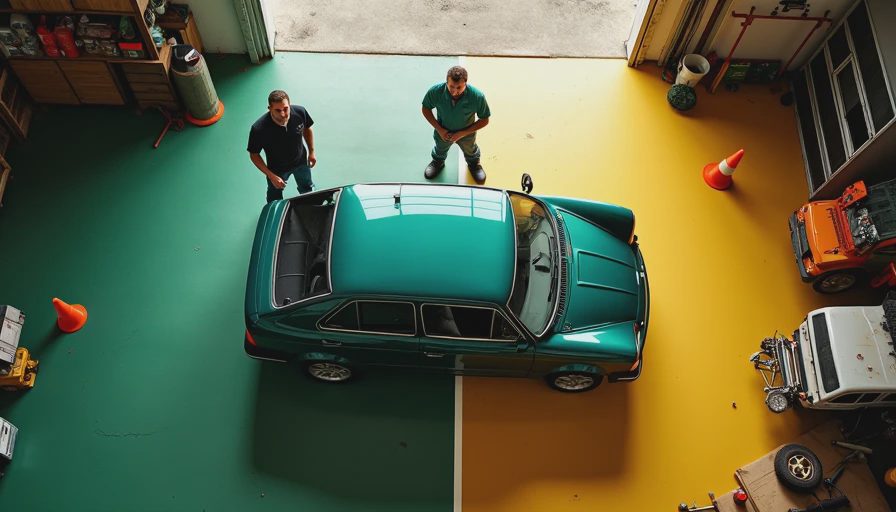
Over the years, I’ve boiled down safety to five non-negotiable areas. These cover 90% of the incidents I’ve seen or heard about.
**1. Lifting and jacking.** Never trust a jack alone. Use jack stands rated for the vehicle’s weight. I prefer the steel stands with a wide base—brands like Hein-Werner or OTC. A guy I know lost a truck off a floor jack because he was in a hurry. Lucky he wasn’t under it. Shop Trick: after you set the stands, give the vehicle a hard shake before you crawl under. If it wobbles, reset.
**2. Fire prevention.** Brake cleaner, gasoline, and battery sparks don’t mix. Keep a 20-lb ABC fire extinguisher within reach of every bay—not just one on the wall. I’ve put out a small fire with a dry-chem extinguisher more than once. Test the extinguishers monthly.
**3. Personal protective equipment (PPE).** Safety glasses at all times. Gloves for chemicals (I like the gray nitrile gloves from 3M). And earplugs if you’re using impact guns or air hammers all day. Hearing loss sneaks up on you.
**4. Electrical and hybrid safety.** High-voltage systems in hybrids and EVs require insulated gloves and a dedicated lockout procedure. If your shop doesn’t have a high-voltage safety training program, get one. Don’t guess.
**5. Proper ventilation.** Ever had a headache after a day of brake jobs? That’s brake dust and solvent fumes. Run a garage exhaust system or use portable fans to pull air out. Carbon monoxide from running engines is a silent killer—install a CO detector in the shop.
The Ranch Connection: Safety Lessons from the Farm
Out on the property, I work on tractors and UTVs that have their own dangers. A PTO shaft can grab a loose sleeve in a fraction of a second. I’ve learned that the same mindset that keeps you safe in the shop—slow down, think through the steps, never shortcut your own safety—applies exactly the same way.
One day I was fixing a hydraulic leak on a Massey Ferguson 135. The hose was under pressure, and I nearly took a face full of hot oil because I didn’t relieve the system first. That’s when I realized: whether it’s a car lift or a tractor, depressurize before you touch. That lesson came straight from my grandfather: “Expect everything to be hot, heavy, or under pressure until you prove otherwise.” I’ve been telling that to my son, who helps out on weekends.
Shop Tricks from My Grandfather
My grandfather had a way of turning safety into habit. He’d make us wipe down every tool before putting it back, not because he was a neat freak, but because grease hides damage. A cracked socket can shatter under load. He’d also tape a spare fire extinguisher to the loft ladder—so you had one at both levels. I still do that. Shop Trick: keep a small flashlight and a pair of cut-resistant gloves in your pocket at all times. If you drop a bolt into an awkward spot, you can retrieve it without sticking your hand into a dark pinch point.
Another trick: before you start any job that involves brake fluid or coolant, put cardboard under the car. Not just for cleanup—if you see a new leak after the repair, you’ll spot it immediately. That simple habit has saved me from sending a car out with a weeping caliper twice in the last year.
Common Safety Mistakes I See in Auto Repair Shops
I visit other shops for parts runs and the occasional coffee-and-bs session. Here’s what I see too often:
- **Using the wrong jack stands.** Those little 3-ton stands might hold a compact car, but they’re not meant for a lifted 4x4. Always go a size up.
- **Leaving the key in the ignition.** I’ve seen a car fall off a lift because someone bumped the starter and the transmission was in gear. Take the key out. Put it in your pocket.
- **Skipping gloves for air tools.** Impact wrenches get hot, and sharp edges on brake rotors will cut through cheap gloves. Use a good pair of leather-palmed gloves for heavy work.
- **Not having a first aid kit within reach.** I keep a trauma kit in my toolbox and a smaller one by the phone. A few bandages won’t hack the real thing.
Final Thoughts: Build a Safety Culture
**Safety for auto repair shops** isn’t a one-time training or a poster on the wall. It’s a daily habit. Start your morning by walking the shop, checking for hazards, and reminding your crew to speak up if they see something risky. My grandfather used to say, “A shop that’s safe is a shop that stays open.” He was right. If you’re not sure about a procedure or a tool, take it to a pro or look it up. No shame in that.
And if you’re reading this and you work alone in your home garage, the same rules apply. Invest in a good set of jack stands, a fire extinguisher, and a CO detector. It’s cheaper than an emergency room visit. I’ve been doing this for 22 years, and I’ve never regretted taking an extra five minutes to be safe.
Stay safe out there, and keep your hands clean—mostly.