A guy brought in his tractor last week—a 2015 Kubota L3901 that sounded like it was eating gravel. Turned out the owner hadn't changed the hydraulic filter in two seasons. That's a $50 filter job that turned into a $1,200 pump replacement. That's what happens when you skip the **preventive maintenance of farm tools and equipment**. I've run a shop for thirty years and kept my own ranch equipment going just as long. My grandfather taught me this trick: treat every piece of equipment like it has to start at five in the morning, because out here, it does.
Why Preventive Maintenance Matters More Than You Think
Farm tools and equipment take a beating—dirt, moisture, vibration, long idle periods followed by heavy use. A good **preventive maintenance of farm tools and equipment** routine is the difference between a tool that lasts twenty years and one that dies in five. I've seen a $300 chainsaw outlast a $800 model simply because the owner cleaned the air filter and kept the chain sharp. Same with tractors. A simple oil change every 100 hours can extend engine life by thousands of hours. According to equipment dealers I work with, regular maintenance cuts overall ownership costs by 30 to 40 percent. That's real money when you're looking at a $40,000 compact tractor.
Daily Checks That Save You Thousands
Before you fire up any engine or grab a power tool, do a walk-around. I teach my son—who's learning the trade now—to check three things: fluids, belts, and tires. For tractors and UTVs, check the oil level, coolant reservoir, and hydraulic fluid. A leak the size of a dime can turn into a dry pump in ten minutes. For handheld tools like chainsaws and trimmers, check the chain tension and air filter. My dad used to say, "If you can't see daylight through the filter, it's time to clean it." That habit alone has saved me from at least a dozen burnt-up saw engines.
**Shop Trick:** Keep a spray bottle of diesel fuel and a brush near your workbench. A quick scrub on the underside of your mower deck after each use prevents rust and buildup. My grandfather taught me this trick—still works 40 years later.
Seasonal Servicing: What to Do and When
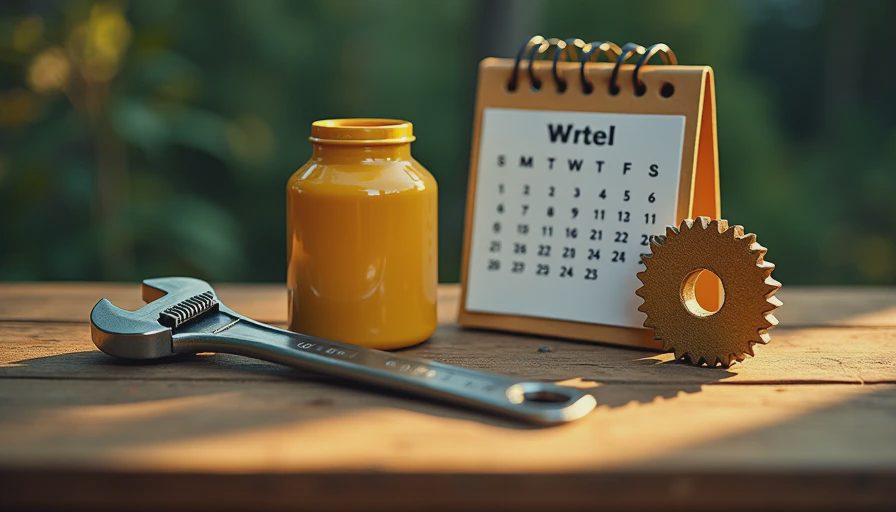
A proper **preventive maintenance of farm tools and equipment** schedule changes with the seasons. In spring, before planting, I flush the cooling system on my tractors and replace the coolant. Summer means I'm watching belt tension closely—heat stretches belts fast. Fall is for changing oil and filters before winter storage. And winter? That's for sharpening blades, greasing fittings, and checking battery health. I set phone reminders for each piece of equipment. For example, my John Deere 3032E gets a fuel filter change every spring and fall. That's four filters a year at $15 each—$60 total. A clogged injector repair is $400 minimum.
The Right Lubricants Make All the Difference
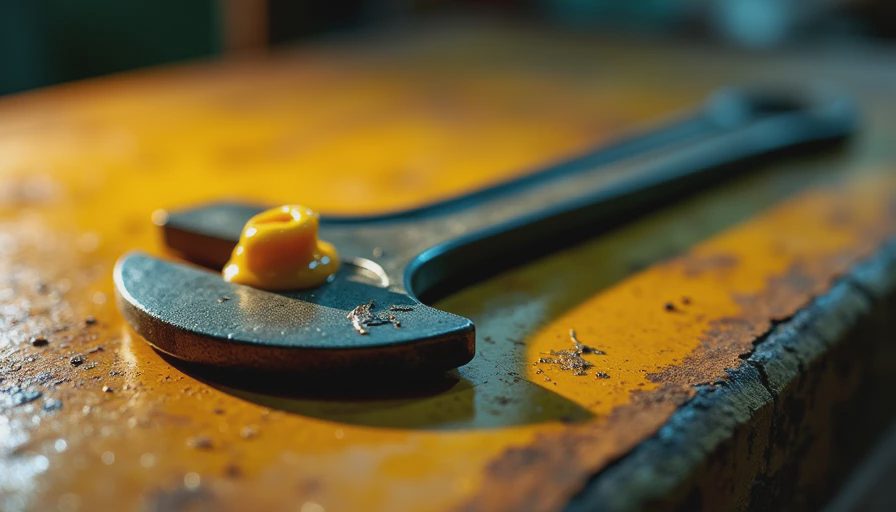
Not all grease is created equal. For high-speed bearings on a mower spindle, use a lithium-complex grease. For tractor loader pins, a moly-fortified grease handles the shock loads. I've seen guys use the same tube of general-purpose grease on everything. Then they wonder why their U-Joints fail in two years. A good **preventive maintenance of farm tools and equipment** plan includes matching the lubricant to the job. Spend the extra dollar per tube—it's cheaper than replacing parts. I buy Lucas or John Deere brand greases for most of my equipment, but Shell Gadus works just as well for budget builds.
Sharpening and Calibration – Don’t Overlook These
Dull tools waste fuel and time. A dull blade on a rotary cutter forces the tractor to work harder, burning more diesel. I sharpen my mower blades after every 10 hours of cutting. For pruners and loppers, a quick file pass every few uses keeps them clean. Calibration matters too—spreaders and sprayers need to be adjusted yearly to apply the right amount. An over-application of fertilizer wastes product and can burn pasture. An under-application means you're not controlling weeds. I calibrate my spreader in spring by running it over a tarp and weighing the output. Takes thirty minutes.
A Simple Maintenance Log System That Works
You don't need a fancy computer program. I use a spiral notebook and a grease pen. Write down the date, machine, hours, and what you did. For each major piece of equipment, I stick a laminated card in the toolbox with service intervals. That way, even if you're in a hurry, you don't skip the 100-hour hydraulic filter change. My uncle lost a $3,000 transmission because he forgot to change the fluid. A $20 notebook would have saved him the headache.
Bottom Line: It Pays to Stay on Top of It
Whether you're running a ranch or a backyard garden, setting up a solid **preventive maintenance of farm tools and equipment** routine keeps your machinery running longer and your wallet heavier. I've been doing this three generations now—I know what works. Start small: pick one tool or tractor and do a full inspection today. If you're not sure about something, take it to a pro. No shame in that. But the more you do yourself, the more you save. And that's money you can put toward the next piece of iron.
*– Luis Herrera, third-generation mechanic and rancher*