Last week, a guy brought his F-350 into the shop with a dead transmission. We had to pull the bed to get to it — and that's where having the right **fleet maintenance lifting tools** saved us hours. Whether you're running a busy auto shop or maintaining a few trucks and tractors on your ranch, the gear you use to lift heavy equipment makes or breaks your day.
Why the Right Lifting Tools Matter for Your Fleet
Lifting heavy vehicles and equipment isn't something you can cut corners on. A proper set of **fleet maintenance lifting tools** lets you work faster, safer, and with less strain on your body. I've seen shops try to get by with a single floor jack and pair of jack stands — and they end up wrestling with jobs that should take half the time. When you're working on multiple vehicles or machinery, reliability matters. A bent jack handle or a leaky hydraulic seal can sideline your whole operation.
My grandfather taught me this trick — still works 40 years later: invest in lifting gear rated for at least one-and-a-half times the heaviest load you'll lift. That means if you've got a 10,000-pound truck, get a 15,000-pound jack and stands. The extra margin keeps you safe and the gear lasts longer.
Types of Fleet Maintenance Lifting Tools
Let's break down the main categories you'll likely need in a shop or ranch setting:
- **Floor jacks:** The workhorse. Look for low-profile, high-lift models from brands like Hein-Werner or Arcan. Expect to pay $150–$800 for a quality unit.
- **Jack stands:** Never skip these. I only buy steel, pin-lock stands with wide bases. (Shop Trick: check the welds and pins every month.)
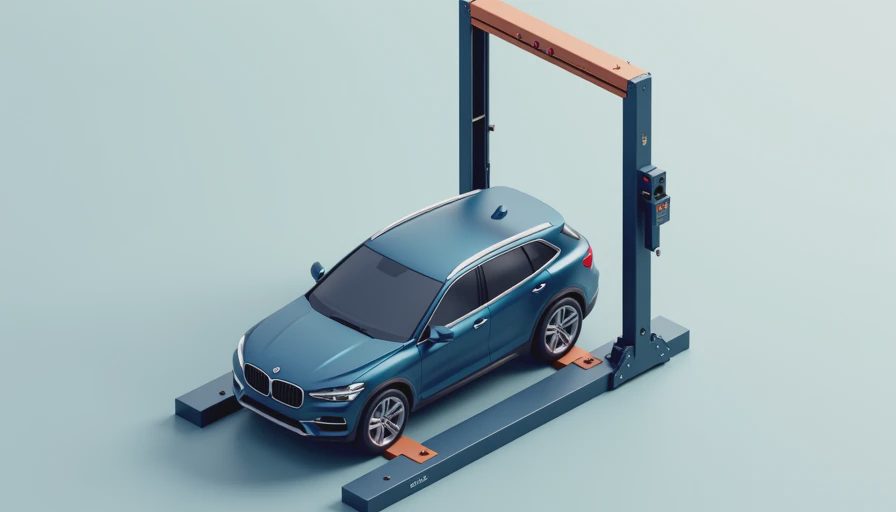
- **Two-post lifts:** Great for routine oil changes and brake jobs. BendPak and Rotary are the gold standard. Budget $2,500–$5,000.
- **Portable cranes and engine hoists:** When you need to yank a transmission or engine. The Harbor Freight 2-ton folding crane has saved my back more times than I can count — about $250.
- **Motorcycle/ATV lifts:** For the ranch side, a pneumatic lift table (like the Pit Posse brand) makes UTV work a breeze.
Each of these **fleet maintenance lifting tools** fills a specific need. Don't buy everything at once — start with the gear that matches your most common jobs.
Shop Trick: How to Extend the Life of Your Lifting Equipment
Three things kill lifting gear: rust, dirt, and bad hydraulic fluid. I keep my jacks and lifts covered when not in use — the San Antonio humidity is brutal. Every few months, I clean the piston rods with a rag and apply a thin coat of hydraulic oil. Check the fluid level in your floor jack; if it's low, top it off with the right oil (generally AW32 or ATF, check the manual).
A guy brought his tractor trailer in last month with a stuck jack. Turns out he'd been storing it outside with the handle down. Rain got in, rusted the cylinder. A $200 jack turned into a paperweight. Don't be that guy.
Choosing the Best Fleet Maintenance Lifting Tools for Your Budget
You don't need to spend a fortune, but you also can't cheap out on safety. Here's how I prioritize:
- **Safety-critical items first:** Jack stands, good floor jack, and at least one quality two-post lift if you do a lot of under-vehicle work. Spend the money here.
- **Ergonomics:** A transmission jack or a low-profile oil drain pan isn't glamorous, but they keep your back healthy. Budget an extra $300–$500.
- **Versatility:** A foldable engine hoist can be used for everything from pulling engines to lifting hay bales on the ranch. Worth it.
Don't buy the cheapest options from unknown brands. Stick with names like OTC, Torin, or Sunex for mid-range reliability. Many of these **fleet maintenance lifting tools** come with warranties — register them.
Safety First: Lifting Tool Best Practices
Three generations in this shop have drilled these rules into me:
- Never work under a vehicle supported only by a jack. Always use jack stands.
- Inspect your lifting gear before each use. Look for cracks, leaks, or bent parts.
- Keep clear of the load. If something feels off, let it down and re-evaluate.
- Follow the weight ratings — and remember that farm equipment often has oddly shaped lift points.
My grandfather used to say, "A lift's only as safe as the guy using it." He'd be happy to know I still tell every new hire the same thing.
Final Thoughts
Whether you're pulling a transmission in a cramped bay or swapping a tractor tire in the pasture, having the right **fleet maintenance lifting tools** makes the job safer and faster. Start with the essentials, buy quality, and take care of your gear. Your back — and your wallet — will thank you.
If you're not sure which lifting tools fit your operation, talk to a pro or a trusted supplier. No shame in asking — better to ask than to get hurt.