Last month, a guy brought his F-150 in for a routine oil change and nearly took a header on a wet patch near the lift. That got me thinking about **auto repair shop safety** — and how easy it is to overlook until someone gets hurt. My grandfather used to say, "The job isn't done if someone doesn't walk out the same way they walked in." He was right. Whether you're running a two-bay shop or a full-service operation, making safety a priority keeps your people working and your doors open.
Why Auto Repair Shop Safety Matters for Your Bottom Line
Every accident costs money — workers' comp claims, lost billable hours, higher insurance premiums. A single serious injury can wipe out months of profit. I've seen shops close because they ignored basic **auto repair shop safety**. On the flip side, shops that invest in safety see fewer sick days, better morale, and lower turnover. A clean, organized shop also impresses customers. They trust you with their vehicles. Show them you take safety seriously.
Common Hazards and How to Address Them
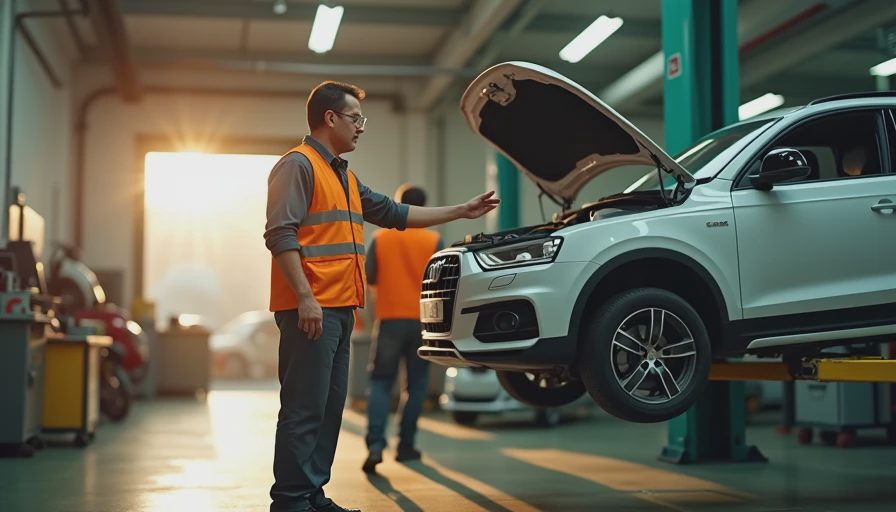
Let's walk through the biggest risks I've seen in 25 years. **Slips, trips, and falls** are number one. Oil, coolant, and grease on concrete are slick. We use oil-dry mats and require slip-resistant shoes. **Lift safety** is another big one. Never trust a lift without checking the locks first. A guy I know lost a transmission because a lift failed — lucky no one was under it. **Chemical exposure** is silent. Brake cleaner, degreasers, coolant — they all need proper ventilation. I installed a ceiling-mounted exhaust fan for $300 and it made a world of difference. **Fire hazards** from rags soaked in solvent or fuel are real. Store oily rags in a metal container. **Shop Trick:** My grandfather taught me to keep a five-gallon bucket of sand in the corner. It's cheap, never expires, and handles small fires better than a dry chemical extinguisher on certain spills.
Building a Safety Culture in Your Shop
Safety isn't a checklist — it's a habit. Start every Monday morning with a five-minute safety huddle. Talk about one topic: lift inspection, fire extinguisher locations, or proper jack stand placement. Make it routine. I also assign one tech per week as "safety lead" — they check that extinguishers are charged, that first aid kits are stocked, and that no one is using a damaged cord. It gives them ownership. And lead by example — if you skip wearing gloves or safety glasses, your team will too.

Practical Steps to Improve Auto Repair Shop Safety Today
Here's a quick list you can implement this week:
- **Walk the shop floor** — look for tripping hazards like air hoses or cords. Use overhead reels or cable covers.
- **Check your lifts** — inspect cables, locks, and pads. Schedule professional maintenance once a year.
- **Update your PPE station** — make sure gloves, glasses, and earplugs are within arm's reach.
- **Review your fire plan** — ensure extinguishers are accessible and that everyone knows how to use them.
- **Lockout/tagout** — if you work on equipment with stored energy, have a clear procedure. This one saved a buddy of mine from losing an arm.
**Auto repair shop safety** isn't something you do once. It's an ongoing effort. But the payoff is huge: fewer injuries, lower costs, and a team that trusts you.
Frequently Asked Questions About Shop Safety
**Q: How often should I inspect my shop's fire extinguishers?**
A: Check monthly — ensure pressure gauge is in the green, no physical damage, and the pin is intact. Have a professional inspect them annually. I keep a log on the inside of the extinguisher cabinet door.
**Q: What's the most overlooked safety item in most auto repair shops?**
A: Proper lighting. Dim bays lead to trips, misdiagnoses, and strain. I upgraded to LED overheads and added task lights at each bay. Cost about $400 but reduced near-misses significantly.
**Q: Do I need a written safety program?**
A: Yes, especially if you want to stay compliant and improve **auto repair shop safety**. OSHA requires it, and your workers' comp carrier may audit you. Start simple: a one-page policy that covers hazard communication, PPE, and emergency procedures. My shop uses a binder with sign-off sheets.
Final Thoughts
I've been in this business for over two decades, and the shops that survive are the ones that take care of their people. Safety isn't just a sign on the wall or a binder on a shelf. It's how you treat your team and your customers. If you're not sure where to start, ask your guys what bothers them. They'll tell you. Then fix it. That's the kind of shop I want to run — and the kind my grandfather would be proud of.
If you're serious about improving **auto repair shop safety**, start small. Pick one hazard this week and eliminate it. Your crew — and your bottom line — will thank you.