A guy brought in his F-250 last week complaining of a brake pull. While I had it up on the lift, I noticed his brake line was rubbing against a loose bracket—a fire waiting to happen. That close call reminded me why **repair shop safety** is the backbone of any good operation. My grandfather drilled it into me when I was sweeping floors at his shop in 1988, and I've seen too many shortcuts end badly. Whether you're running a shop in San Antonio or maintaining tractors out on the ranch, these repair shop safety practices can save you from injury, lawsuits, and downtime.
Why Repair Shop Safety Matters More Than Ever
Over the years, I've watched the industry change. Cars are more complex, shops are busier, and the margin for error keeps shrinking. But one thing hasn't changed: a safe shop is a profitable shop. When you cut corners on **repair shop safety**, you're not just risking a trip to the ER—you're risking your reputation and your livelihood. I've had customers walk because they saw an unsafe practice in the bay. Trust is hard to earn and easy to lose. Plus, OSHA fines can run into the thousands. Investing in proper safety gear and training pays for itself many times over.
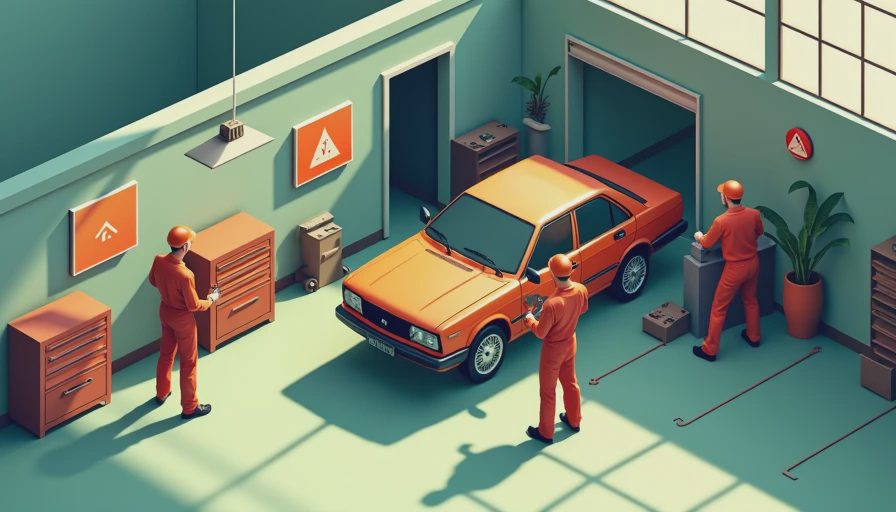
The Three Most Overlooked Safety Hazards in My Shop
After three decades in this business, I've noticed the same hazards pop up again and again. Here are the top three I see other shop owners ignore:
- **Improper jack and lift use.** I had a young tech last year use a floor jack without properly positioning the safety stands. The car dropped, and if it hadn't been on the frame, we'd have had a bad accident. Always use jack stands rated for at least 1.5 times the vehicle weight. My grandfather taught me this trick: "Set the stands, then give the car a solid shove—if it moves, it's not safe." Still works 40 years later.
- **Chemical storage and handling.** Brake cleaner, degreasers, and solvents create fire and inhalation risks. I keep all flammables in a locked metal cabinet, and we use a dedicated ventilation fan when spraying. A guy brought in his truck last month after a small fire started from a rag soaked in solvent left near a hot engine. That could have been much worse.
- **Cluttered walkways and bays.** I know, we're all busy. But oil spills, air hoses across the floor, and tools left out are trip hazards that send people to urgent care. We do a 10-minute cleanup every afternoon—pays off big time. Shop Trick: Keep a bucket of kitty litter in the corner to absorb any oil spills immediately.
Essential Safety Equipment Every Shop Needs
You don't need to spend a fortune, but there are non-negotiables. Here's my list:
- **Quality PPE:** Safety glasses, gloves, steel-toe boots. I buy 3M safety glasses by the case—they're cheap and comfortable. For hearing protection, I like the Howard Leight ear muffs. If you're doing any metal work, respirators are a must. I've seen too many guys blow off dust masks, then wonder why they're coughing.
- **Fire extinguishers:** You need at least one ABC-rated extinguisher in every bay, plus one near the office. Check the gauge monthly. My father once put out a small electrical fire with a dry chem unit—saved the whole shop.
- **Eye wash station:** A plumbed or portable station is required by OSHA for any shop using chemicals. We have a portable unit near the parts cleaner. Cost around $200, but it's worth it for peace of mind.
- **Lift safety locks:** Every vehicle lift should have functioning safety locks. Test them weekly. My grandfather insisted we check every Monday morning. He'd say, "A lift is a tool, not a toy. Treat it with respect."
Ranch-Worthy Safety Habits That Apply to Any Shop
Since I also run a small ranch, I've noticed that **repair shop safety** principles transfer directly to tractor and UTV maintenance. The same rules apply: wear gloves when handling heavy chains, never work under equipment supported by hydraulics alone, and always chock the wheels. On the ranch last fall, I had a UTV brake line blow while I was changing a tire. If I hadn't chocked both sides, that machine could have rolled right over me. The habits you build in the shop follow you everywhere. Don't let them slip.

When to Call a Pro for Safety Upgrades
Not every safety fix is a DIY project. If your shop's electrical system is old or overloaded, hire a licensed electrician. Same for installing new ventilation systems or fire suppression. I've seen a well-meaning owner try to add a 220V outlet for a compressor and almost burn the place down. Know your limits. If you're not sure, take it to a pro. No shame in that.
I also recommend an annual safety audit. Walk through your shop with fresh eyes or hire a third party. They'll spot things you've become blind to—like that extension cord running across the bay or the missing guard on a grinder.
Final Thoughts on Repair Shop Safety
I've been doing this long enough to know that **repair shop safety** isn't a one-time checklist. It's a daily habit, a mindset. My grandfather taught me that the best mechanics are the ones who go home in the same shape they arrived. That's still true today. Whether you're working on a car, a tractor, or a UTV, the same rules apply: take your time, use the right gear, and never compromise on safety. Your family—and your customers—are counting on you.
If you've got a safety tip that works in your shop, I'd love to hear about it. Drop by the blog or swing by the shop in San Antonio next time you're in the neighborhood. We'll grab a coffee, and I'll show you the safety upgrades we just made.