A guy brought in his truck last week saying the battery kept dying. I popped the hood and saw a mess of corroded terminals, a frayed alternator wire rubbing against the frame, and a cheap fuse tap dangling near the brake fluid reservoir. That’s when I reminded myself — and him — that **electrical safety in automotive garage** isn’t something you learn once and forget. It’s a habit you build. My grandfather taught me that lesson back in the 80s when he caught me poking a screwdriver into a live fuse block. He didn’t yell. He just sat me down and showed me what could happen. And he was right. Neglecting basic electrical safety can cost you a vehicle, a shop, or worse.
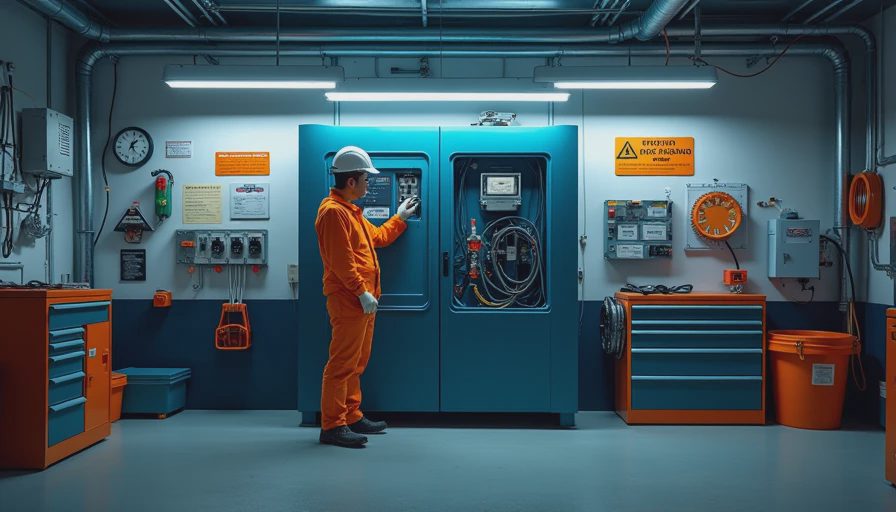
Why Electrical Safety Matters in Your Garage
Working on a modern car or tractor means dealing with high-voltage systems — hybrids can carry 300+ volts, and even a standard 12V system can spark a fire if you short it against the wrong metal. In an automotive garage, there are flammable fluids everywhere: gasoline, brake cleaner, oil. One errant spark can turn a routine repair into a catastrophe. That’s why **electrical safety in automotive garage** isn’t just about protecting yourself from shocks — it’s about preventing fires that could destroy everything.
For ranchers and small shop owners like me, the stakes are even higher. You might have a tractor battery sitting next to a can of diesel, or a UTV with exposed terminals after a muddy day. I've seen it happen: a buddy of mine lost a pole barn because a battery charger shorted out overnight. No one was hurt, but the equipment loss hurt. Take 10 minutes to review your shop’s electrical setup. It pays off.
Common Electrical Hazards in Auto Shops
Here are the three biggest risks I see every week:
- **Frayed or cracked insulation:** Battery cables, jumper leads, and extension cords all wear out. Heat, oil, and vibration break down the rubber over time. Once the copper shows, you’ve got a short waiting to happen.
- **Improper battery handling:** Topping off a battery with the engine running? That can create hydrogen gas. A spark from a loose connection can set it off. I always remove the negative terminal first and keep metal tools away.
- **Overloaded circuits:** An automotive garage pulls a lot of current — air compressors, welders, diagnostic machines, heat lamps. If your breaker panel is from the 80s (like mine was), it may not handle modern loads. Upgrading to a 200-amp service was one of the best investments I made.
Understanding these hazards is the foundation of **electrical safety in automotive garage** work. Once you know what to look for, you can fix it before it becomes a fire.

Essential Safety Equipment and Practices
You don’t need a hundred gadgets, but you do need the basics:
- **Insulated tools:** Screwdrivers, pliers, and cutters with rubber handles rated for at least 1000V. They’re cheap insurance.
- **Rubber mats:** Standing on a dry rubber mat while working on electrical systems reduces the path to ground. I keep one near every lift bay.
- **Battery disconnect switch:** Install one on each vehicle you’re working on. It isolates the battery instantly.
- **Class C fire extinguisher:** Rated for electrical fires. Mount it within arm’s reach of where you do electrical diagnostics.
- **The two-handed rule:** Never touch two different terminals or a terminal and ground with both hands. Use one hand to probe, keep the other in your pocket. That way, if you get a shock, the current won’t travel across your chest.
My grandfather taught me this trick: before touching any wire, tap the terminal with the back of your hand. If it’s live, your muscles contract and pull your hand away. Grab it with your palm and you might not let go. Still works 40 years later.
When to Call a Professional
Look, I’m a mechanic. I fix things. But I also know my limits. If a vehicle has a hybrid battery pack or you’re dealing with a commercial-grade welding system, call a licensed electrician or a specialist. Same goes for anything that involves opening up a breaker panel. **Electrical safety in automotive garage** means knowing when you’re out of your depth. No shame in that.
Final Thoughts
Whether you’re working on a classic Chevy truck or a modern diesel tractor, respecting electricity keeps you and your shop alive. I’ve seen too many close calls — and a couple of real fires. Don’t learn this lesson from a disaster. Take 20 minutes this week to check every wire, every plug, every battery terminal. Your grandfather would thank you.
*Keep your wrenches clean and your shop safer. Need a step-by-step guide for a specific topic? Drop me a comment below.*