A guy brought his F-150 into the shop last week complaining about a squeaky belt. I took one look at the serpentine belt and saw cracks you could fit a dime in. That belt was a classic example of a wear and tear part — something that wears out gradually from normal use. Unlike collision damage or a stolen catalytic converter, wear and tear parts aren't covered by your auto insurance. But keeping them in good shape is one of the best ways to prevent a breakdown or even an accident.
What Exactly Are Wear and Tear Parts?
Wear and tear parts are components that naturally degrade over time and with mileage. They're expected to be replaced periodically as part of routine maintenance. Common examples include brake pads, tires, belts, hoses, wiper blades, the battery, and filters. These parts have a finite lifespan and will eventually fail, no matter how well you drive. Your car's owner's manual has a maintenance schedule that tells you when to replace many of these items. Ignoring that schedule is asking for trouble — and it's trouble your insurance won't pay to fix.
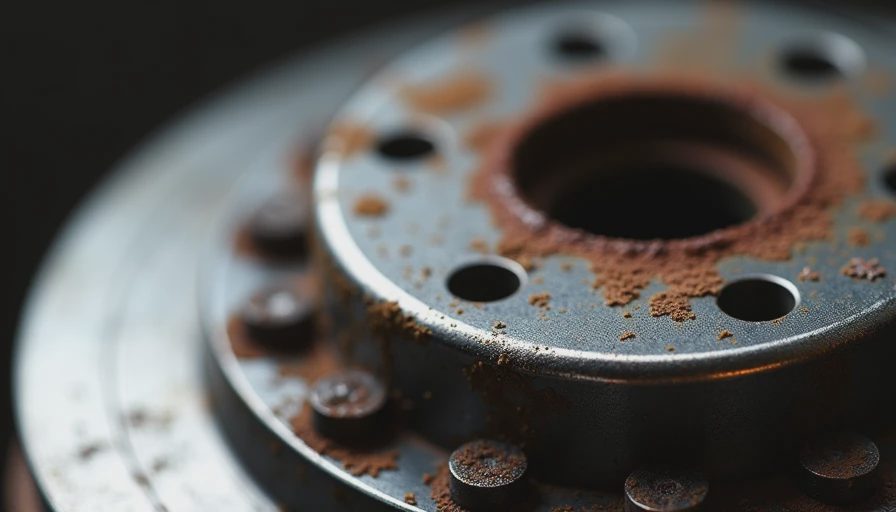
Why Insurance Doesn't Cover Wear and Tear Parts
Auto insurance is designed for sudden, accidental events — a crash, a hailstorm, a tree limb falling on your hood. It's not meant to pay for gradual deterioration from normal use. Think of it like your roof at home: if a storm rips it off, homeowners insurance covers it. If it simply gets older and starts leaking, that's maintenance, not a claim. The same logic applies to your car. Your comprehensive and collision coverage will pay for repairs after an accident, but they won't replace your worn-out brake pads or a battery that won't hold a charge. That's on you.
A lot of folks don't realize this until they have a breakdown and call their agent expecting help. My grandfather taught me this trick — tell your customers upfront what's covered and what's not. It saves a lot of frustration down the road. So if you're budgeting for car expenses, plan for wear and tear parts as a separate line item from your insurance premiums.
The Real Cost of Neglecting Wear and Tear Parts
Here's where it gets serious. Letting wear and tear parts go too long doesn't just increase your repair bill — it can lead to an accident. Worn brake pads mean longer stopping distances. Bald tires can hydroplane. A broken belt can leave you stranded on the highway. And if any of those failures cause a crash, your insurance will handle the claim — but your rates will go up, and you'll still pay your deductible. Plus, you could be liable if the accident hurts someone else.
I've seen a simple $50 belt replacement turn into a $2,000 engine repair because the belt snapped and wrapped around the crankshaft pulley. That's not an exaggeration. Spending a little on wear and tear parts now can save you a lot later. It's the same mindset I use on my ranch: you don't wait for a fence to fall down before you fix a loose post. You keep ahead of it.
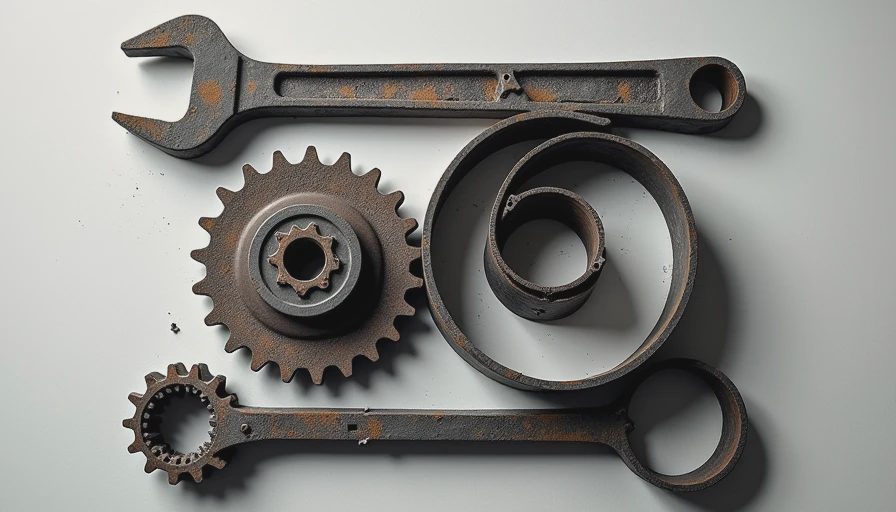
Shop Trick: How to Spot Worn Parts Before They Fail
My grandfather taught me this trick — still works 40 years later. Every time you check your oil, take a quick look at the belts and hoses under the hood. Press your thumb into a hose: if it feels mushy or you see cracks on the surface, it's time to replace it. For belts, run your finger along the ribbed side. If you see tiny cracks or the belt feels glazed and hard, don't wait. Also check for fraying edges. Brake pads are easy too: look through the spokes of your wheel and you can often see the outer pad. If it's less than a quarter-inch thick, you're due for new pads. A flashlight and 30 seconds can save you a tow truck bill.
When to Replace Common Wear and Tear Parts
There's no one-size-fits-all schedule because driving conditions matter. But here are general guidelines I share with my customers:
- Brake pads: Every 25,000 to 70,000 miles depending on driving habits.
- Tires: Replace when tread depth reaches 2/32 of an inch or every 6 years, whichever comes first.
- Serpentine belt: Every 60,000 to 100,000 miles. Inspect annually.
- Hoses: Every 4 to 5 years. Cracks or bulges mean replace now.
- Battery: Every 3 to 5 years. If it cranks slowly in the morning, test it.
- Wiper blades: Every 6 to 12 months. If they streak, swap them.
- Air filter: Every 15,000 to 30,000 miles. More often if you drive on dusty roads.
Checking these items regularly is the best way to avoid surprises. Your car's owner's manual has the specific intervals for your make and model. If you're not sure, take it to a pro. No shame in that.
Keep Your Car Reliable and Your Insurance Claims Low
Wear and tear parts aren't glamorous, but they keep your car safe and dependable. By staying on top of maintenance, you reduce the chance of a breakdown that could cause an accident — and that means fewer claims and lower insurance costs over time. Plus, a well-maintained car is worth more when you trade it in. So next time you change the oil, give those belts and hoses a quick look. Your wallet will thank you.