A guy brought in his truck last week and, while we were talking, he mentioned his compact tractor would not start after sitting through a cold snap. That happens more than folks think. Good winter tractor storage maintenance is not fancy, but it does save batteries, injectors, tires, and a whole lot of frustration. Around our shop and out at my place, I treat storage like part of the service schedule, not an afterthought. If you put a tractor away dirty, low on fuel treatment, and with a weak battery, spring is going to collect the bill.
Start With a Clean Machine and a Real Inspection
Before a tractor goes into storage, wash it well enough that you can actually see what condition it is in. Caked mud around the axle housings, mower deck, step area, and drawbar traps moisture and hides leaks. I like to blow out chaff around the radiator screen, engine bay, and under the hood because dry debris plus electrical heat is a bad combination. While the machine is clean, inspect hydraulic hoses for cracks, rodent-chewed wiring, loose battery terminals, and any wet spots near seals, filters, or the water pump.
This is also the right time to grease every fitting the manual calls for. Fresh grease pushes out moisture and protects pins and joints while the machine sits. Check the air filter and cabin filter if your tractor has one. If the air filter is loaded with dust, replace it now instead of fighting poor running later.
Shop Trick: My grandfather taught me this trick — still works 40 years later. After washing, run the tractor long enough to dry belts, pulleys, and electrical connections before parking it for good. Storing it wet invites rust and corrosion.
Fuel, Oil, and Coolant Matter More Than Most People Think
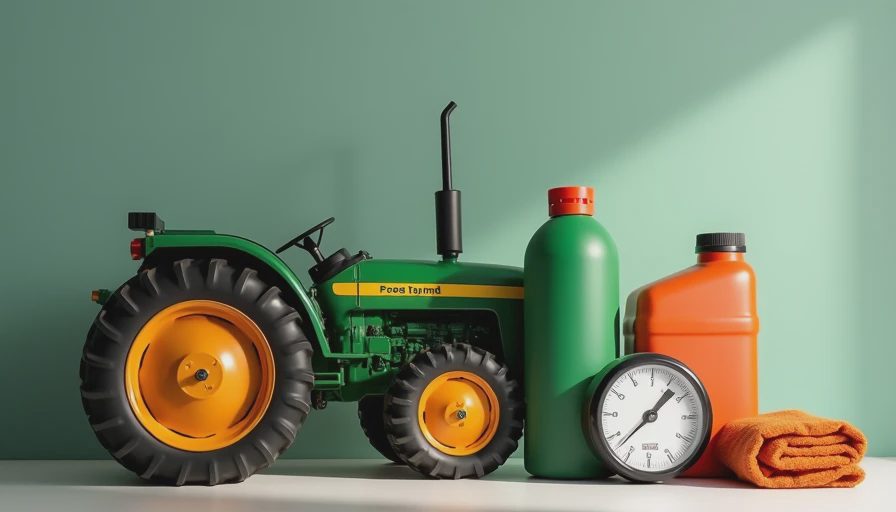
A lot of winter tractor storage maintenance comes down to fluids. On diesel tractors, untreated fuel can degrade and collect moisture during storage. Add a quality diesel stabilizer before the final run, then top off the tank to reduce condensation space. That last part is simple but important. A fuller tank gives moisture less room to form, which helps protect injectors and fuel system parts.
If your engine oil is due soon, change it before storage, not after. Used oil carries contaminants from combustion, and leaving that inside the crankcase for months is not doing bearings or internal surfaces any favors. Check hydraulic fluid and transmission fluid levels too, especially on compact and utility tractors that share fluid between systems. Low fluid can expose a leak you want to catch before spring work starts.
Coolant deserves special attention. Make sure it has the right freeze protection and is in serviceable condition. If you do not know how to test it, take it to a pro. No shame in that. Freeze damage is expensive and completely avoidable.
Protect the Battery, Tires, and Weather-Exposed Parts
Most no-start storage complaints I see are battery related. Clean the terminals, make sure connections are tight, and use a battery maintainer if the tractor will sit for more than a few weeks. If shore power is not practical, at least disconnect the negative terminal on older machines with parasitic draw concerns. A fully charged battery tolerates cold much better than a half-dead one.
Tires are another overlooked item in winter tractor storage maintenance. Set pressure to the manufacturer recommendation and look for weather cracking or a slow leak. If a tractor is going to sit a long time, moving it a few feet every so often can help prevent flat spotting, especially on lighter compact units. On dirt floors, I prefer parking on boards or a concrete pad to keep moisture from working on the tires and lower metal parts.
Spray exposed linkages and bare metal with a light protectant. Cover the seat if the tractor is stored in an open shed. Sun, moisture, and mice can ruin a seat faster than fieldwork can.
Choose the Right Storage Spot and Keep Critters Out
The best storage location is dry, ventilated, and covered. Fully enclosed is great, but even a three-sided barn beats leaving a tractor under a cheap tarp that traps moisture. If you do use a cover, make sure it breathes and does not cinch so tight that it holds condensation against the machine.
Rodents are rough on farm equipment. I have seen nests in air boxes, under dash panels, and near exhaust manifolds. That turns into chewed wiring, blocked airflow, and in some cases a fire risk. Clean out food wrappers, seed sacks, and anything else that makes the tractor area inviting. Check around the battery box, cowl, and engine compartment before startup after storage.
If the tractor is parked with attachments, lower loaders, buckets, and three-point implements to the ground. That is basic safety and takes pressure off the hydraulic system. Set the parking brake only if the manual supports it for long storage; on some machines, wheel chocks are the better option to avoid brake sticking.
Use a Simple Spring-Ready Checklist Before You Walk Away
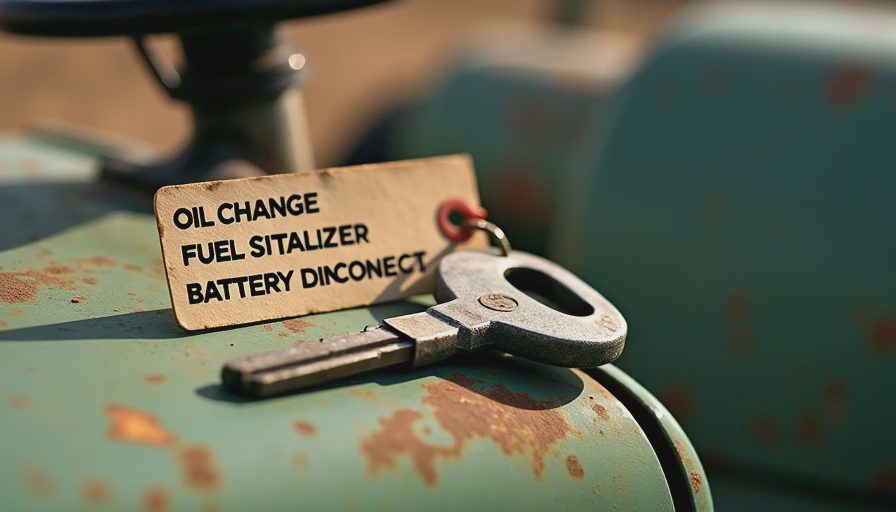
The best winter tractor storage maintenance plan is one you will actually follow every year. Mine is simple: clean it, grease it, stabilize the fuel, top off the tank, check freeze protection, service the battery, set tire pressure, and store it somewhere dry. Then I leave a note on the steering wheel with the date, service done, and anything I want to recheck in spring. Sounds small, but it saves guessing months later.
Before first startup after storage, do a quick walkaround. Look for leaks under the machine, rodent signs, low tires, and chewed wires. Check engine oil, coolant, and hydraulic levels again. Let glow plugs cycle properly on diesel models, then start it and listen before driving off. If you hear heavy knocking, see warning lights, or find hydraulic leaks, stop and deal with it before putting the tractor to work.
If you're not sure, take it to a pro. No shame in that. A little preventive work beats buying a battery, injector repair, or a set of tires you did not need to sacrifice. Do the storage work now, and your tractor will be ready when the ground is.