A guy brought in his truck last week. 2005 F-150, 180,000 miles. He said it had been making a ticking noise for three months. I asked when he last changed the oil. He just stared. Preventive maintenance isn't glamorous, but it's the difference between a $60 oil change and a $3,800 engine rebuild. My grandfather taught me that simple truth 40 years ago, and it still holds.
I run a third-generation auto shop in San Antonio, and I also keep a small ranch outside town. Between the daily drivers in the shop bays and the tractors in the pasture, I see what happens when preventive maintenance gets skipped. It's never pretty. But the good news? A little regular attention goes a long way.
What Is Preventive Maintenance?
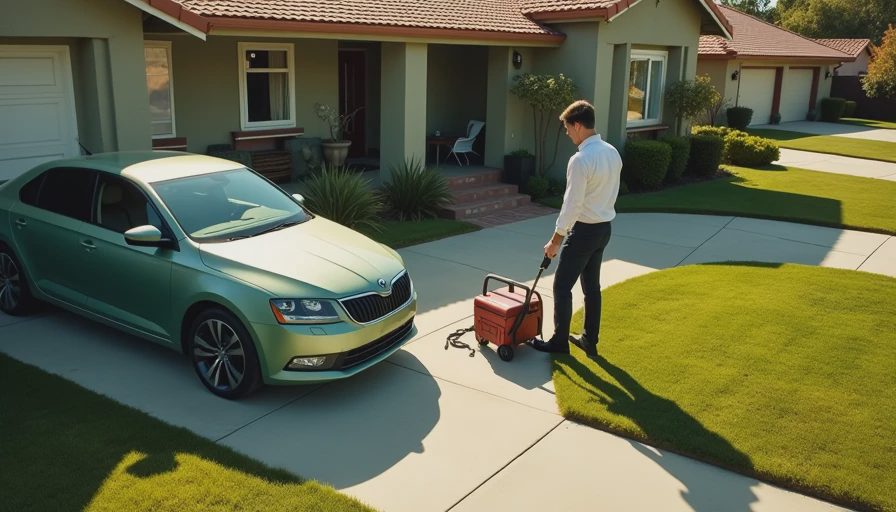
Preventive maintenance is the routine work you do on a vehicle to prevent breakdowns before they happen. It's the opposite of "wait till it breaks." Think oil changes, fluid checks, belt inspections, tire rotations. It's not exciting, but it's what keeps your car—or your tractor—running reliably. I tell customers: you brush your teeth every day to avoid root canals. Same idea.
For your vehicle, preventive maintenance follows the schedule in the owner's manual. For older trucks or ranch equipment, it's about knowing the weak points and staying ahead of them. My grandfather's rule: check the fluids every Saturday morning. That habit alone has saved me countless tow bills.
The Real Cost of Skipping Preventive Maintenance
Let's talk dollars because that's what hurts. A standard oil change runs $40–$80. Skip it, and sludge builds up. That can kill an engine. A replacement engine for a mid-size sedan costs $4,000–$7,000 installed. Same story with transmission fluid: a $150 service versus a $3,500 rebuild.
I had a customer with a 2012 Ram 2500 that towed heavy. He never changed the differential oil. The rear end howled, then seized. That repair was $2,200. He could have done the fluid change for $60 in parts. Preventive maintenance is cheap insurance.
On the ranch, a neglected tractor can cost you a harvest. A hydraulic line blows, you lose a day. A fuel filter clogs, you're stranded in the field. I've seen both. The math is simple: invest a little time and money now, or pay big later.
My 5-Point Preventive Maintenance Checklist
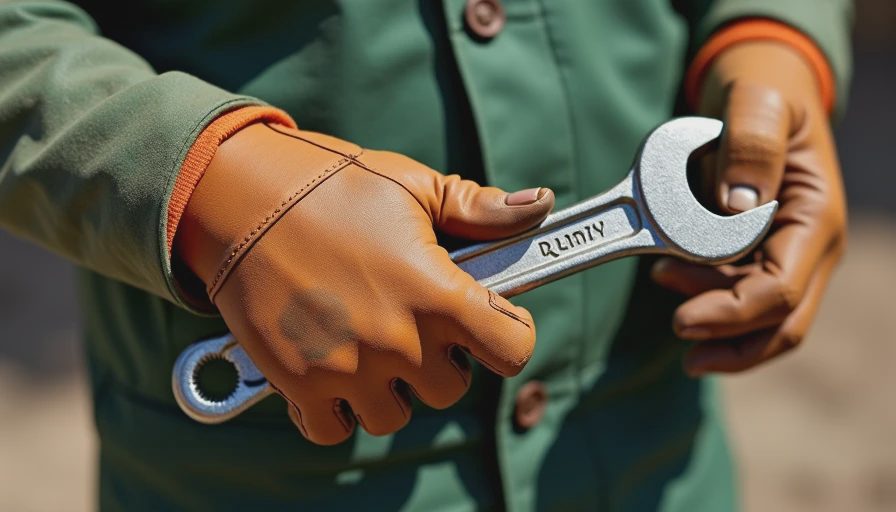
Here's the routine I follow for my personal vehicles and recommend to every customer:
- Oil and filter change – Every 3,000–5,000 miles for conventional, 5,000–7,500 for synthetic. Check the dipstick weekly.
- Fluid levels – Coolant, brake fluid, transmission, power steering, and windshield washer. Top off as needed.
- Tires – Check pressure monthly, rotate every 5,000–7,500 miles. Look for uneven wear.
- Belts and hoses – Inspect for cracks, glazing, or soft spots. Replace at the first sign of wear.
- Battery and cables – Clean terminals, test voltage. A weak battery leaves you stranded.
Shop Trick: Use a piece of cardboard under the engine overnight. If you see a spot, you know where it's leaking. My grandfather taught me that trick—still works 40 years later.
Preventive Maintenance for Your Tractor or UTV
Ranch equipment takes the same principle but with extra steps. Dirt and dust kill filters fast. I change the air filter on my compact tractor every 100 hours—more if I'm mowing dry fields. Hydraulic oil needs changing annually; cheap fluid is false economy.
For UTVs, check the CVT belt regularly. A shredded belt on a trail is a long walk. Also, grease all the fittings every 50 hours. A dry joint wears out in a season.
Preventive maintenance applies to everything with an engine. The schedule may differ, but the mindset is the same. Catch it early, fix it cheap.
When to Do It Yourself vs. When to Call a Pro
Some preventive maintenance is beginner-friendly: checking fluids, changing air filters, topping off coolant. I teach my teenage son those things. But if you're not sure, take it to a pro. No shame in that. An oil change gone wrong—like draining the transmission by mistake—costs more than the service would have.
At my shop, we see a lot of DIY mistakes. Stripped drain plugs, wrong filters, overfilled fluids. If you're comfortable, go ahead. If you're guessing, bring it in. The few dollars you save doing it yourself isn't worth a major repair.
Creating a Preventive Maintenance Calendar
One of the best ways to stay on track is to set up a calendar. I use a simple spreadsheet for my fleet: oil changes every 4,000 miles, tire rotations every 6,000, coolant flush every 30,000. For ranch equipment, I log hours on a whiteboard in the shed. Preventive maintenance works best when it's a habit, not an afterthought.
Sample schedule for a daily driver:
- Monthly: Check tire pressure, engine oil level, and coolant. Look for leaks under the car.
- Every 3 months: Inspect belts and hoses for cracks. Test battery with a multimeter (should read 12.6 volts or higher).
- Every 6 months: Rotate tires and replace windshield wipers. Check cabin air filter.
- Annually: Flush brake fluid and coolant. Replace automatic transmission fluid if towing heavy loads.
Stick to a schedule, and you'll catch minor issues before they become expensive. I've had customers tell me their preventive maintenance calendar saved them from missing a vacation or a work deadline. It's that simple.