A guy brought in his F-150 last week, dead set on trading it in because the monthly payment was eating him alive. He was staring at the loan, but he wasn't looking at the real number that matters: the total cost of ownership. That's what I told him while we had it on the lift. The purchase price? That's just the entry fee. The total cost of ownership includes everything – fuel, insurance, maintenance, repairs, depreciation – and it's what determines whether that truck is a good deal or a financial anchor.
My grandfather taught me this trick – still works 40 years later: when a customer walks in complaining about a repair bill, I ask them what they think their vehicle's total cost of ownership is per mile. Most can't answer. But if you track it, you start making smarter decisions about when to fix, when to trade, and what to buy next. Let me break down the five big pieces of that number and how to shrink each one.
Depreciation: The Biggest Hidden Cost
The day you drive a new vehicle off the lot, it loses about 10–20% of its value. That's the steepest part of the depreciation curve. Over five years, a typical car loses 40–60% of its initial value. That's thousands of dollars disappearing, and you don't see it on a invoice – but it's part of your total cost of ownership.
How do you beat depreciation? Buy a vehicle that holds its value. Toyota Tacomas, Honda Civics, and certain Ford trucks are famous for slow depreciation. Or buy a two- or three-year-old certified pre-owned – someone else takes the biggest hit, and you still get a reliable vehicle. I've got a rancher friend who only buys trucks with 50k–70k miles, keeps them for five years, and sells them for nearly what he paid. His total cost of ownership on depreciation is nearly zero.
Maintenance: Spending a Little to Save a Lot
This is where a shop like mine lives, and it's the area you have the most control over. Skipping an oil change or ignoring a worn belt might save you $100 today, but it can turn into a $2,000 engine repair tomorrow. That engine failure adds directly to your total cost of ownership.
Shop Trick: Follow the severe service schedule in your owner's manual, not the normal one. Most trucks used for towing, dirt roads, or short trips qualify as severe. That means oil changes every 5,000 miles instead of 7,500, and transmission fluid changes at 30,000 miles instead of 60,000. It costs more upfront but extends the life of major components. I've seen a properly maintained half-ton truck run 250,000 miles without a major breakdown. That's a total cost of ownership that looks great on a per-mile basis.
Don't forget the small stuff: cabin air filters, coolant flushes, brake fluid changes. They're cheap and prevent bigger problems. If you're not sure, take it to a pro. No shame in that.
Repairs: The Wild Card
Even with perfect maintenance, things break. Alternators, starters, water pumps, AC compressors – they all have a service life. The key is catching failures early. A failing water pump might leak a little coolant before it seizes. A worn belt might squeal for weeks before snapping. Address it when you hear the noise, not after the breakdown. Emergency repairs cost more because you can't shop around, and you might have to pay roadside assistance. All of that inflates your total cost of ownership.
My grandfather used to say, "A squeak today is a tow truck tomorrow." He was right. If you keep up with preventative maintenance, you can plan for repairs instead of reacting to them. And when you do need a repair, get quotes from three shops. Don't just go to the dealer – independent shops like mine often do the same work for 20–30% less.
Fuel and Insurance: Recurring Expenses
Fuel is straightforward: drive less, carpool, keep tires inflated, and don't stomp on the gas at every stoplight. But there's a bigger factor – choose a vehicle with good fuel economy. A truck that gets 15 mpg will cost you about $2,000 more in fuel per year than a sedan that gets 30 mpg, assuming 15,000 miles a year and $3.50/gallon. Over five years, that's $10,000. That's a huge chunk of total cost of ownership.
Insurance varies by vehicle, your driving record, and where you live. A sports car or a luxury SUV will cost more to insure than a family sedan. Get quotes before you buy – the difference can be $500–$1,000 a year. Bundle your auto and home or renters insurance for a discount. And raise your deductible to $1,000 if you have an emergency fund – that can cut your premium by 10–20%.
How to Calculate Your Vehicle's Total Cost of Ownership
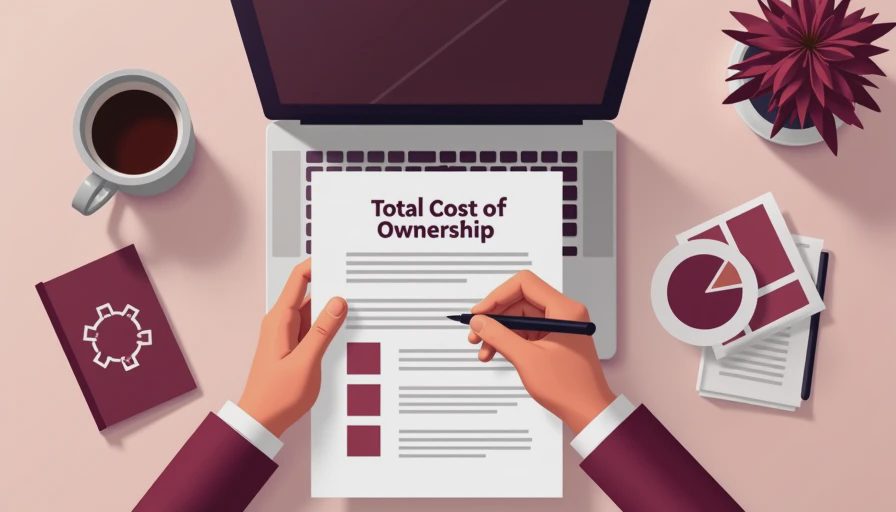
You can do this on a napkin. Track every dollar you spend on the vehicle: purchase price (minus what you sell it for), fuel, insurance, maintenance, repairs, registration, taxes, and any interest on the loan. Divide that by the total miles you drive over the ownership period. The result is your cost per mile.
A reasonable target for a mid-size sedan is $0.40–$0.60 per mile. For a full-size truck, $0.60–$0.90 per mile. If you're over $1.00, you either have a very expensive vehicle, terrible fuel economy, or you're getting hammered on repairs because you skipped maintenance.
I keep a spreadsheet for my ranch truck – a 2012 F-250 I bought used. After five years, my total cost of ownership per mile is $0.72. That includes everything, even the time I had to replace the transmission at 180k miles. Because I did the routine maintenance, that truck has paid for itself many times over.
Shop Tricks to Lower Your Total Cost of Ownership
Here are a few things I've learned over three generations:
- Change your oil on time. It's the cheapest insurance you can buy. Use full synthetic if you keep the vehicle long-term – it extends engine life.
- Flush the coolant every 30k miles. Overheated engines are the #1 cause of head gasket failures, and that's a $3,000+ repair.
- Replace the serpentine belt and tensioner at 100k miles. A broken belt can leave you stranded and cause engine damage if you keep driving.
- Keep your tires rotated and balanced. Uneven wear eats tires quickly, and new tires for a truck can run $800–$1,200.
- Drive gently. Aggressive acceleration and hard braking wear out brakes, tires, and suspension parts faster.
None of these are flashy. They're the boring stuff that keeps your total cost of ownership low. But if you skip them, you're paying more in the long run.
My grandfather taught me this trick – still works 40 years later: when you're shopping for your next vehicle, don't look at the sticker price. Look at the expected total cost of ownership over five years. Research reliability ratings, fuel economy, insurance costs, and parts prices. A $30,000 car that costs $0.50 per mile to run is a better deal than a $25,000 car that costs $0.75 per mile. The numbers don't lie.
Whether you drive a sedan for your commute or a diesel pickup for the farm, understanding your total cost of ownership puts you in control. You'll know when to fix, when to trade, and how much you're really spending. And if you ever need help keeping that number low, you know where to find me – out in the shop, under a lift.