A guy brought in his old F-250 last week for a tune-up. While I was underneath, I noticed a rag soaked in brake cleaner sitting near the water heater pilot light. That kind of thing keeps me up at night. Fire in a shop doesn't just cost you a building—it can cost you everything. That's why workshop fire safety precautions aren't something you read once and forget. They're a daily habit, passed down like my grandfather's torque wrench. Here's what I've learned from three decades behind the bay door and a few close calls out on the ranch.
Why Workshop Fire Safety Precautions Matter
Auto shops and farm shops share the same risks: flammable liquids, hot work, electrical arcs, and dust. One spark in the wrong spot can turn a profitable year into a pile of ash. I've seen it happen to a buddy's shop in Uvalde—a small electrical fire from a frayed extension cord that spread to a parts cleaner. By the time the volunteer FD got there, the roof was gone. That fire started because someone skipped basic workshop fire safety precautions. The National Fire Protection Association reports that vehicle fires cause thousands of structure fires annually, many in repair garages. The point isn't to scare you; it's to make sure you never have to tell that story yourself.
Store Flammables the Right Way
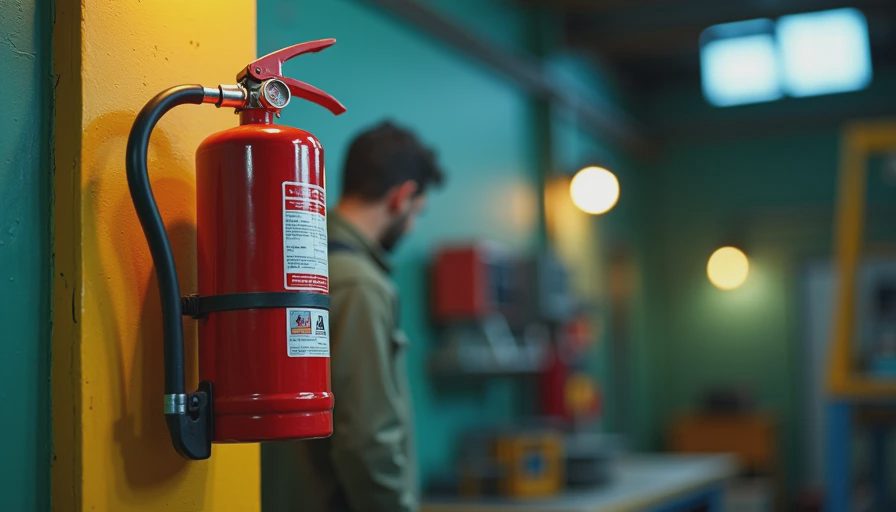
Gasoline, diesel, brake cleaner, carburetor cleaner, paint thinners, solvents—your shop is full of things that want to burn. Storing them properly is the simplest workshop fire safety precaution you can take. Keep all flammables in approved safety cans with self-closing lids and flame arrestors. Never store them near water heaters, furnaces, or pilot lights. On the ranch, that means keeping your diesel and gasoline jugs in a separate shed or a dedicated flammable cabinet, not leaning against the side of the tractor barn. I use a steel locker I picked up at a farm auction—cost me fifty bucks and it's saved me a hundred times over. Shop Trick: Put a small sign on the cabinet door listing every flammable inside. That way, if a fire starts, you know exactly what you're dealing with.
Electrical Safety in the Shop
A shop's electrical system takes a beating. Extension cords get run over, outlets get caked with grease, and lights vibrate loose. Faulty wiring is one of the top causes of shop fires. Follow these workshop fire safety precautions: use industrial-grade outlets and switches, install ground-fault circuit interrupters near water sources, and never daisy-chain power strips. I once had a mechanic apprentice plug a space heater into a power strip that was already powering a battery charger and a radio. The strip melted in twenty minutes. Now every bay has its own dedicated circuit for high-draw equipment. Also, inspect cords regularly—if the insulation is cracked, replace it. On the ranch side, make sure your barn's wiring is in conduit; rodents love chewing through plastic sheathing.
Fire Extinguisher Types and Placement
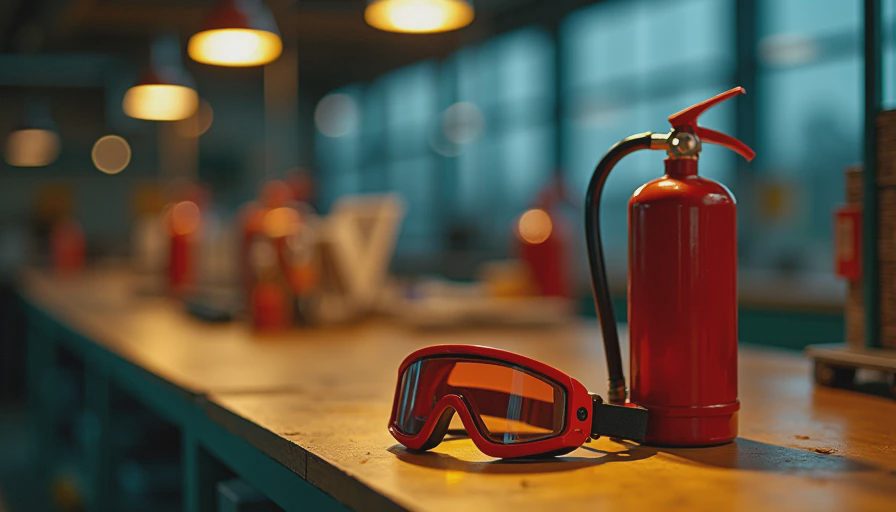
Having the right extinguisher and knowing where it is can mean the difference between a small fire and a total loss. For most shops, you need a multi-purpose dry chemical extinguisher (Class ABC) within 75 feet of every work area. But that's the minimum. I keep a Class B extinguisher near the fuel storage and a Class C near the electrical panel. Workshop fire safety precautions include checking the gauge monthly and shaking the canister to prevent the powder from settling. My grandfather taught me this trick: hang a small tag on each extinguisher with the last inspection date. It takes ten seconds and keeps you honest. Also, make sure everyone in the shop knows how to use one—PASS: pull the pin, aim at the base, squeeze the handle, sweep side to side.
Daily Habits That Prevent Fires
Most shop fires don't start from a single dramatic event; they start from neglect. A pile of oily rags left in a corner can spontaneously combust. A welding torch left unsecured can ignite a gas can. Make workshop fire safety precautions part of your end-of-day routine: sweep up metal shavings and dust, put oily rags in a metal container with a lid, turn off all non-essential equipment, and check for gas smells. On the ranch, I do the same in the tractor shed—clean up hay debris, shut off battery tenders, and make sure no fuel cans are left open. It might sound like overkill, but one of my neighbors lost a hay barn last summer because a hot exhaust manifold from a tractor parked overnight touched a pile of straw. Five minutes of prevention would've saved him thousands.
When it comes to fire, an ounce of prevention is worth a ton of steel. Don't learn that lesson the hard way. Take an afternoon this week to walk through your shop and look for hazards. If you're not sure about something, take it to a pro—an electrician or a fire marshal can spot risks you'd never see. And if you ever have a close call, call it what it is: a warning. Three generations of shop wisdom all say the same thing—you never get a second chance with fire.
*This article was written by Luis Herrera, a third-generation auto shop owner and rancher in San Antonio, Texas. His grandfather taught him most of these tricks—they still work 40 years later.*