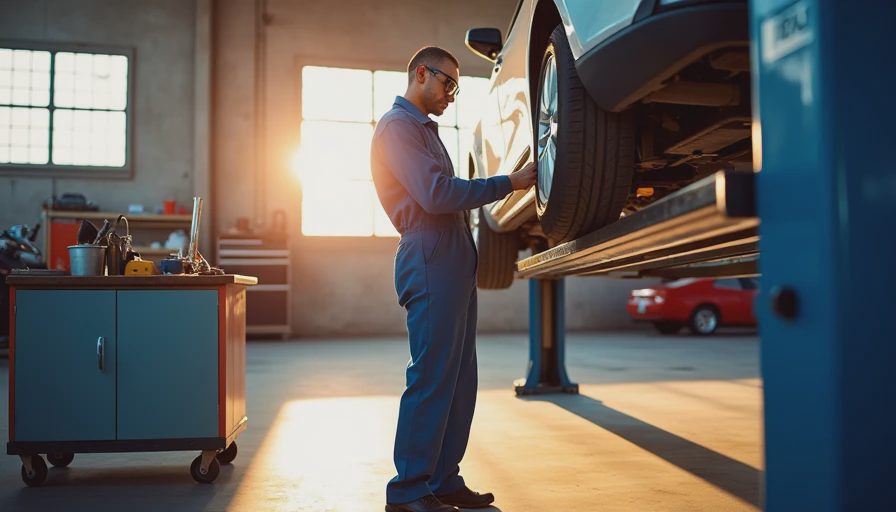
A guy brought his F-250 into the shop last week with a brake job that turned into a full axle seal replacement. As I was under the truck, grinding off a rusted caliper bracket, I caught a sliver of metal in my forearm. That’s when I told myself again — PPE for mechanics isn’t optional, it’s the difference between walking out the door at the end of the day and explaining to your wife why you’re bleeding through your sleeve. I’ve been running this shop since I took over from my father in 2018, and my grandfather started it back in 1988. Over three generations, I’ve seen what works and what’s just marketing hype. Here’s the real deal on personal protective equipment for mechanics.
Why Standard Safety Gear Falls Short in a Working Shop
You can walk into any big-box store and grab a pair of safety glasses for five bucks. They’ll keep debris out of your eyes, sure, but they’ll fog up the second you start breathing heavy under a dash. I’ve tried cheap nitrile gloves that tear the moment you touch a sharp edge. PPE for mechanics has to handle oil, coolant, grease, and the occasional slipped tool — not just look good on a shelf.
The best safety gear I’ve found is built for actual shop conditions. For gloves, I use Klein Tools heavy-duty nitrile — they run about $15 a box of 50. They’re thicker (9 mil) and resist punctures better than the cheap generic stuff. For safety glasses, I stick with 3M SecureFit or Uvex Genesis. They don’t fog as bad, and they sit comfortable under a welding helmet. My grandfather taught me this trick: rub a bar of soap on the inside of the lens, then buff it off with a dry rag. That anti-fog hack still works 40 years later.
The Specific PPE I Wear Every Day
Let’s break down what I personally use on a daily basis. This isn’t a sponsored list — it’s what I’ve settled on after years of trial and error.
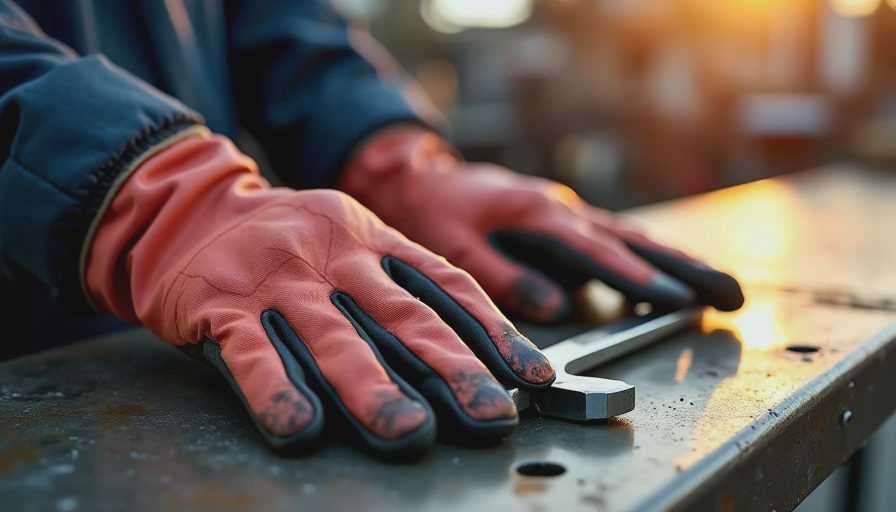
Gloves. As I said, Klein nitrile. I also keep a pair of Mechanix Wear Original gloves for jobs where I need dexterity — like working with small bolts or handling wiring harnesses. They’re about $30 a pair and last a few months if you don’t ruin them with brake cleaner.
Safety glasses. 3M SecureFit 200 Series. They’re impact-rated, comfortable for all-day wear, and cost around $12. I’ve seen cheaper pairs shatter when hit — not worth the risk.
Hearing protection. In an auto shop, you’ve got impacts, grinders, and the occasional air hammer. I use 3M Peltor X1A earmuffs (around $20) for heavy noise, and for lighter tasks, a pair of Moldex disposable ear plugs (about $15 for 200 pairs). If I’m running a tractor or UTV all day, I switch to ISOtunes PRO Bluetooth earmuffs so I can listen to a podcast and still protect my hearing.
Respirator. This is the piece most mechanics skip. When you’re blowing out brake dust, painting small parts, or grinding metal, you’re breathing in particles that accumulate over a career. I use a 3M half-face respirator with P100 filters. A full kit runs about $30, and the filters last weeks. My grandfather never wore one — he coughed his whole life. Don’t follow that example. This is the reality of good PPE for mechanics — it pays for itself.
One Piece of PPE My Grandfather Swore By
My grandfather had a pair of red leather welding gauntlets that must have been from the 1970s. They were stiff, greasy, and singed on the cuffs, but he never did a job without them. He used to say, “Leather don’t melt like cotton.” He had a point. For any task involving heat — cutting, welding, or even handling exhaust parts — I reach for a pair of Tillman welding gloves (around $40). They’re the modern version of what he used. Brand names change, but the principle doesn’t: your hands are your most valuable tools. Protect them. That’s why I’m so particular about PPE for mechanics.
How to Choose PPE for Mechanics Without Wasting Money
You don’t need to buy the most expensive gear, but you do need to buy the right gear. Here’s a quick guide:
- Start with eye and hand protection. Those are the most common injuries in a shop. Spend $15 on good glasses and $15 on good gloves.
- Add hearing protection if you use power tools. Earmuffs are fine for the shop, but if you work around loud equipment regularly, invest in electronic hearing protection with microphones (like the ISOtunes) so you can still hear someone talking.
- Get a respirator for dusty or fume-heavy jobs. Brake dust, paint, and grinding dust are carcinogenic. A half-face respirator with P100 filters is cheap insurance.
- Consider a bump cap. If you work under vehicles a lot, a bump cap (like the Jackson Safety H2X) protects against scrapes and minor hits. It’s not a hard hat, but it’s better than nothing.
- Don’t skip the apron. A good work apron (I use a DeWalt leather apron, about $30) keeps sharp tools off your legs and prevents burns when you lean against a hot engine.
The total investment for a solid PPE setup is under $200. Compare that to a trip to the ER for a metal sliver in your eye or a cut that gets infected.
Safety Isn’t Just Gear — It’s Habits
Gear alone won’t save you. I’ve seen guys wear gloves but then wipe their eyes with a greasy sleeve. I’ve seen others refuse to wear a respirator because “it’s uncomfortable.” The truth is, PPE for mechanics only works if you actually use it — and use it correctly.
A few habits I teach my apprentices:
- Strap on your glasses before you walk into the bay, not after a tool drops.
- Change gloves every time they’re contaminated with solvents or grease.
- Replace your respirator filters when you can smell anything through them.
- Never use compressed air to blow off your clothing — that blows debris into your skin and eyes.
It takes about two weeks to form a habit. After that, it’s automatic. My grandfather taught me this trick: tape a checklist to the inside of your tool box lid so you see it every morning. After a month, you won’t need the list anymore.
---
If you’re running a shop or wrenching on your own stuff, take PPE seriously. I’ve got a drawer full of gear here at the shop in San Antonio — stop by sometime and I’ll show you exactly what I use. Or leave a comment below with your own setup. Keep your hands in one piece.