A guy brought his F-250 into the shop last week complaining of rough idling. Turned out the air filter was clogged with mesquite dust from the summer — he had skipped the spring service. That's why I put together a seasonal maintenance checklist for both your daily driver and your ranch equipment. My grandfather taught me to stay ahead of the seasons, and it's saved me more than a few breakdowns on the back forty. This seasonal maintenance checklist covers four key times of year — spring, summer, fall, and winter — so you can keep your truck, tractor, and UTV in shape no matter what the Texas weather throws at you.
Spring: The Year's Most Important Check
Spring is when I see the most preventable failures. After winter's cold starts and road salt (if you get that), everything needs a look. Start with fluids: engine oil, transmission fluid, coolant, and brake fluid. Check the battery terminals for corrosion — a quick wire-brush and some terminal grease can save you a tow. When I'm checking my own ranch truck, I also look at belts and hoses. Cracking belts cause more summer breakdowns than almost anything else. For the tractor, grease all the fittings on the loader arms and three-point hitch. My grandfather used to say a dry joint is a noisy joint, and a noisy joint is a broken joint. Also inspect your tire pressure and tread depth. Spring rains can make fields muddy, and good traction keeps you moving.

Summer: Heat and Dust Are Tough on Everything
Summer is brutal on engines, especially in the Southwest. The first thing on my seasonal maintenance checklist is the cooling system. Flush the radiator if it's been more than two years. Check the fan clutch — a failing one will let your engine run hot. For diesel tractors and trucks, replace the fuel filter before the heat kicks in. Algae can grow in diesel tanks during humid weather, and that will plug a filter fast. I also check the air conditioner: run it for a few minutes with a thermometer in the vent. If it's not blowing below 50 degrees, the charge is low. On the ranch, I blow out all the radiator screens and oil cooler fins on the tractor. Mesquite and goatheads can cover them in a week. And don't forget the cabin air filter — you'd be surprised how much dust gets in there.
Fall: Get Ready for Winter Before It Hits
Fall is the time to prepare for cold starts and reduced daylight. Go through the lighting system: headlights, taillights, turn signals, and hazard flashers. Replace bulbs that are out or dim. Test your battery under load — a battery that's three years old can fail on the first freezing morning. For the tractor and UTV, add a fuel stabilizer to the tank and run it through to prevent gelling. I also switch to winter-grade oil if the manual recommends it. Check the heater and defroster — you don't want to find out they're broken on a 40-degree morning. My grandfather taught me to keep a blanket and a jug of water in every vehicle during fall and winter. It's simple, but it can be a lifesaver.
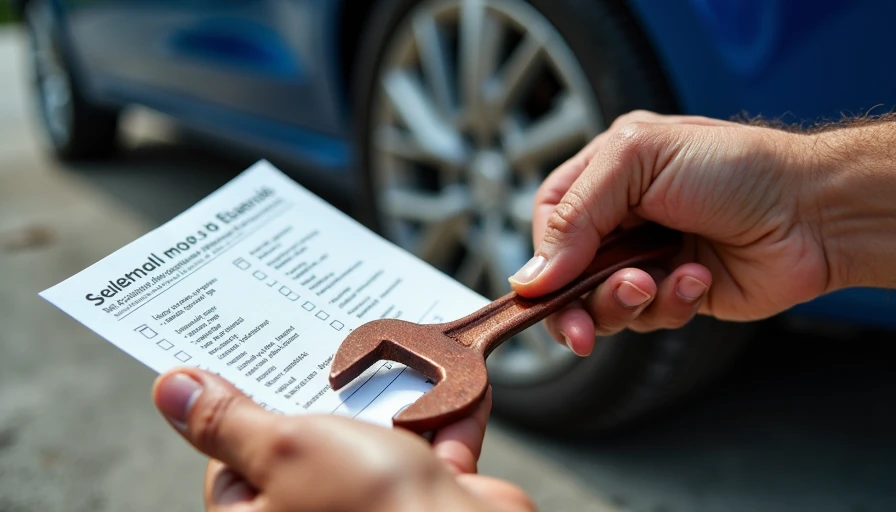
Winter: Cold Starts and Corrosion
Winter means shorter days and more moisture. If your vehicle sits outside, rust can start on the undercarriage. I spray a light coat of fluid film on exposed metal on my trucks and tractor — especially on the frame rails and suspension components. For the daily driver, make sure the block heater works if you have one. Plug it in when temps drop below 20°F to save wear on the engine. Check the windshield washer fluid — use a winter formula so it doesn't freeze. For the tractor and UTV stored in the shed, start them once a week and let them run until warm. This circulates oil and keeps seals moist. And check the tire pressure again; cold weather drops it by a pound per 10-degree drop. Also, check your 4WD system if you have one — engage it briefly to make sure the front axle engages properly.
Frequently Asked Questions About Seasonal Maintenance
Q: How often should I check my tire pressure? A: At least once a month and before any long trip. During seasonal changes, temps affect pressure significantly, so it's smart to check at the start of each season.
Q: Can I use the same oil year-round? A: Not always. Check your owner's manual. Many modern vehicles use multi-grade oil that works in all seasons, but some recommend a thinner oil for winter. When in doubt, stick with what the manufacturer says.
Q: What's the most commonly overlooked item on a seasonal maintenance checklist? A: The cabin air filter. It's cheap and easy to replace, but people forget it until the AC smells musty. Swap it every spring and fall for fresh air.
Q: When is the best time to flush the radiator? A: Spring is ideal, before the summer heat stresses the cooling system. If you do it in fall, you risk leaving water in the system that can freeze. Always use the right coolant mix.
Q: Should I winterize my tractor even if I use it in winter? A: Yes. Use a fuel additive, check the battery, and keep it in a sheltered spot if possible. Cold starts are hard on diesels. A block heater makes a big difference.
Keep a logbook of your maintenance. Note the date, mileage, and what you did. That helps you track patterns and reminds you when the next check is due. I've seen too many folks skip these simple checks and pay for it later. A neighbor lost a transmission because he didn't check the fluid before a long trip.
A Final Word
That's the seasonal maintenance checklist I follow for my own vehicles and equipment. It's not complicated, but it takes a few hours each quarter. A guy asked me last fall, "Is it really worth doing all that?" I pointed at his neighbor's truck that had a cracked block from a winter freeze. "That's a $5,000 mistake," I said. "An hour of checking would have caught it." If you're not comfortable doing any of these steps, take it to a pro. No shame in that. But doing the basics yourself will save you money, time, and a lot of headaches. Now get out there and check your rig — the seasons aren't waiting.