A guy brought in his F-250 last week. He runs a small hay operation, and the truck had been sitting three weeks because the alternator gave out. Three weeks of downtime—that's lost bales, lost income. I see it all the time: a piece of equipment goes down, and the dominoes start falling. Whether it's a truck, tractor, or UTV, equipment uptime is the difference between a profitable season and a scramble.
My grandfather taught me this trick—still works 40 years later: check the simple things first. But that's just the start. Over the years, running our family shop and keeping my own ranch equipment going, I've learned that equipment uptime isn't luck. It's a system. And I want to share what works for me.
Why Equipment Uptime Matters on the Ranch and in the Shop
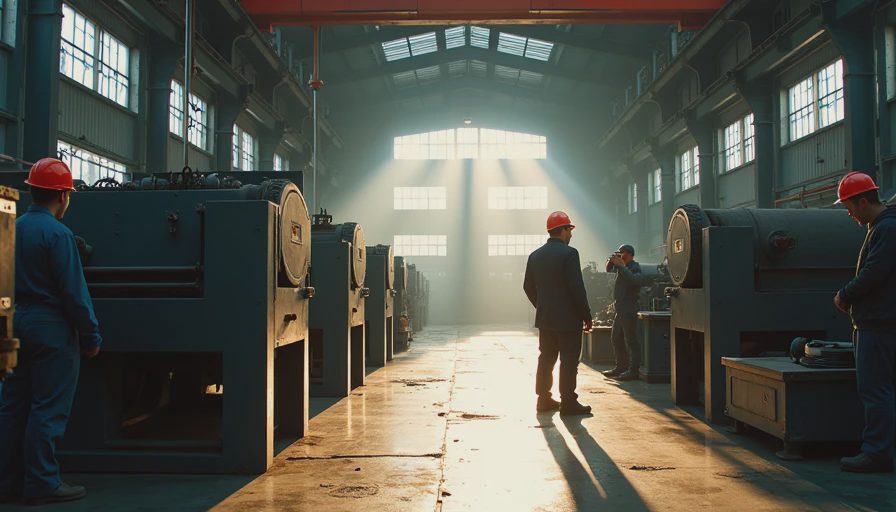
Every hour a machine sits is an hour you're not making money. In the shop, a lift tied up with a waiting-for-parts job kills your bay utilization. On the ranch, a tractor down during harvest means paying someone else or losing the window. I've seen both. equipment uptime affects your bottom line directly. According to the Department of Energy, unplanned downtime costs industrial operations an average of $260,000 per hour. For a small operation, even a single day can cost hundreds or thousands in lost productivity and repair bills.
Take a typical compact tractor like a Kubota L series. If it's down for a week during planting season, you might lose an entire field. That's not just the cost of the repair—it's the crop you didn't get in the ground. The same logic applies to a shop lift. A technician waiting for parts on a $100 job doesn't make sense when you could have turned that bay three times.
The Cost of Downtime vs. Preventative Maintenance
Let's break down the numbers. A basic preventative maintenance kit for a tractor—oil filter, fuel filter, air filter, and oil—runs about $150. Changing the hydraulic fluid and filter adds $200. That's $350 a year for a machine that might cost $35,000. Compare that to a blown engine: $5,000 to $8,000, plus weeks of lost uptime. On the auto side, a timing belt replacement on a Honda Odyssey is $800 at our shop. If it breaks, you're looking at $3,000 for a new engine.
equipment uptime is cheaper than you think. A small investment in regular maintenance pays for itself the first time it prevents a breakdown.
A Few Maintenance Habits That Keep Equipment Running
- Oil and filters on schedule. Use the OEM spec. I've seen too many "universal" filters cause issues with oil pressure. A $50 filter is cheap vs. a $5,000 engine rebuild.
- Check belts and hoses monthly. A belt that looks fine can snap in the heat. I replace them every two years on my tractors regardless.
- Grease everything that moves. Zerk fittings exist for a reason. My grandfather said "a dry joint is a dead joint." A grease gun costs $30. A new U-joint costs a lot more.
- Pay attention to odd sounds. That new squeak is the machine telling you something. I had a customer ignore a squeak in his John Deere 5065E. It turned into a $1,200 hydraulic pump replacement.
Shop Trick: The 10-Minute Walkaround
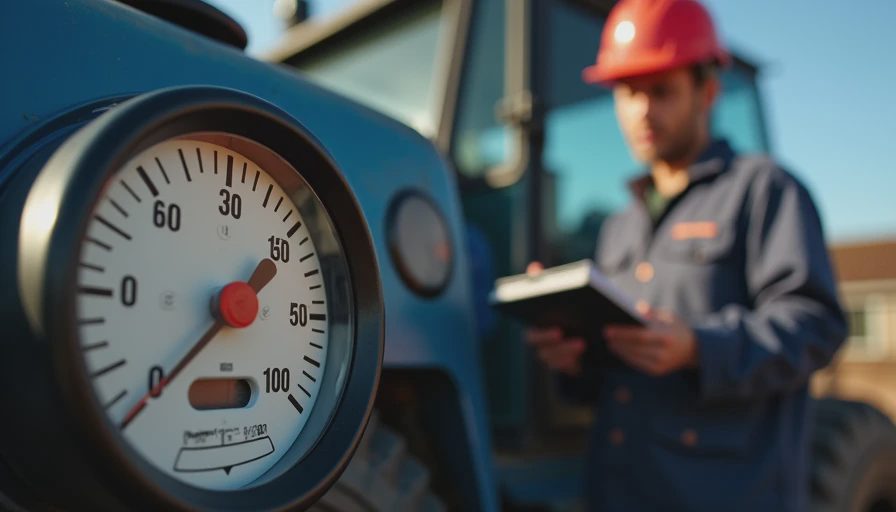
Every piece of equipment gets a 10-minute walkaround before the first start of the day. Check fluids, tires, hydraulic connections, and look for leaks. I do it on my tractors and on customer cars. It catches 80% of issues before they become breakdowns. equipment uptime starts with that daily habit. I've saved myself a blown hydraulic line just by noticing a wet spot. On a ranch, a hydraulic leak can dump 5 gallons of fluid in minutes—that's $200 in oil alone.
Build a Small Parts Inventory
One of the biggest killers of equipment uptime is waiting for parts. I keep a shelf of common items: oil filters, fuel filters, belts, hoses, and light bulbs. For my Kubota B2650, I have spare hydraulic filters and a belt kit. For the shop, I stock common alternators for Ford F-150s and Chevy Silverados. It's an upfront cost, but it pays off when a part fails on a Friday afternoon.
I also use Amazon Business for quick orders if I don't have it in stock. Some specialty parts come from local dealers—building that relationship helps when you need something overnight.
When to Call in a Pro
Not everything is a DIY fix. If you're into a repair that needs specialized tools or diagnostic equipment, take it to a shop. No shame in that. I've had customers cause more damage trying to fix a transmission themselves. Better to pay a pro once than pay twice. For equipment uptime, sometimes the smartest move is handing the keys to someone who sees these jobs every day.
On the ranch side, I won't tackle a modern tractor's electronics without the software. That's when I call the dealership. The same goes for a car with a complex timing chain job. Know your limits.
Final Thoughts
equipment uptime isn't complicated. It's about consistency. Show up, do the checks, fix the small thing before it becomes a big thing. That's the lesson my grandfather taught me, and it's the lesson I pass on to my son as we work on the old GMC. Whether you're in a bay or in a field, a little attention goes a long way.
If you want to keep your equipment running longer, start with the walkaround. That daily habit will save you more than any fancy tool. And if you're ever in doubt, come see us at the shop—we'll get you back on the road or in the field. Remember, the goal is to keep your equipment running day in and day out. That's equipment uptime done right.