A guy brought his tractor into my shop last week. It was a late-model compact diesel with less than 800 hours on the clock, but it sounded like an old sewing machine full of gravel. He told me he'd been skipping the routine ag equipment maintenance because he was busy with calving season. Now he was looking at a hydraulic pump replacement that'd cost more than a full year's worth of oil changes and filter swaps. I see this all the time. Whether you're running a 100-horse tractor or a fleet of UTVs on a ranch, staying on top of ag equipment maintenance is the cheapest insurance you can buy.
Why Regular Ag Equipment Maintenance Matters
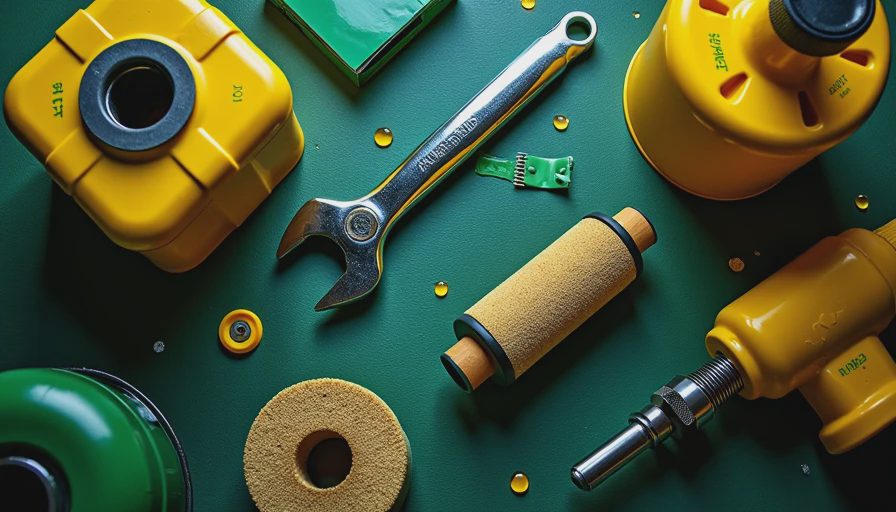
Machinery takes a beating. Dust, heat, moisture, and constant vibration wear down parts faster than you'd expect. I've found that most major breakdowns trace back to something simple: low fluid, a clogged filter, or a loose belt. The cost of a quart of hydraulic fluid is a lot less than a new pump. The same goes for engine oil and coolant. Regular ag equipment maintenance catches those small issues before they become wallet-busters.
The Most Overlooked Part of Ag Equipment Maintenance
If I had to pick one thing that gets ignored most, it's the fuel system. Diesel fuel grows algae and collects water, especially in Texas heat. I can't tell you how many injectors I've replaced because someone thought the fuel filter could wait another season. Changing the fuel filter annually and draining the water separator every 50 hours will save you thousands. That's the kind of ag equipment maintenance that pays for itself in one season.
A Step-by-Step Ag Equipment Maintenance Checklist
Here's what I tell my customers and what I do on my own gear:
- **Engine oil and filter** – every 100 hours or once a year for light use.
- **Fuel filter and water separator** – annually, more often if you see water.
- **Hydraulic fluid and filter** – every 200 hours for most tractors.
- **Coolant** – check level and condition monthly; flush every two years.
- **Air filter** – check weekly during dusty work; replace when dirty.
- **Grease all fittings** – after every 10 hours of use, no exceptions.
- **Tire pressure** – monthly, especially on loaders.
- **Belts** – inspect for cracks and tension seasonally.
Stick to this schedule and your machines will thank you. It's the backbone of smart ag equipment maintenance.
How Seasonal Changes Affect Your Machinery
In my part of Texas, summer heat wreaks havoc on batteries and cooling systems. Winter brings cold starts and thick oil. I prep my equipment before each season: test the battery in fall, flush the coolant in spring, and always keep a spare set of belts. Seasonal ag equipment maintenance means adjusting your fluid weights and checking heater and AC systems on enclosed cabs. It's the difference between starting on the first crank and calling a tow truck.
Shop Trick: A Generational Tip for Hydraulic Systems
My grandfather taught me this trick – still works 40 years later. Before you change hydraulic fluid, warm the system up by running the tractor for five minutes. Then let it cool enough to handle. That way the sediment stays suspended and drains out with the oil. If you change it cold, the heavy stuff settles and stays in the bottom of the reservoir. This one habit improved my ag equipment maintenance results noticeably. Less contamination means longer pump life.
When to Call a Pro vs. DIY Ag Equipment Maintenance
I'm all for doing your own work. But there are jobs I won't touch without the right tools and training: injector calibration, transmission rebuilds, anything inside the engine block. If you're not sure, take it to a pro. No shame in that. The best ag equipment maintenance respects your limits. A mistake on a high-pressure fuel system can cost you a shop fire or an injury. Know when to step back.
Keeping Records Saves Money
A simple notebook with hours and dates for each service makes ag equipment maintenance easy to track. I know exactly when my tractor is due for its next filter change because I write it down. Plus, good records boost resale value. Buyers trust a machine with documented care. My grandfather used a spiral notebook and a grease pencil. I use a spreadsheet, but the idea's the same.
Frequently Asked Questions About Ag Equipment Maintenance
**Q: How often should I change hydraulic fluid on a compact tractor?**
A: I recommend every 200 hours or once a year, whichever comes first. If you're running a loader or backhoe, stick to the shorter interval. Dirt and moisture degrade the fluid faster than you'd think.
**Q: Can I use automotive oil in my farm tractor?**
A: Not if you want it to last. Diesel engines need heavy-duty diesel engine oil with the right API rating. Automotive oil doesn't have the detergents or soot-handling capacity. Always check the owner's manual for the correct weight and spec.
**Q: What's the most common mistake in ag equipment maintenance?**
A: Neglecting air filters. I see people run them until they're completely clogged. That restricts airflow and causes engines to run rich, wasting fuel and damaging cylinders. Replace them on schedule, not when they look dirty.
**Q: Should I winterize my tractor if I use it year-round?**
A: Yes, even with year-round use. Drop to a winter-grade oil, top off antifreeze, and charge the battery. Cold starts are hard on engines.
Regular ag equipment maintenance doesn't have to be complicated. Follow the basics, stay consistent, and your machinery will reward you with years of reliable service. And if you ever need a hand, you know where to find me.