A guy brought his old Ford tractor into my shop last week. Said it had been sputtering and losing power for a month—he just didn't have time to look at it. Turned out the fuel filter was clogged with sediment and the air filter looked like it had been on the ranch since the 90s. Twenty minutes of work and $40 in parts, and that tractor was purring again. That's the thing about **farm equipment maintenance**—it's not glamorous, but it's the difference between a machine that gets the job done and one that leaves you stranded during harvest.

Why Regular Farm Equipment Maintenance Matters
When you're running a ranch or a small farm, every piece of equipment is a tool that earns its keep. I've seen too many guys push their tractors and UTVs past the point where simple maintenance could have caught a problem. Neglecting **farm equipment maintenance** doesn't just cost you in repairs—it costs you in downtime, missed windows, and safety risks. My grandfather always said, "Oil is cheap, engines are expensive." That applies to everything with a moving part.
Think about it: a hydraulic leak that could have been fixed with a $5 seal turns into a $2,000 pump replacement. A dirty radiator causes overheating, blowing head gaskets. These are the kinds of headaches that a consistent maintenance schedule prevents. And it's not just about money—it's about peace of mind when you're out in the field alone at dusk.
Daily and Weekly Checks That Save You Money
You don't need a full shop to keep your equipment in shape. A few minutes each day can catch the big problems. Here's what I do on my own machinery:
- **Fluid levels:** Check engine oil, hydraulic fluid, coolant, and transmission fluid every time you start the machine. I keep a rag and dipstick in a pouch on each tractor. Takes 30 seconds.
- **Air filters:** Tap them out weekly during dusty seasons. A dirty air filter strangles the engine and wastes fuel. Replace when you can see light through it? No—replace before that. If it looks dirty, change it.
- **Tire pressure and condition:** Low tires cause uneven wear and reduce traction. I check mine every Monday morning with a cheap gauge. Look for cuts or dry rot too.
- **Belts and hoses:** Give them a visual once-over. Cracks, glazing, or soft spots mean replacement is due. I lost a water pump belt mid-hay once—never again.
- **Battery terminals:** Corrosion builds up fast in farm dust. Clean with a wire brush and apply dielectric grease. Keeps starting issues at bay.
**Shop Trick:** Keep a dedicated notebook in each machine's glove box. Write down the date and what you checked. My grandfather taught me this trick—still works 40 years later. It helps you spot patterns and never guess when something was last done.
Seasonal Maintenance: Pre-Spring and Pre-Winter Must-Dos
Farm equipment faces extreme conditions. That means your **farm equipment maintenance** routine should change with the seasons. I do two deep dives every year: one before spring planting and one before winter storage.
**Pre-Spring:**
- Change all fluids (oil, hydraulic, coolant) if they're within 50 hours of interval.
- Grease every fitting you can find. Use a good lithium-based grease for pins and bushings.
- Test the battery and charging system. Cold winters drain batteries faster. I replaced mine every three years regardless.
- Check all lights, wires, and safety switches. Critters chew through wiring over winter.
- Inspect blades and cutting edges. Sharpen or replace if needed.
**Pre-Winter:**
- Top off fuel and add stabilizer. Run the engine for a few minutes to circulate it.
- Fog the cylinders on machines that will sit for months. Prevents rust.
- Remove batteries from UTVs and small equipment. Store in a cool, dry place on a trickle charger.
- Drain water from fuel filters if your tractor has a drain. Prevents freeze damage.
- Cover exposed hydraulic cylinders with a rag or tape to keep out moisture.
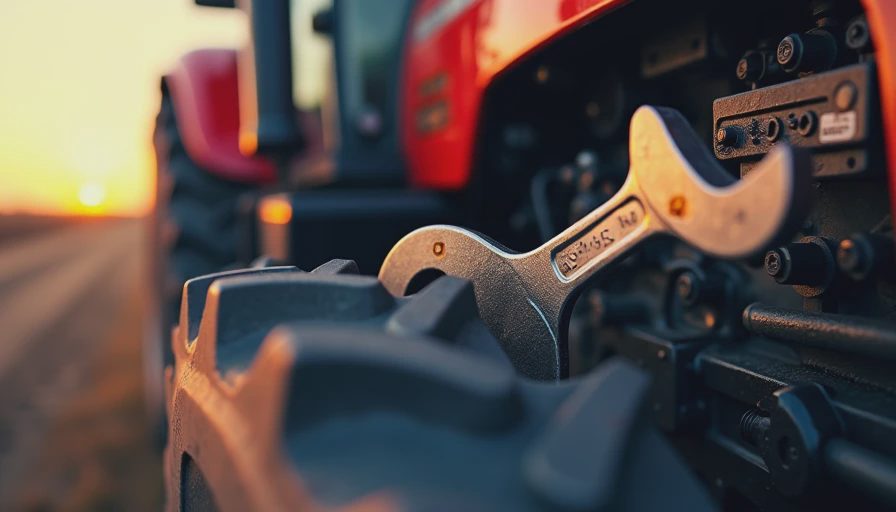
Shop Trick: The Simple Hydraulic Fluid Check My Grandfather Taught Me
Most guys check hydraulic fluid by looking at the sight glass or dipstick when the machine is cold. That's fine, but here's a better way: warm the fluid by running the machine for a minute, then cycle all the hydraulic functions (lift, tilt, steering) a few times. Then check the level with the engine running and the controls in neutral. Why? Because air trapped in the system can make the level look full when it's actually low. This trick has saved me from running a pump dry more times than I can count.
Also, check for water in the fluid. A milky or cloudy appearance means water contamination—drain and replace. Water turns to steam in hot brakes and can corrode valves from the inside.
When to Call a Pro
Not every problem is a DIY fix. I'm a mechanic by trade, and I still call in a dealer for internal transmission work or high-pressure hydraulic repairs. If you're hearing strange knocking sounds, losing power under load, or dealing with electrical gremlins that don't show up on a multimeter, take it to a shop. There's no shame in that. I tell my customers all the time: "I can fix your truck's brakes, but if your tractor's injection pump is acting up, I'll send you to the guy who does them every day."
Investing in regular **farm equipment maintenance**—whether you do it yourself or hire a pro—is the smartest money you can spend. A well-maintained machine holds its value, works when you need it, and keeps you safe. So grab your grease gun, check those fluids, and keep your iron running strong.