A guy brought in his fleet of work trucks last month—same make, different years—and the first thing I noticed was the chaos under the hood. Three different socket sets, two brands of wrenches, and a mix of metric and standard that had his mechanics guessing half the time. That's when I started talking to him about **tool standardization fleet maintenance**. It's one of those ideas that sounds obvious but takes real discipline to pull off. My grandfather taught me this trick years ago: keep the same tools across every bay, and you'll cut repair time by a third without even trying.
Why Tool Standardization Matters for Fleets
When you're maintaining a fleet—whether it's delivery vans, tractors, or a mix of both—every minute counts. **Tool standardization fleet maintenance** means every technician reaches for the same ratchet, the same torque wrench, the same diagnostic scanner. No more hunting for the 10mm that walked off last week. No more guessing which manufacturer's specs to trust. In our shop, we standardized on GearWrench for hand tools and Bosch for diagnostics. The result? Our average repair time dropped almost 20% in the first quarter.
Consistency also prevents costly mistakes. If one tech uses a ½-inch drive for a job that calls for ⅜-inch, you risk rounding bolts or under-torquing. With standardization, everyone uses the same procedure. That means fewer comebacks, less rework, and happier fleet customers.
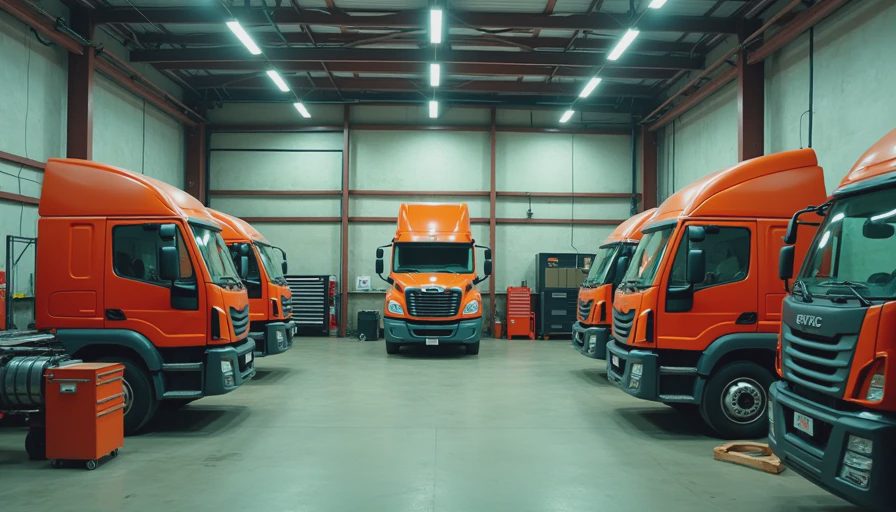
Implementing Tool Standardization in Your Shop
Starting **tool standardization fleet maintenance** doesn't mean buying all new tools overnight. Here's how we did it:
- **Audit your current inventory** – List every tool in every bay. Note duplicates, missing sizes, and worn-out items.
- **Choose a primary brand** – Pick two or three brands you trust. Consider warranty, availability, and price. For us, Tekton and Sunex have been solid for sockets and impacts.
- **Create a minimum tool list** – Every bay gets the same basics: socket set, wrench set, screwdrivers, pliers, torque wrench, and scan tool.
- **Label everything** – Use color tape or engraving to mark each tool with its bay number. This makes it easy to spot when a tool goes missing.
- **Train your team** – Hold a short meeting to explain the new system. Show them where each tool lives and the expected procedure.
- **Enforce accountability** – End-of-day tool checks. If something's missing, you know who had it last.
Shop Trick: Use foam tool drawer liners and trace each tool's outline with a marker. At a glance, you can see what's missing. Still works 40 years later.
The Hidden Benefits: Training and Speed
One of the biggest wins from **tool standardization fleet maintenance** is training new hires. When I bring on a young mechanic, I don't have to teach them three different ways to use a multimeter. They learn one system and they're productive faster. For fleets that rotate techs across vehicles, this is huge. A rental company client of ours standardized on Fluke meters and OTC scan tools—now any tech can diagnose any truck in their lot.
Speed is the other payoff. In a maintenance bay, every extra minute adds up across a fleet. If you save 10 minutes per vehicle and you service 20 vehicles a week, that's over three hours saved. Over a year, that's a week of labor you get back.
Overcoming Common Objections
Some shop owners push back on **tool standardization fleet maintenance** because of cost. “I've already got a pile of tools,” they say. I get it. But you don't need to replace everything at once. Start with the most-used items: sockets, wrenches, screwdrivers. Phase out the oddballs over a few months. The savings from reduced downtime and faster repairs will pay for the new tools within a year.
Another objection is that techs prefer their own tools. That's fine—let them keep personal tools, but require that the standardized set stays in its place. We have a rule: your personal toolbox is yours, but the shop's standardized kit must be used for fleet work. It keeps the peace and the consistency.
If you're running a fleet of mixed equipment—say, diesel trucks and compact tractors—you might think standardization is harder. Actually, it's easier because you can choose tools that work for both. For example, a ⅜-inch drive ratchet with a low-profile head fits tight engine bays and tractor hydraulic compartments.
Real-World Example: Ranch Fleet
On my small ranch, I have two tractors, a UTV, and a hay mower. When I standardized on Sunex impact sockets and a Milwaukee impact gun, maintenance time on the mower dropped from 45 minutes to 30. That might not sound like much, but during hay season, 15 minutes per service adds up. Plus, I can grab any tool from the shop and know it'll fit. No running back to the barn for a different size.
Conclusion: Start Small, Think Long-Term
**Tool standardization fleet maintenance** isn't a one-week project. It's a mindset. Start with a single bay or a single type of tool. Build from there. The consistency will pay off in faster repairs, fewer mistakes, and a team that works like a well-oiled machine. If you're not sure where to begin, pick your most common repair—say, brake jobs—and standardize the tools for that job first. Then expand.
If you're serious about fleet maintenance, take the first step this week. Audit your toolboxes, pick a brand, and start labeling. And remember: my grandfather taught me this trick—keep it simple, keep it consistent, and the work will take care of itself.
Need help choosing tools for your fleet? Drop by the shop or send me a message. Happy to share what's worked for us.