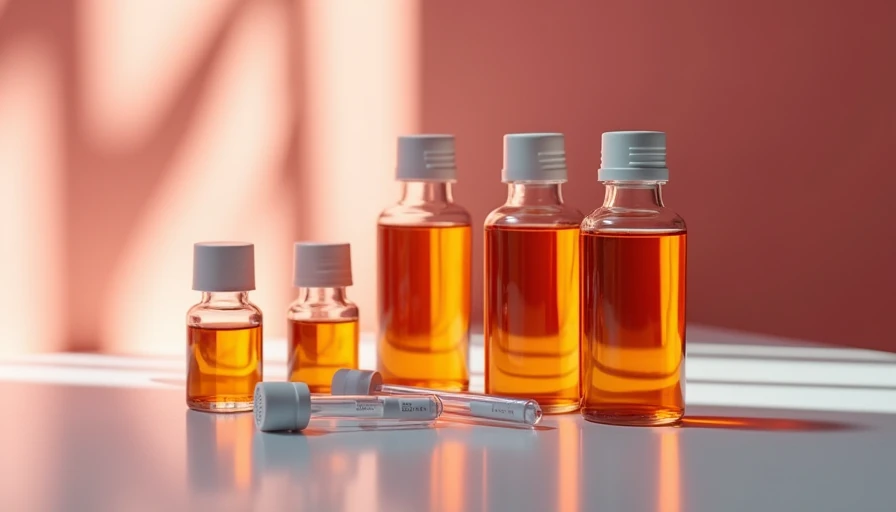
A guy brought in his truck last week — a 2012 F-250 with 180,000 miles that he uses to pull a gooseneck. He was complaining about a ticking sound under load. I pulled an oil sample before we did anything else. The oil analysis came back showing high silicon and copper. Turned out the air filter had a tear and was letting dirt in, and the bearings were starting to wear. We caught it early enough that a new filter and a flush saved the engine. A full rebuild would have cost him four grand easy. That's what oil analysis can do for you — whether you're running a diesel pickup, a tractor, or a UTV on the ranch.
Why Oil Analysis Matters for Your Shop and Ranch
If you're like me, you've got a mix of equipment: a daily driver, maybe a truck for hauling hay, a compact tractor, and a side-by-side that sees more mud than pavement. Each one of those machines depends on oil to keep metal parts from grinding each other down. Oil analysis is the only way to know what's actually happening inside before something breaks. It's not just about changing oil on time — it's about tracking wear metals, coolant leaks, fuel dilution, and dirt ingestion. For a shop owner, offering oil analysis as a service builds trust with customers and catches problems that build a reputation. For a rancher, it keeps your equipment running when you need it most. Skip a $40 oil analysis and you might miss a cracked head gasket that turns a $200 repair into a $3,000 engine swap.
How to Read an Oil Analysis Report
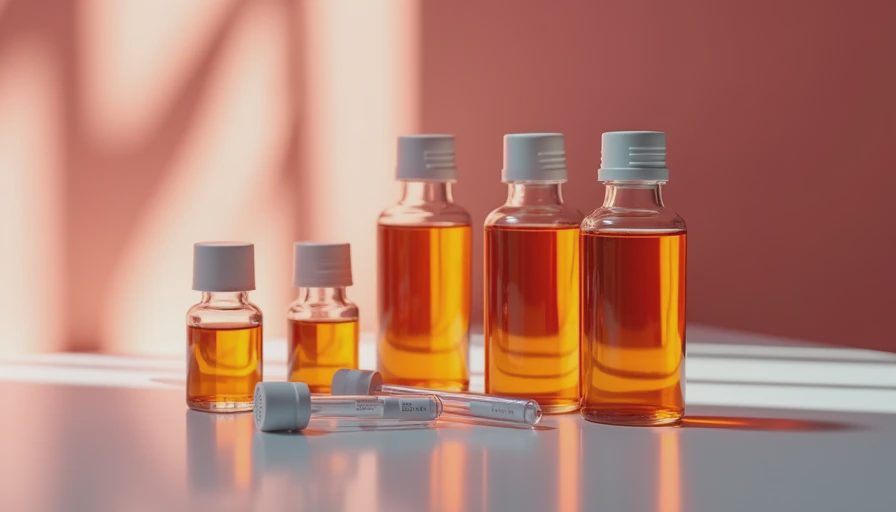
Most labs send back a report with a table of numbers. The key ones are iron, copper, lead, aluminum, silicon, and viscosity. Iron usually comes from cylinder walls or rings. Copper points to bearing or bushing wear. Lead is often a sign of main or rod bearing trouble. Aluminum can mean piston wear or a failing oil cooler. Silicon is dirt — that's your air intake letting in grit. Viscosity tells you if the oil has thinned out from fuel dilution or thickened from oxidation. Water contamination is a separate test. Don't get overwhelmed: the lab will flag anything outside normal ranges with a comment like "elevated" or "abnormal." I always look at the trend — how numbers change from one sample to the next. A single high reading might be a fluke, but a steady climb is a red flag. If you see coolant (glycol) in the oil, that's a head gasket or a cracked block time bomb.
When to Sample: A Simple Schedule
I sample every oil change on the high-value machines — the tractor, the diesel truck, the UTV that does the heavy ranch work. For the daily drivers, every other change is fine. The important thing is consistency: same mileage interval, same sampling method. Use the little vacuum pump from the dipstick tube — don't just let it drain out the pan plug, because you'll get contaminated sediment. I tell my customers to take the sample right after a good hot run, so the oil is well-mixed and carries the wear particles in suspension. If you've got a piece of equipment that sits for months, sample it before you start it up again. Stale oil can separate and hide issues.
Common Findings and What They Mean
High silicon is almost always air intake or gasket trouble. I've seen it on tractors that work in dusty fields without a pre-cleaner on the intake. High copper and lead together? Bearing wear — could be from running low oil pressure or just high hours. Fuel dilution, common in diesel engines with injector problems, shows up as low viscosity and a strong diesel smell. If you see high iron but everything else normal, it might be ring wear that's still within acceptable limits — but keep an eye on it. Water in the oil gives a milky appearance, but a lab test picks it up long before you can see it. One shop trick my grandfather taught me: if you get a report showing high sodium, that's often from coolant additive — a sign you've got a small coolant leak that hasn't mixed yet. That's a head gasket you can replace on a Saturday afternoon instead of after it blows on a Sunday.
Shop Trick: The One Test That Catches Problems Early
My grandfather taught me this trick — still works 40 years later. The single most useful number on an oil analysis is the viscosity vs. the new oil viscosity. If your 15W-40 comes back at 20W-50 thickness, you're oxidizing — time to consider shorter intervals or a filter upgrade. If it's thinner than new, you've got fuel dilution. Either way, that viscosity shift is the first warning. I've been sampling oil on my shop's fleet and my ranch equipment for the last 15 years. It's saved us more times than I can count. One customer's combine showed fuel dilution on the third sample — we found a pinhole in an injector line that was dribbling diesel into the crankcase. Fixed for $80. Without the analysis, he would have wiped out the bearings at harvest.

Taking the Next Step
Oil analysis is cheap insurance. A basic test runs $20 to $40 from labs like Blackstone or CAT. Some oil brands include it with bulk purchases. I mail my samples in the prepaid kit and get results emailed in a week. If you are not doing this yet, start with your newest or most expensive machine. Pick a consistent sampling interval, and keep a notebook or a spreadsheet of the results. Over time, you will build a baseline for each machine, and you will know the moment something changes. That is the whole point of oil analysis — catching small problems before they turn into big ones. If you are not sure how to interpret a report, most labs have a free phone consult. Take them up on it. That ten-minute call could save you an engine.
A lot of folks think oil analysis is only for big fleet operators. That is not true. My grandfather ran this shop with nothing but a crescent wrench and a sixth sense. He would have loved having a lab report in his hand. We have that tool today. Use it.