A guy brought his F-150 in last week because the door seal froze shut, and while I thawed the latch we got to talking about how Texas winters mess with everything. That conversation turned to the HLA 3500 snow pusher sitting in my equipment shed. I bought mine two winters ago after the old box blade turned my gravel drive into a minefield. The HLA 3500 snow pusher is the first attachment I hook up when the forecast goes white.
Why I Own One Instead of a Plow Blade
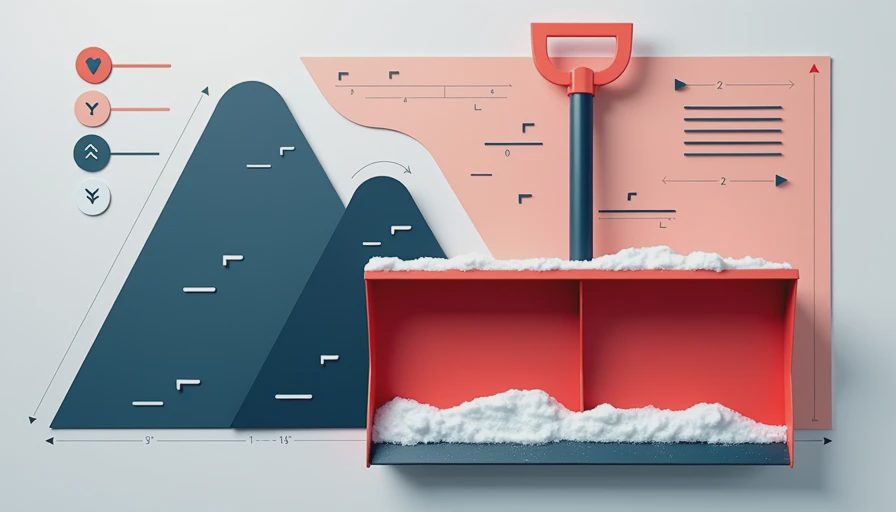
A straight plow blade cuts a path, but it dumps snow wherever the front tires throw it. A snow pusher is built to carry a load instead of just shoving it. The HLA 3500 snow pusher has tall sides, a curved moldboard, and a cutting edge that slides across the surface rather than digging in. I mounted mine on the loader of a compact Kubota and it clears a path wide enough for my F-350 and the cattle trailer in a single pass. Compared to the old trip-edge moldboard I used for years, this pusher moves more snow per run and leaves less behind, especially with the wet, heavy snow we get on the ranch in February.
What to Know Before You Mount It
The HLA 3500 snow pusher is not a universal fit. It requires a standard skid-steer quick attach or a tractor loader with the same mounting plate. Check the pin spacing and the lift capacity of your front loader before you buy. This pusher wants a machine with enough grunt to handle a full load of snow. My compact tractor with a 30-horsepower diesel handles it fine, but a tiny subcompact may struggle with the weight of the frame and a heavy wet load. Get the spec sheet before ordering. If you're not comfortable with the hookup, take it to a pro — no shame in that.
Setting It Up So Snow Doesn't Stick
Fresh snow is easy. Trouble starts when temperatures hover around freezing and the snow turns into slush that packs into the moldboard. The trick is to treat the inside of the pusher before the first storm. I wipe the face with a light coat of spray-on silicone or fluid film, and the snow slides right off. My grandfather taught me this trick — still works 40 years later. Next, set the cutting edge so it touches the surface evenly. Most pushers come with adjustable skid shoes. Set them for the surface you are clearing. Tight pavement means the shoes sit higher; gravel needs them lower so the blade does not catch rocks and drag stones across the drive.
Pushing Snow on Gravel and Dirt
On the ranch, most of my drive is gravel, and this is where a snow pusher earns its keep. A plow blade digs into the gravel and scatters it across the yard. The HLA 3500 snow pusher uses a rubber cutting edge that rides on the surface and carries the snow over it. I set the skids so the edge just kisses the high spots, and I lose a handful of stones per storm instead of a wheelbarrow load. On concrete around the shop, the pusher leaves a clean strip down to the pavement. It will move packed snow and slush without a problem, but it is not a scraper. Do not try to break up thick ice with it. Let the sun or a spreader full of salt do that first.

Maintenance Between Storms
Snow pushers take a beating, so a little care goes a long way. After every use, hose off the salt and mud before it sets up. Grease the pivot points on the quick attach and the push frame. Check the bolts that hold the cutting edge; I have had two of them work loose after a long push. Replace the rubber edge when it starts to tear, because a damaged edge leaves a thin layer of snow and can gouge the surface. Store the pusher under cover when it is not in use. The paint on these units is decent, but a wet moldboard will still get surface rust if it sits outside through a Texas summer.
What About UTVs and Subcompact Tractors?
This pusher is not made for a garden tractor. A UTV with a front-mount plow bracket can handle a smaller pusher, but you need the right hitch and enough weight on the machine. I use mine on a compact tractor, and a neighbor runs the same style on a full-size UTV with aftermarket push tubes. He keeps his speed low and lets the pusher do the work. On a subcompact tractor, pay attention to the loader's rated lift capacity; a full load of wet snow can surprise you. Match the pusher width to your machine's footprint. Too wide a pusher will strain your front end and push you sideways on slopes. When in doubt, go one size smaller.
Is This Snow Pusher Worth It?
Yes, if you clear enough snow to keep a dedicated attachment around. The HLA 3500 snow pusher costs less than a full hydraulic-angle plow setup, and it saves your back and your driveway. For a compact tractor, a UTV with a plow mount, or a small front loader, it turns a chore into a one-pass job. If you only push snow once a winter and all you have is a wide concrete parking lot, a basic straight pusher from a farm supply store may be enough. But if your drive is long, your gravel is loose, and you want a tool that will hold up for a decade of winters, this one earns its place in the shed. After two seasons it still looks and pushes like the day I bought it.