A guy brought in his truck last week after it pushed coolant onto the driveway during a cold morning. The radiator was full, but the mixture was too weak to protect the engine. In my shop, a coolant tester refractometer is one of the quickest ways to find that problem before a cracked radiator or frozen plug turns into a major repair. The same tool earns its place in my ranch toolbox, where tractors and UTVs sit outside through hot summers and occasional hard freezes.
A refractometer measures how light bends through a coolant sample. That reading tells you the approximate concentration of antifreeze and water, usually as freeze protection in degrees Fahrenheit or as a percentage. It is more precise than guessing from the color of the fluid, and it works with far less mess than some older testing methods.
Why a Refractometer Beats Guesswork
Coolant does not become reliable because it looks bright green, orange, or pink. Color comes from dye and chemistry, not from the actual freeze-protection level. A vehicle that has received repeated top-offs with plain water can look perfectly normal while carrying a dangerously weak mixture. On the other hand, adding too much antifreeze is not automatically better. Strong mixtures can transfer heat less effectively and cost more without improving protection.
A good coolant tester refractometer helps you check the actual condition before deciding what to drain or add. Most passenger vehicles use a 50/50 mixture of antifreeze and distilled water, which commonly provides freeze protection near minus 34 degrees Fahrenheit. Local conditions, the product label, and the equipment manufacturer's instructions still matter. Around San Antonio, freeze protection is usually not the same concern it is for a northern fleet, but an overnight cold snap can still catch an unprepared owner.
On the ranch, I use the same logic with a compact diesel tractor. A machine that runs only a few hours a month may have old coolant, a neglected overflow bottle, or a mixture changed by years of small top-offs. Testing takes minutes and can prevent a cracked block.
Shop Trick: My grandfather taught me this trick — still works 40 years later. Write the test result, coolant brand, and service date on a tag near the radiator support. The next person servicing the machine will know what is in it instead of making a blind guess.

How to Use a Coolant Tester Refractometer Safely
Start with a cold engine. Never remove a radiator cap or pressure cap from a hot vehicle. Hot coolant can spray with enough force to cause severe burns. Let the engine cool completely, wear safety glasses and chemical-resistant gloves, and keep pets and children away from the work area. Coolant is toxic and has a sweet smell that can attract animals.
Clean the refractometer's prism with a soft, lint-free cloth. Put one or two drops of coolant on the prism, close the cover, and hold the instrument toward a bright light. Look through the eyepiece and read the boundary line on the correct scale. Many tools include separate scales for ethylene glycol, propylene glycol, and windshield washer fluid, so use the scale that matches your sample and instrument instructions.
A coolant tester refractometer needs calibration before you trust its reading. Most models use distilled water for zero calibration, though the included instructions take priority. If the boundary does not line up with zero, turn the calibration screw carefully and recheck it. Wipe the prism clean after testing. A little dried coolant can distort the next result.
Take the sample from the radiator or a designated service point, not only from a dirty overflow bottle. The bottle can contain diluted fluid or sediment that does not represent the entire cooling system. If the coolant looks oily, rusty, muddy, or full of particles, stop treating this as a simple concentration check. That condition deserves a professional diagnosis.
Choosing the Right Tool for a Garage or Ranch
Entry-level optical refractometers often sell for roughly $20 to $40. They can be useful for occasional work on a pickup, mower, or compact tractor, provided the scale is clear and the tool can be calibrated. A better shop-grade model commonly costs $50 to $100 and may have improved optics, a sturdier body, and a case that protects it from the bottom of a toolbox.
Look for a model that specifically lists automotive antifreeze testing. Some inexpensive refractometers are designed for brewing, saltwater aquariums, or fruit juice. Those instruments measure different scales and are not automatically suitable for engine coolant. Brand names such as ATAGO, OTC, and Reichert appear in professional tool catalogs, while generic units can work for occasional use when their instructions are clear and their calibration is repeatable.
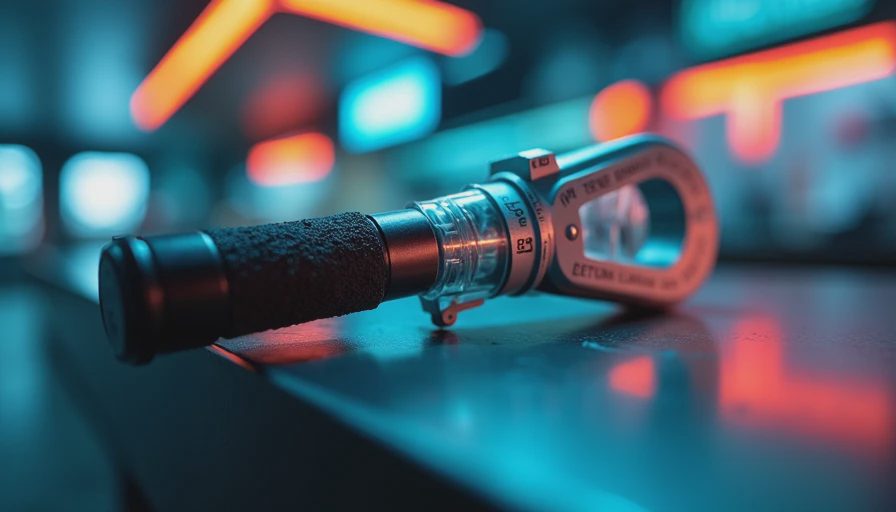
A digital coolant tester refractometer can be convenient in a busy service bay, especially when several technicians need the same reading. Digital models often cost more, need batteries, and still require cleaning and calibration. For my own truck and tractor work, a dependable optical model is usually enough. Simplicity matters when you are standing beside a tractor in July with dust in your boots.
Reading Results and Deciding What Comes Next
If the reading shows weak freeze protection, do not immediately pour in a random jug of concentrate. First determine whether the system is low, contaminated, or simply diluted. Check the owner's manual for the required coolant type and service interval. Mixing incompatible coolant chemistries can cause deposits, seal problems, or reduced corrosion protection, even when the freeze reading looks acceptable.
For a mildly weak mixture, a technician may calculate how much coolant to remove and replace with the correct concentrate. That calculation depends on system capacity and the current reading. Do not drain coolant onto soil or into a storm drain. Catch it in a sealed container and take it to a recycling or hazardous-waste collection point that accepts used antifreeze.
A reading that changes sharply between the radiator and overflow bottle, or a level that keeps falling, points to a larger issue. Possible causes include a leaking hose, radiator, water pump, thermostat housing, head gasket, or damaged cap. A refractometer cannot pressure-test a cooling system or confirm combustion gases. If the engine overheats, the coolant is contaminated, or you cannot identify the leak, take this to a pro. No shame in that.
A Simple Maintenance Routine That Saves Money
Test coolant when buying a used vehicle, before winter storage, and during a scheduled coolant service. I also test ranch equipment before a long mowing or hay season. Record the date, freeze-protection result, coolant type, and visible condition. That small record often reveals a slow decline before the temperature gauge gives a warning.
Pair the reading with a visual inspection of hoses, clamps, the radiator cap, belts, and the ground beneath the machine. A clean reading does not mean the rest of the cooling system is healthy. Look for crusty deposits around fittings and a sweet smell after driving. Never rely on the dashboard temperature gauge alone; many engines can develop serious trouble before the gauge moves noticeably.
My grandfather taught me this trick — still works 40 years later: spend five minutes measuring before spending hundreds of dollars replacing parts. A quality coolant tester refractometer will not replace sound diagnosis, but it gives you useful evidence quickly. For a careful DIY owner, it is an affordable tool that protects cars, tractors, and the money it takes to keep both running.