A guy brought in his zero-turn mower last week because the deck would run fine for five minutes and then stop. He was ready to blame the engine. I checked the PTO clutch and found it was overheating. That's a common failure, and it tells me a lot of customers never got a straight answer on what is PTO on a mower before buying one. The acronym gets thrown around in every mower spec sheet, but the part itself is simple. It's the mechanical connection that transfers engine power to the blades. Let's walk through it the way I would if you were standing at my shop bench in San Antonio.
PTO stands for power take-off. On a tractor, it's been around for over a hundred years. On a riding mower or zero-turn, the PTO does one main job: it spins the cutting deck. When you pull the blade engage switch, you're turning on the PTO. The engine keeps running, but power is routed through a clutch or a shaft to spin the spindles under the deck. If the PTO isn't working, the engine might sound perfect and the mower still won't cut a single blade of grass. That's why understanding this part matters.
Two Common PTO Systems on Mowers
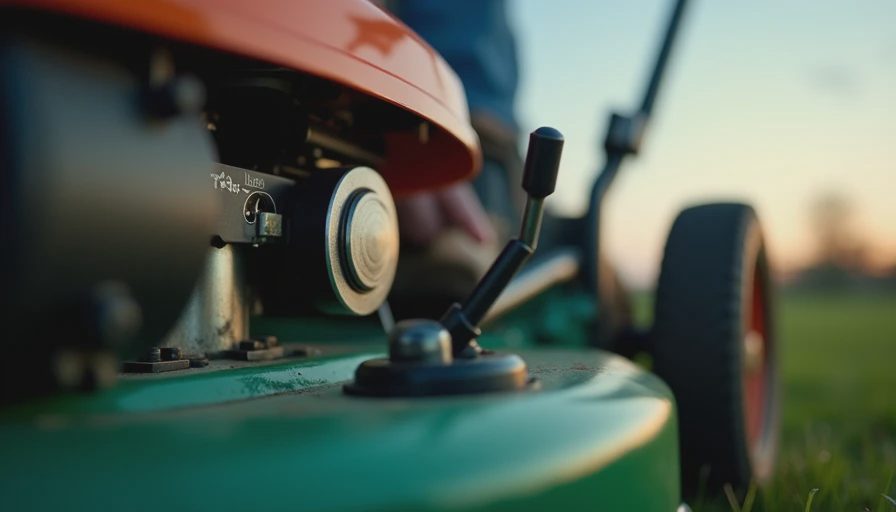
There are two basic ways mowers deliver PTO power. The first is a mechanical shaft drive, common on compact tractors. A splined shaft connects directly to the implement. The second is an electric PTO clutch, the setup on most residential riding mowers and many zero-turns. A coil of wire sits inside a clutch assembly bolted to the engine's crankshaft. When you flip the switch, electricity energizes the coil, which draws a friction plate tight and spins the belt that runs the deck.
Some commercial mowers use a live PTO, which lets you engage the blades without stopping the mower's ground speed. Others use a manual lever, like older John Deere models. Regardless of the style, the PTO must transmit enough torque to spin heavy blades at thousands of RPM. That's why the belt, pulleys, and spindles all have to be in good shape. A worn belt will slip, and a slipping belt will generate heat that damages the clutch. If you're shopping for a new mower, ask about the PTO setup. Some entry-level mowers have less robust clutches, and that's where you'll see failures.
Troubleshooting Your Mower's PTO
If your deck stops engaging, don't start pulling the engine apart. Check the easy stuff first. Most mowers have safety interlocks that won't let the PTO turn on unless the seat is occupied, the brake is set, and the blade switch is in the right position. Next, listen for a click when you pull the PTO switch. A click means the clutch is getting power. No click means the power isn't reaching the coil. Check the fuse, the wiring harness, and the switch itself. Also check the battery. A weak battery or corroded terminals can make an electric PTO slip because it needs full voltage.
A guy told me last week that his mower's PTO wouldn't engage. Turned out the ground wire behind the dash was loose. Five minutes of work, no parts. That kind of fix is easy. But if you hear grinding or squealing from under the deck, stop using the mower. That could be a spindle bearing or a belt tensioner, and running it that way can bend the crankshaft. At that point, the PTO might just be a symptom, not the cause.
PTO Maintenance That Saves You Money
PTO problems usually come from neglect. Clean the underside of the deck regularly. Wet grass and clippings add drag, which makes the clutch work harder and run hotter. Check the belt condition at the start of every season. Look for cracking, glazing, or a slack tensioner. Replace a worn belt before it snaps — a snap can wrap around the PTO clutch and damage the coil or the wiring. Also check the clutch air gap. On most electric PTOs, the gap between the rotor and the friction plate should be about 0.010 to 0.020 inches. If the gap grows too wide, the clutch slips. If you're still figuring out what is PTO on a mower, think of it this way: it's the handshake between the engine and the cutting deck.
My grandfather taught me this trick — still works 40 years later. Engage the PTO at low idle instead of wide-open throttle. It sounds like a small thing, but it dramatically reduces the shock load on the clutch, the belt, and the spindles. I do it on every mower I own, and I tell customers to do the same. You'll also get smoother starts and less strain on the engine.
When to Take PTO Problems to a Pro
Some PTO repairs are beyond the average driveway mechanic. Replacing an electric clutch means pulling the belt, removing the center bolt from the crankshaft, and often using a puller. A seized bolt can lead to stripped threads in the crankshaft, and that's a big repair. If you don't have a torque wrench and a proper puller, take it to a pro. No shame in that. Same goes for rear PTO shafts on compact tractors — if the splines are worn or the shaft won't engage, the problem might be a damaged transmission case. That's not a driveway fix.
Now that you know what is PTO on a mower, you can make smart decisions. Check the simple things first, keep the belt and clutch clean, and engage at low idle. A little routine care will keep the blades spinning through the whole season. And if something does fail, you'll be able to describe the problem better to your local mechanic — which saves everyone time.