A customer stopped by the shop last week and asked me straight: Can you put a backhoe on any tractor? I hear that question at least once a month, usually from a property owner who has watched too many digging videos and wants the same capability. The honest short answer is no. You cannot mount a backhoe on every tractor ever built. But you can put one on a whole lot of compact utility tractors if they have the right frame, the right hydraulics, and a proper subframe or mounting kit.
The Short Answer: No, but Most Compact Utilities Qualify
So can you put a backhoe on any tractor? No, not even close. The list of tractors that can take one is longer than people expect. A compact utility tractor from Kubota, John Deere, Mahindra, New Holland, Case, or Massey Ferguson with 20 to 50 horsepower can handle a backhoe if the manufacturer offers a mounting kit for that exact model. Even some older Ford and Yanmar compacts have aftermarket subframe kits. The key is a solid frame to bolt to and enough hydraulic flow. A garden tractor with a stamped steel axle is not that tractor.
The Two Ways a Backhoe Hooks Up
There are two mounting styles. A subframe bolts under the tractor and ties into the engine block, transmission, or axle housings, and the backhoe mounts to that subframe. That is the factory-style setup used by Kubota and John Deere, and it spreads the digging load across the whole machine. A three-point backhoe connects to the same lift arms you use for a box blade. It is cheaper to buy, but it puts stress on the rear axle and lift arms. Hit a rock and something has to give, and it is usually not the dirt.
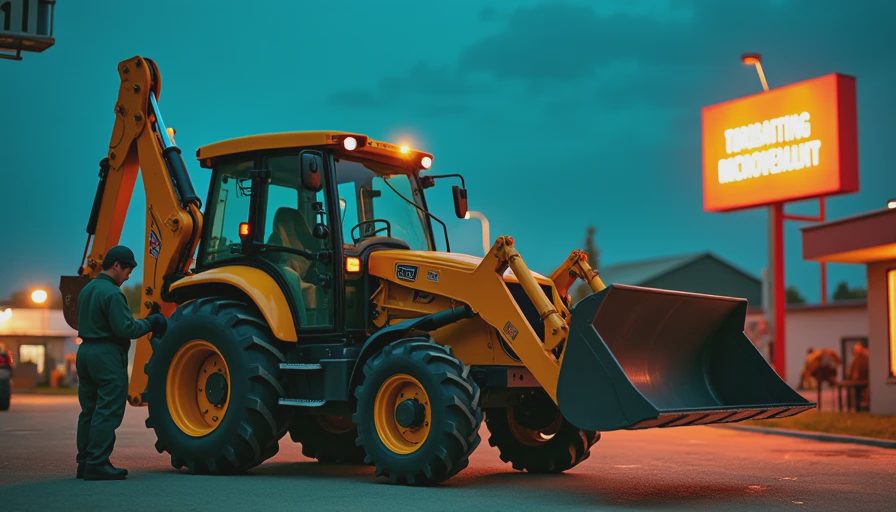
Subframe is the route I trust for serious digging. If the backhoe maker lists a mounting kit for your exact tractor, buy that kit. If it says universal, consider that a red flag until a professional checks it. Shop Trick: My grandfather taught me this trick, still works 40 years later. Check the manufacturer's compatibility list before you ever hand over money. A backhoe is not a hay rake; the mount has to be right.
Hydraulics, Horsepower, and Weight: The Specs That Matter
Before you buy, check hydraulic flow. Backhoes need oil moving through the system to run the boom, dipper, and swing. A small backhoe might want 6 to 8 gallons per minute; a bigger frame-mounted unit wants 10 to 12 GPM. If your tractor only puts out 4 GPM, the backhoe will crawl, run hot, and make you miserable. Horsepower matters, but less than people think. A 25 horsepower compact tractor can handle a light backhoe if the pump has enough flow. Weight also matters. The backhoe adds hundreds of pounds to the rear, so many owners add front weights or keep the loader on to balance the rig. The manufacturer's minimum tractor weight spec exists for a reason. If you are shopping for a used backhoe, take the tractor's hydraulic flow numbers with you, not just the model name.

What Bad Mounting Does to a Tractor
I have seen the damage. A customer bought a cheap auction backhoe, bolted it to his tractor with angle iron, and cracked the transmission housing on the second ditch. The repair estimate was over twice what a proper subframe kit would cost, and the tractor sat for weeks. The safety side is worse. A backhoe that is not tied into the frame can shift, drop, or swing free. If someone is standing near the rear wheels, that is a trip to the hospital. That is why I do not recommend DIY subframe mounts. If you are not sure your brackets are right, take it to a pro. No shame in that. A proper subframe kit may cost a few thousand dollars, but it is a lot cheaper than a new transmission. Treat the mount as part of the tractor's safety system, not as an accessory.
The Checklist I Give Every Tractor Owner
Before you buy, go through this in order. First, look up your exact tractor model in the backhoe manufacturer's compatibility list. If it is not listed, assume no. Second, confirm the hydraulic flow in gallons per minute using your operator's manual. Third, compare your tractor's weight to the backhoe's minimum weight requirement. Fourth, see if the tractor brand sells a factory subframe kit for your model. Factory kits cost more but keep warranty coverage and fit correctly. Fifth, if you only have one project, rent a mini excavator before you buy. A compact backhoe with a subframe can cost $4,000 to $8,000 installed. A mini excavator rental runs a few hundred dollars per day. Sometimes that one weekend tells you everything.
So, Can You Put a Backhoe on Any Tractor?
No. But if you have the right compact utility tractor, the right hydraulic flow, and a proper subframe, a backhoe can be the most useful attachment you ever own. Do the homework first, rent if you are unsure, and buy the mount that fits your exact machine. That is the same advice my grandfather gave his customers in 1988, and it has not changed since.