A guy brought in his truck last week, and while we were talking in the lot he mentioned his compact tractor was riding rough, spinning more than usual, and leaving deeper marks in soft ground. Nine times out of ten, **tractor tire pressure and care** is where that story starts. Folks will change filters on schedule, grease fittings like clockwork, then ignore the only part of the machine touching the ground. On a ranch or small property, that costs you traction, fuel, and tire life faster than most people realize.
I treat tractor tires the same way I treat tires on a work truck: they are wear items, but they should not wear out early from neglect. Good pressure, regular inspection, and smart storage can stretch a set of tires for years. It is not complicated, but it does require consistency.
Why the right tire pressure matters more on a tractor
On a pickup, a few pounds off might give you uneven wear or a softer ride. On a tractor, the wrong pressure changes how the machine works. Too much air shrinks the contact patch, reduces traction, and can make the tractor bounce when pulling an implement. Too little air lets the sidewalls flex too much, builds heat, and can lead to bead issues, cracked sidewalls, or damage under heavier loads.
There is also the soil side of the equation. Overinflated tires concentrate weight into a smaller footprint, which can increase ground compaction. That matters if you are mowing pasture, working a garden plot, or running through softer areas after rain. Lower pressure is not always better, though. You still need enough pressure to safely support the tractor, loader, and any attachment.
My grandfather taught me this trick — still works 40 years later. Look at the whole job before you touch the air chuck. A tractor carrying a front loader full of gravel needs a different mindset than one pulling a light finish mower.
How to check PSI the right way
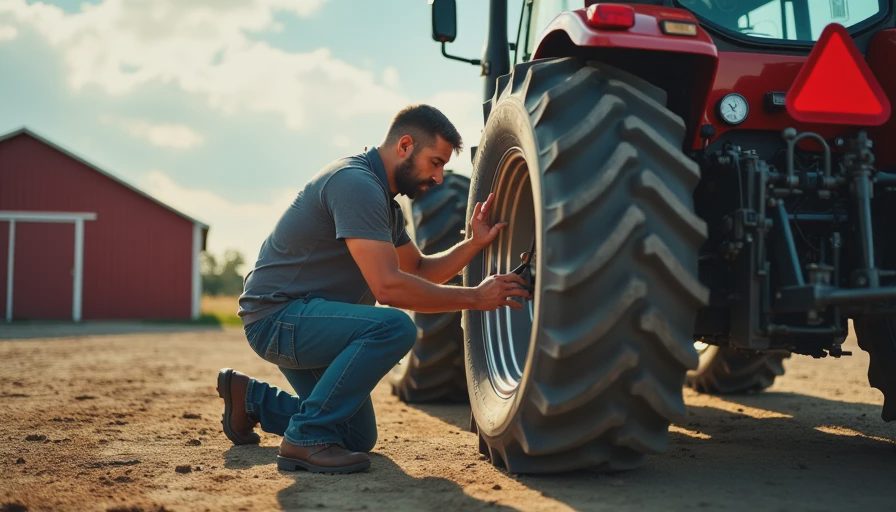
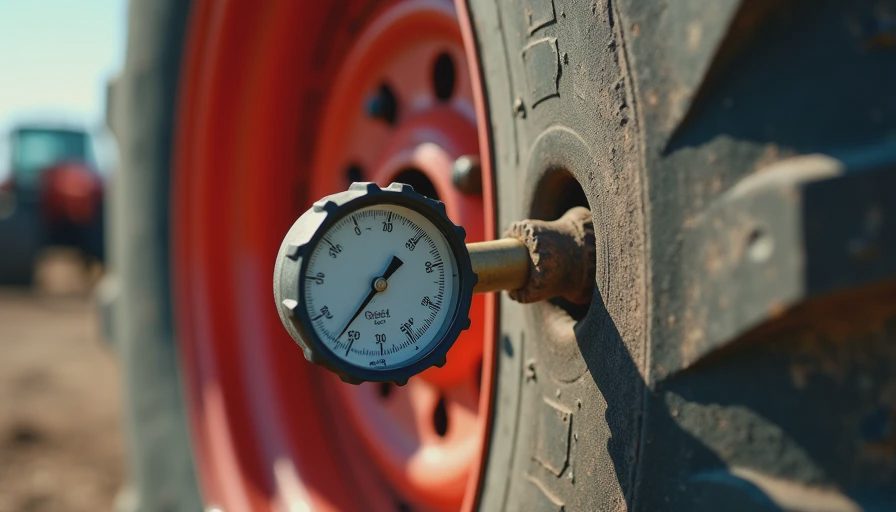
The biggest mistake I see is people guessing by eye. Tractor tires can look a little squat and still be perfectly normal, especially larger rears. Use a quality low-pressure gauge, not the same pencil gauge you keep for a half-ton pickup. Many tractor tires run in pressure ranges where accuracy matters, and cheap gauges can be way off.
Check pressure when the tires are cold, preferably before the tractor has been worked that day. Use the tire manufacturer guidance and the tractor manual together. If the machine has loaded rear tires, a front-end loader, or heavy rear attachments, account for that. Front and rear tires often need very different PSI.
Shop Trick: write your normal working pressures on a tag in the shop or inside the tractor shed. If you run one setup for mowing and another for loader work, note both. That saves guessing and keeps anyone else using the tractor from airing them up like highway tires.
If pressure keeps dropping, do not just keep adding air. Look for a valve stem leak, bead leak, puncture, or weather cracking. A slow leak that gets ignored can ruin a tire long before the tread is actually worn.
What to inspect besides air pressure
Good **tractor tire pressure and care** means more than checking PSI once in spring. Walk around the machine and inspect the tread bars, sidewalls, valve stems, and wheel hardware. Cuts in the lugs, stubble damage, weather checking, and chunks missing from the tread all tell you something about where and how the tractor is being used.
Pay close attention to sidewall cracking. Sun, heat, and long periods of sitting will age tractor tires even if the tread still looks decent. If cords are visible, a bulge appears, or the bead area looks damaged, take it to a pro. No shame in that. A failed tractor tire under load is not something to gamble with.
Also look for uneven wear that points to a bigger issue. If fronts are scrubbing badly, you may be spending a lot of time on hard surfaces with four-wheel drive engaged when it is not needed. If one tire is wearing differently than the other, check alignment-related components, wheel bearings, or inflation mismatch.
Matching pressure to the job and terrain
This is where common sense beats habit. A tractor that spends the week on dry pasture and the weekend carrying pallets with forks is doing two different jobs. Tire pressure should match the work. For field traction and a smoother ride over rough ground, you usually want to stay within the lower end of the approved range. For heavier loader work or transport with more weight, you may need to be higher within that range.
If you swap between implements often, keep a notebook in the cab or toolbox. Record what pressure worked well with the box blade, rotary cutter, or hay spear. Over time you will learn what your machine likes.
One more thing: avoid long road runs at field pressures unless your tire and load setup supports it. Heat and wear build faster on pavement. The same tractor tire that works beautifully in dirt can scrub down quicker on caliche roads or blacktop if inflation is too low for the load.
Brands like Titan, Firestone, BKT, Carlisle, and Michelin all offer different tread designs and load characteristics, so do not assume one PSI fits every tire just because the sizes match.
Storage, ballast, and habits that extend tire life
Some of the best tire care happens when the tractor is parked. Keep it under cover if you can. UV exposure and heat are hard on rubber, especially in Texas and the Southwest. If the tractor sits for long stretches, move it occasionally so one section of tire is not carrying the load month after month.
Ballast matters too. Proper rear ballast when using a loader helps weight distribution and reduces stress on the front tires. That can mean loaded tires, wheel weights, or a rear implement, depending on the machine and the job. If you are not sure what your tractor needs, take it to a pro or ask your dealer's service department for setup guidance.
Clean off oil, fuel, and chemical spills when they happen. Petroleum products can damage rubber over time. And do not forget valve caps. They are cheap, but they keep dirt and moisture out of the valve core.
When tire care saves real money
A new set of tractor tires is not cheap. Depending on size and brand, even one replacement rear can run a few hundred dollars, and larger agricultural tires can go much higher. That is why **tractor tire pressure and care** is one of the highest-value maintenance habits you can build. A five-minute pressure check can help you avoid premature wear, poor traction, extra fuel burn, and downtime right when you need the machine.
If you use your tractor to make money or simply keep your property in shape, start with a monthly tire walk-around and pressure check. Keep a good gauge, valve tool, and air source handy. Build the habit before busy season hits.
Good tires make every job easier. And like we say around the shop, the cheapest repair is the one you never have to make.