A guy at the feed store asked me last fall how to maintain a combine harvester without turning harvest week into repair week. That question hits home. In my shop, I work on pickups all day, then head out to the ranch and deal with equipment that never seems to break on a convenient schedule. A combine is no different. It is a big, hard-working machine with a lot of moving parts, and small neglect turns into expensive downtime fast. The good news is that solid routine care keeps most common problems from sneaking up on you.
Start With a Daily Walkaround Before You Fire It Up
If you want the short answer on how to maintain a combine harvester, it starts before the engine even cranks. Do a slow walkaround every day during harvest. Look under the machine for fresh oil, coolant, hydraulic fluid, or fuel leaks. Check tires or tracks for cuts, low pressure, and stubble damage. Open service panels and look for loose belts, cracked hoses, rubbed wiring, and dust packed around hot components.
Pay close attention to feeder house chains, gathering components, and guards. If something looks shiny where it should not, that often means metal is rubbing where it does not belong. Listen for chirping bearings or squealing belts when the machine starts. Those sounds are early warnings, and early warnings are cheap.
Shop Trick: keep a grease rag and flashlight in the cab. My grandfather taught me this trick — still works 40 years later. A five-minute inspection with good light beats a five-hour field repair in the heat.
Also clean off crop residue from engine compartments and hot areas. Combines carry dust and dry plant material everywhere, and that is a real fire risk. No harvest is worth gambling with safety.
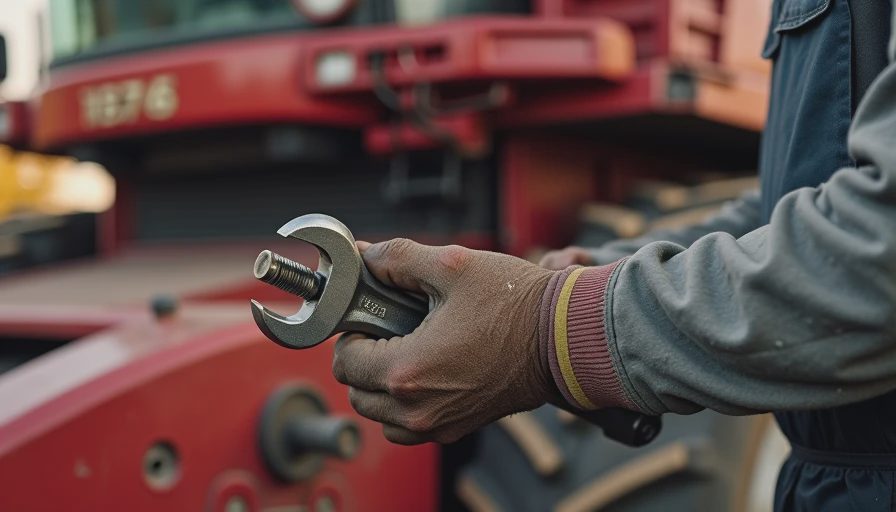
Stay Ahead of Engine, Fluids, and Filters
The engine is the heart of the machine, so basic service matters more than fancy add-ons. Check engine oil daily and change it at the interval listed in the operator's manual. The same goes for hydraulic oil, coolant, final drive fluids, and gearboxes. Running low on hydraulic fluid can cause sluggish header response and damage expensive pumps. Dirty oil shortens engine life, plain and simple.
Fuel quality matters too. Water in diesel is a common troublemaker on farm equipment that sits between seasons. Drain the water separator, replace fuel filters on schedule, and keep fuel stored clean. If the machine has been sitting a while, inspect the tank for contamination before harvest starts.
Airflow is just as important. Clean or replace engine air filters and radiator screens as needed, sometimes daily in dusty crops. An overheating diesel can lose power fast and turn a manageable day into a tow bill.
If you are not comfortable bleeding a fuel system, diagnosing overheating, or chasing hydraulic contamination, take it to a pro. No shame in that. A wrong move on modern diesel equipment gets expensive in a hurry.
Grease Points, Chains, Belts, and Bearings Need a Schedule
A lot of folks asking how to maintain a combine harvester are really asking how to avoid the little failures that shut down the whole machine. This is where lubrication and drive component care earn their keep. Follow the grease schedule exactly. Not close. Exactly. Some zerks need daily attention, some every few days, and some at longer service intervals.
Inspect chains for proper tension, rust, stiff links, and side wear. A dry chain can stretch, jump, and tear up sprockets. Belts should be checked for glazing, cracks, frayed edges, and correct tension. Too loose and they slip. Too tight and they punish bearings.
Bearings deserve extra respect. Feel for excess heat after operation and listen for roughness. A failing bearing often gives you a little warning before it comes apart, but not always much. During preseason service, spin accessible components by hand and check for wobble or grinding.
Keep spare belts, a few common bearings, chain links, and basic tools on hand. That is not overkill. That is field survival.
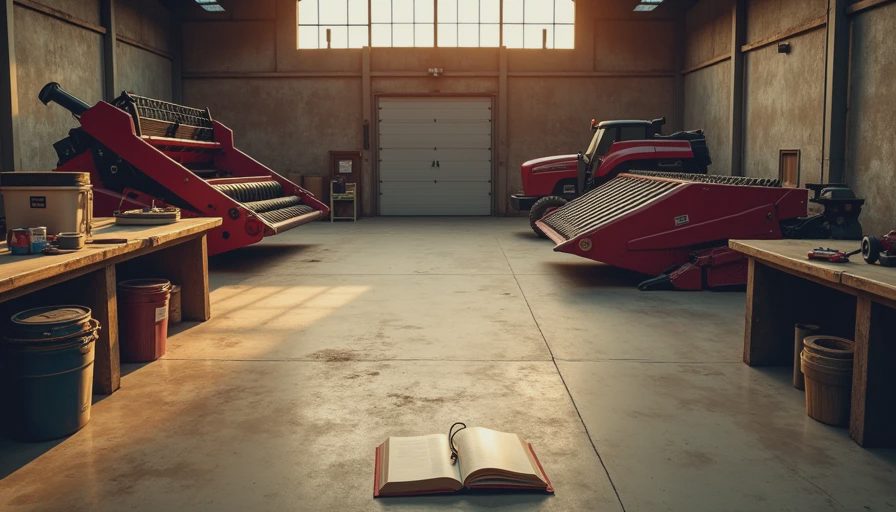
Clean the Harvesting System So Crop Flow Stays Smooth
A combine can have a healthy engine and still do a poor job if the crop-handling side is neglected. Inspect the header, reel, knife sections, augers, feeder house, threshing components, sieves, walkers or rotor area, and unloading system. Worn cutting parts make the whole machine work harder. Dull knife sections, bent guards, and damaged auger flighting slow feeding and increase losses.
Inside the machine, watch for buildup and wear that affect crop flow. Plugging rarely happens out of nowhere. Usually the machine has been trying to tell you something through vibration, uneven feeding, or increased grain loss. Adjust chains, replace worn parts, and keep moving areas clean so residue does not harden into a problem.
Pay attention to grain tank and unloading auger condition too. Cracks, thin metal, and flighting wear can sneak up over a season. If you see structural cracks, major drive issues, or rotor damage, that is professional repair territory. Heavy rotating parts are not where you guess your way through.
Do a Real Preseason and End-of-Season Service
The best answer to how to maintain a combine harvester is to think in seasons, not just days. Before harvest, go beyond the quick checks. Change due fluids and filters, test batteries, inspect lights, calibrate monitors if equipped, and run the machine long enough to spot leaks or vibration before you hit the field. Replace marginal parts now, not when weather is closing in and labor is waiting.
At the end of season, clean the combine thoroughly. Blow out dust, remove trapped residue, wash where appropriate, and let everything dry. Then inspect for damage while the season is fresh in your mind. Touch up bare metal, grease fittings, top off fluids if the manual recommends it, and store the machine under cover if possible. Rodents love wiring and upholstery, so use deterrents and check the cab before startup months later.
A clean, documented machine sells better too. If you keep a notebook or app with service dates, belt changes, bearing replacements, and filter numbers, you will save yourself time every season.
Know When Maintenance Saves Money and When Delay Costs You
Combines are expensive enough that a little discipline pays back fast. A couple of filters, some grease, and a belt changed on your schedule are always cheaper than lost harvest time. That is the practical side of how to maintain a combine harvester: inspect it, clean it, lubricate it, service it on time, and do not ignore new noises.
From John Deere to Case IH, New Holland, and Massey Ferguson machines, the principle stays the same even if the service points move around. Read the manual, keep common wear parts in stock, and never skip safety lockouts before working around moving components.
If you want fewer breakdowns this season, start with the daily walkaround and build from there. That kind of habit has kept shop trucks, tractors, and ranch equipment alive in my family for decades.