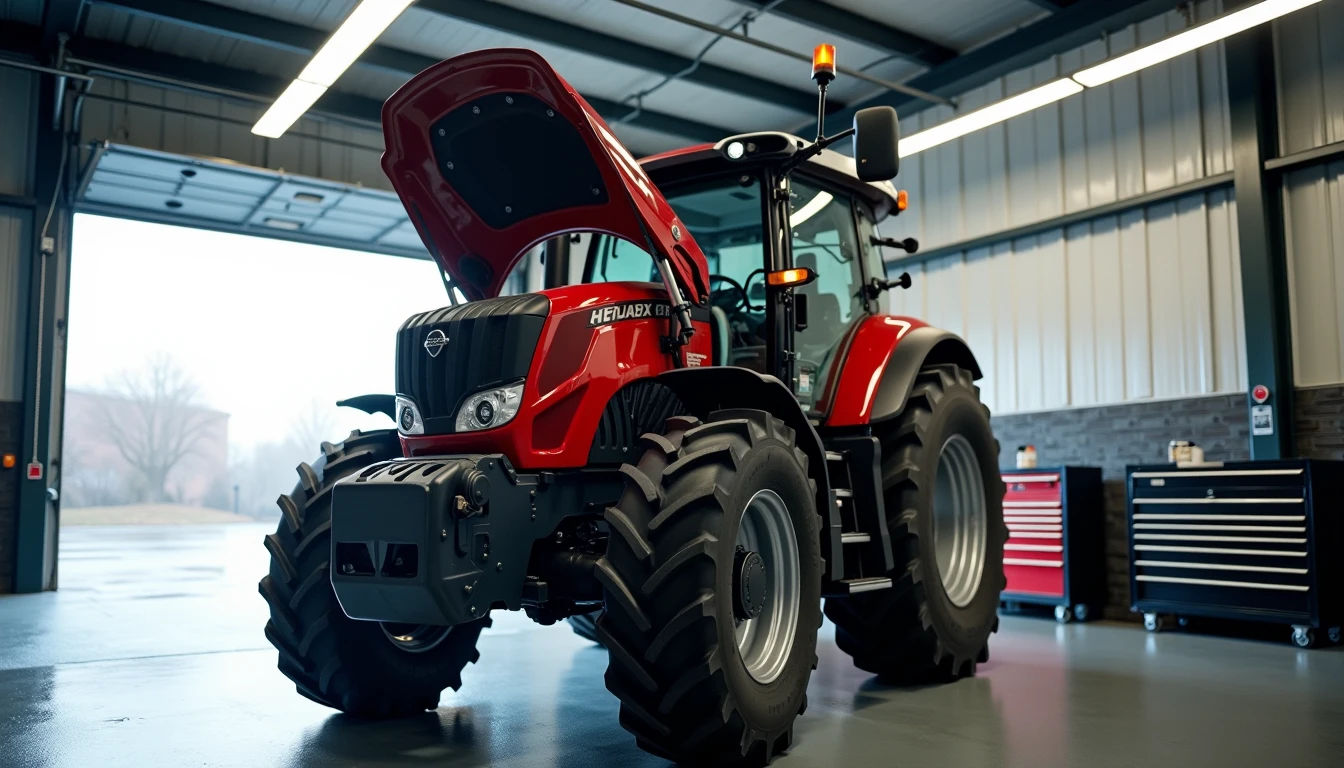
Tractor Preventive Maintenance That Protects Uptime and Reduces Costly Failures
The Big Picture
A guy brought in his tractor last week that “ran fine yesterday” and wouldn’t crank today. Same story I’ve heard in the auto shop since my granddad opened our doors back in ’88: small skips in routine maintenance turn into big downtime at the worst possible time. For fleet managers and maintenance supervisors running agricultural tractors across multiple sites, the business impact is straightforward—strong preventive maintenance schedules reduce unplanned failures, protect uptime, and help control total cost of ownership.
The Snyder’s Tractor & Equipment guide reinforces a reality every equipment operation lives with: tractors are reliable machines, but only when basic service items are treated like mission-critical components. Engine lubrication, clean air intake, tire condition, battery health, and fluid management are the difference between predictable operating windows and emergency work orders.
Key Details
The source breaks tractor maintenance into a practical checklist you can map directly into an inspection program:
- Engine oil changes: Regularly check and change engine oil to ensure smooth operation and prevent wear. From an operations standpoint, this is your first line of defense against accelerated engine wear that drives down mean time between failures.
- Air filter replacement: Maintain engine efficiency by replacing clogged air filters as needed. A restricted air filter is a quiet performance and fuel-efficiency killer, and it can contribute to poor running that operators often misreport as “fuel issues.”
- Tire inspection: Check tire pressure and tread regularly to support stability and safety. This is not just ride quality—poor tire condition affects traction, handling, and operational safety on slopes, soft ground, and during towing.
- Battery maintenance: Clean terminals and check charge to prevent starting issues. Many “no-start” events are avoidable with basic terminal hygiene and charge checks.
- Fluid levels: Regularly check coolant, hydraulic, and transmission fluid levels to prevent overheating and mechanical failures. These checks are foundational to keeping powertrain and implement systems stable under load.
The guide also calls out lifecycle practices that matter for asset longevity:
- Regular cleaning to reduce rust and corrosion.
- Proper storage in a dry, sheltered area to protect from the elements.
- Scheduled servicing to catch issues before they become major problems.
- Use quality parts and fluids recommended by experts.
From a fleet decision-maker’s perspective, these aren’t “nice-to-haves.” They’re controllable inputs to uptime and repair cost variability.
Troubleshooting signals the source highlights
Snyder’s also focuses on three common failure categories and first checks:
- Starting problems: Check battery charge and connections; verify the fuel system is free of blockages.
- Overheating: Look for low coolant levels or a clogged radiator; inspect and maintain these components regularly.
- Hydraulic failures: Check hydraulic fluid level and look for leaks in hoses and connections.
Operational Impact
For maintenance supervisors managing mixed operators and multiple tractors, the operational win is standardization: the tasks above translate cleanly into daily/weekly walkarounds and monthly/seasonal preventive maintenance schedules.
Building a practical PM schedule
Use the source’s list to structure a simple program:
- Pre-shift or daily checks: Fluid levels (coolant, hydraulic, transmission), quick tire walkaround (pressure condition and visible damage), and a visual scan for leaks.
- Weekly checks: Battery terminals (corrosion/loose connections), more thorough tire inspection (tread and condition), and a quick air-intake check.
- Planned service events: Oil changes and air filter replacement “as needed,” tracked via your internal service plan and operator feedback.
Even without OEM interval data in the source, the takeaway is clear: consistency beats heroics. A predictable inspection cadence reduces the number of surprises that turn into urgent repairs and missed work.
Downtime reduction through early detection
The troubleshooting section is especially useful for improving first-time fix rates:
- No-start calls: battery charge and connection checks should be your first dispatch instruction before parts swapping.
- Overheat events: low coolant and clogged radiators are simple checks that can prevent repeat overheating and secondary damage.
- Hydraulic complaints: low fluid and hose/connection leaks should be verified before assuming pump or valve failure.
This is where fleet managers see the “so what”: fewer unnecessary parts orders, faster triage, and less equipment stranded in the field.
Safety and capability considerations
Tire condition and stability checks in the source tie directly to safe operation. While the article does not cite specific OSHA or SAE requirements, the maintenance practices align with core safety principles: keeping machines stable, preventing failures that can create hazardous conditions, and ensuring equipment performs predictably under load.
Shop Trick (three generations): My grandfather taught me to treat fluid checks like checking the water trough on the ranch—if you only look when something’s already wrong, you’re behind. Build fluid-level checks into the same routine every time (same spot, same order), and you’ll catch leaks and consumption trends early. If you find recurring low coolant, recurring hydraulic loss, or repeated overheating, take it to a pro—those patterns often point to issues beyond basic DIY service.
What to Watch
The guide emphasizes “use quality parts and fluids recommended by experts,” which matters when procurement teams are weighing OEM-equivalent parts and fluids versus budget alternatives. While the source does not quantify performance differences, it does set a clear operational priority: protect longevity and avoid preventable failures by not cutting corners on consumables.
Also note the operational environment factors highlighted indirectly through cleaning and storage:
- If equipment is exposed to weather, corrosion risk rises, and electrical and cooling-system issues tend to show up more often.
- If tractors run in dusty conditions, air filter condition becomes a higher-frequency inspection item to protect engine efficiency.
Bottom Line
If you manage tractors as working assets—not weekend machines—use Snyder’s checklist as the baseline for a standardized preventive maintenance schedule: oil service, air filtration, tire condition, battery health, and coolant/hydraulic/transmission fluid checks. Pair that with regular cleaning, dry storage, and scheduled servicing to push failures out of peak season and improve uptime. For recurring no-starts, overheating, or hydraulic issues, escalate to professional service rather than guessing—fast, correct diagnosis is cheaper than repeat downtime.