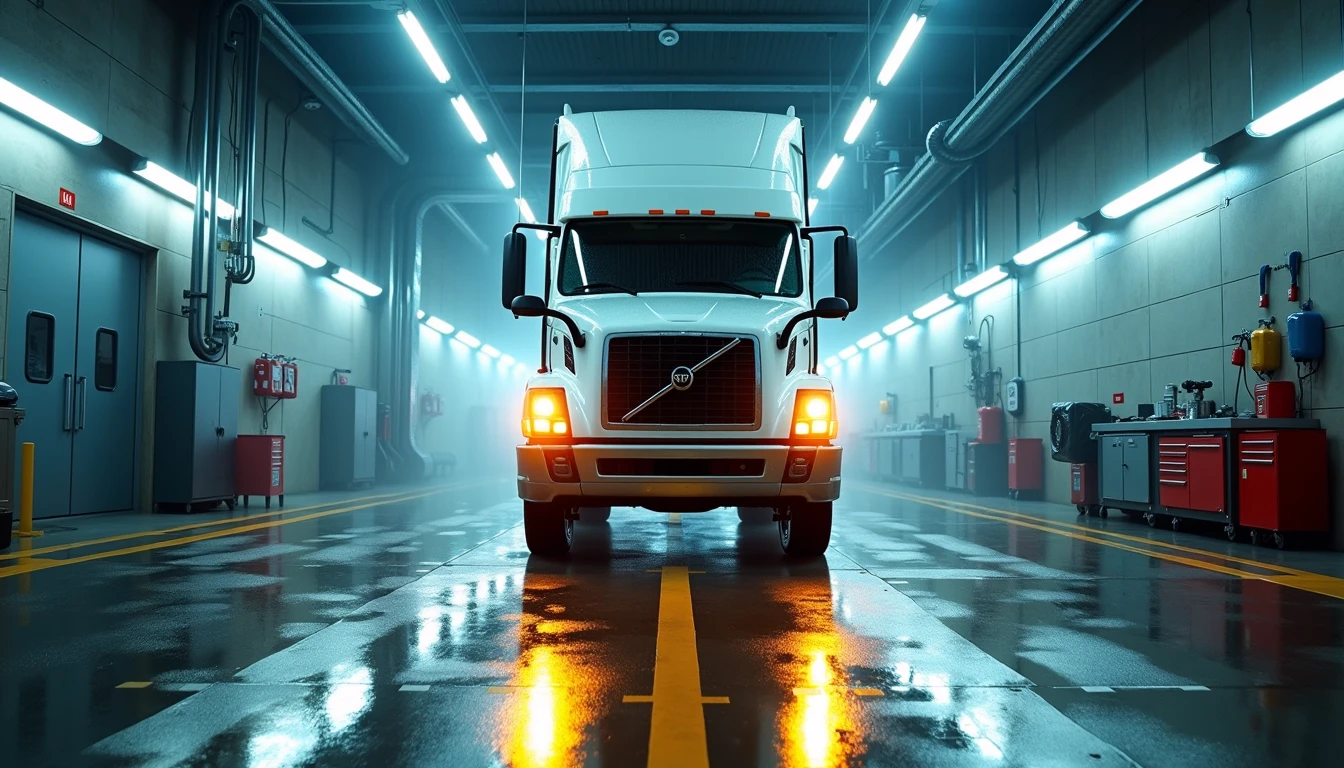
Fleet Safety Protocols: Mitigating Risk and Ensuring Compliance in Maintenance Operations
The Big Picture
Maintenance facility safety is a critical determinant of operational continuity, regulatory compliance, and total cost of ownership (TCO). Incidents within the shop environment directly impact fleet uptime through worker injuries, equipment damage, and potential regulatory shutdowns. For fleet managers and maintenance supervisors, the integrity of the repair process is inseparable from the safety of the workspace. Data indicates that structured safety protocols, particularly those reinforced by standardized technician certification, correlate with reduced repair errors and fewer workplace accidents. The National Institute for Automotive Service Excellence (ASE) reports that certified technicians are less likely to cut corners, misdiagnose problems, or utilize worn parts, all of which contribute to a safer working environment and higher quality maintenance outcomes. Investing in a qualified workforce and rigorous safety standards minimizes liability, protects assets, and ensures consistent equipment availability.
Key Details
Effective safety management requires a comprehensive framework addressing personal protective equipment (PPE), housekeeping, lifting protocols, fire prevention, and hazardous material handling.
Personal Protective Equipment: Technicians must utilize appropriate PPE to mitigate exposure to heavy equipment, sharp tools, chemicals, and noise. Essential gear includes gloves to protect skin against harsh chemicals, steel-toe shoes or boots to prevent impact injuries from heavy equipment, and safety goggles to shield eyes from dust and debris. Hearing protection is mandatory in high-noise environments. Additional protections may include face masks for paint operations, high-visibility clothing, and coveralls.
Housekeeping and Workspace Management: Cluttered work areas increase the risk of trips, falls, and slips. Tools must be stored in designated locations rather than left on the ground, ensuring walkways remain clear. Immediate cleanup of oil and fluid spills is critical to prevent slip hazards. Maintaining a clean and clear workspace is a fundamental requirement for operational efficiency and injury prevention.
Lifting and Support Equipment: When working under vehicles, the use of proper support equipment is imperative. Hydraulic lifts, jack stands, and wheel chocks must be employed to secure vehicles. Regular inspection of these tools is required to verify functionality and integrity before use. Failure to use or inspect lifting equipment can lead to catastrophic vehicle drops and severe injuries.
Fire Safety: Garages contain flammable and combustible fluids, including gasoline and diesel. Smoking is prohibited in and near garages to prevent fires and explosions. Personnel must be aware of the location of fire extinguishers at all times to respond effectively to fire incidents.
Chemical Storage and Disposal: Proper handling of chemicals is essential to prevent injuries and environmental harm. Storage and disposal must adhere to local, state, and federal regulations. Dumping automotive fluids on the ground, into drains, or into septic systems is strictly prohibited. Compliance with environmental regulations is mandatory to avoid penalties and ecological damage.
Operational Impact
The implementation of rigorous safety standards and technician certification directly influences fleet performance metrics. A workforce trained to high standards reduces the mean time between failures (MTBF) by ensuring repairs are performed correctly the first time. ASE-certified mechanics are less prone to misdiagnosing problems or using worn parts, which can lead to premature component failure and unplanned downtime. This reduction in repair errors translates to lower labor costs per repair and improved fleet reliability.
Furthermore, compliance with safety protocols minimizes the risk of OSHA violations and EPA citations related to improper chemical disposal. Non-compliance can result in significant fines, legal liability, and operational disruptions. The emphasis on proper lifting equipment inspection and PPE usage reduces the likelihood of recordable injuries, thereby lowering workers' compensation costs and maintaining labor availability.
ASE certification serves as a benchmark for technical proficiency. Eligibility requires a two-year associate degree in Automotive Technology or Diesel Technology combined with one year of on-the-job training, or equivalent hands-on experience. This rigorous qualification process ensures technicians possess the knowledge to repair and maintain vehicles properly, directly contributing to a safer working environment and higher quality maintenance outcomes. Fleet managers should prioritize ASE certification when evaluating maintenance personnel to ensure alignment with industry safety and quality standards.
What to Watch
Fleet managers must monitor evolving regulatory requirements and technological shifts in maintenance safety. The source highlights the importance of high-voltage electrical safety certifications. As fleets increasingly adopt electric vehicles (EVs), maintenance facilities must adapt to the risks associated with high-voltage systems. Technicians require specialized training to maintain safe working areas and handle high-voltage components without risk of electrocution or arc flash incidents. Maintenance supervisors should assess the readiness of their workforce to service high-voltage systems and invest in appropriate training and PPE.
Additionally, environmental regulations regarding fluid disposal are subject to change. Maintenance supervisors must stay current with local, state, and federal guidelines to ensure waste management practices remain compliant. Regular audits of chemical storage and disposal procedures are recommended to mitigate environmental liability. The integration of digital tracking systems for chemical inventory and disposal documentation can enhance compliance and reporting capabilities.
Bottom Line
To optimize safety, compliance, and operational efficiency, fleet and maintenance managers should take the following actions:
1. Enforce PPE Policies: Ensure all technicians have access to and utilize gloves, steel-toe footwear, eye protection, and hearing protection. Supplement with face masks, hi-vis clothing, and coveralls as required by the task.
2. Implement Housekeeping Regimens: Mandate tool storage and immediate spill cleanup to eliminate trip and slip hazards. Conduct regular inspections of work areas.
3. Inspect Lifting Equipment: Establish a routine inspection schedule for all hydraulic lifts, jack stands, and wheel chocks. Remove defective equipment from service immediately.
4. Maintain Fire Safety Protocols: Prohibit smoking in maintenance areas. Ensure fire extinguishers are accessible, clearly marked, and inspected regularly.
5. Manage Chemicals Compliantly: Develop a chemical management program aligned with local, state, and federal disposal regulations. Never dump fluids on the ground, into drains, or into septic systems.
6. Prioritize Certification: Hire and retain ASE-certified technicians to leverage their training in safety standards and quality repair practices. Verify eligibility requirements, including education and experience.
7. Prepare for High-Voltage Systems: Invest in high-voltage electrical safety training to prepare for the maintenance requirements of electric fleet assets. Ensure technicians are qualified to work on high-voltage systems safely.
By integrating these protocols, organizations can reduce accident rates, ensure regulatory compliance, and maintain high levels of equipment uptime.