A guy brought in his F-250 last week with a water pump that had been squealing for months. He said he figured it would keep going until it didn't. By the time it failed, it took out the fan clutch and radiator. That repair cost him over $1,200. If he had done some basic machine health monitoring on that truck, he would have caught the noise early and spent maybe $300 for a pump and belt. This whole scenario is why I always say your vehicles and equipment need a regular checkup, just like your own health. Machine health monitoring is the practice of watching key indicators – temperature, vibration, fluid condition – to catch problems before they turn into breakdowns. In my shop and on my ranch, it saves time, money, and a lot of headaches.
What Is Machine Health Monitoring?
Machine health monitoring is exactly what it sounds like: keeping an eye on the vital signs of your engines, transmissions, pumps, and bearings. Think of it as a physical for your equipment. You check the basics – oil level, coolant, belt tension – but you also pay attention to noise, heat, and leaks. On the ranch, I do the same thing with my tractors and UTVs. A little habit of walking around the machine while it's running can catch a pinhole leak or a chirping belt before it strands you in the back forty.
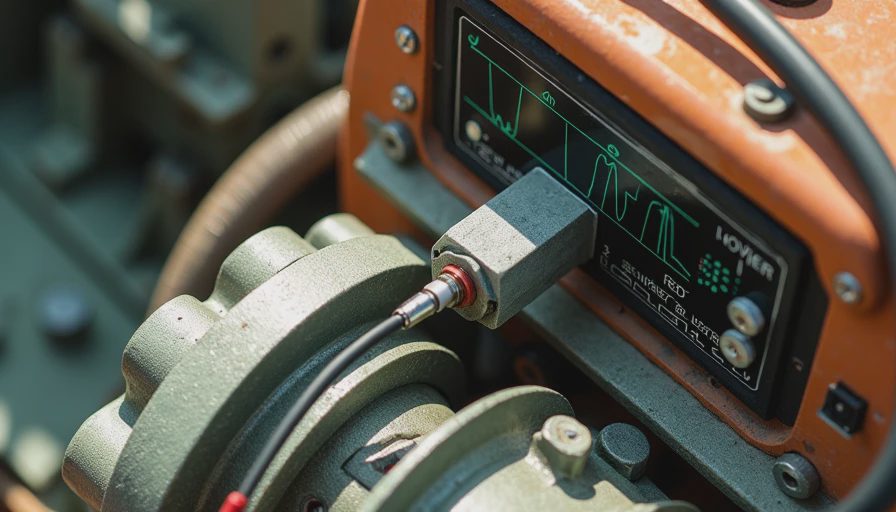
My grandfather taught me this trick: once a month, let the engine idle and put your hand on the valve cover. If it's hotter than normal, something's off. That's low-tech machine health monitoring, but it works. These days, you can add simple sensors that feed data to your phone or a dashboard. A $50 infrared thermometer lets you check temps on bearings and exhaust manifolds without touching anything. For the serious stuff, there are plug-and-play systems that monitor vibration and send alerts. But you don't need a high-end system to make a difference.
Easy Steps to Set Up Machine Health Monitoring on Your Vehicles and Equipment
Start with the basics. Every week, pop the hood and look for fresh leaks, smell for burning oil, and listen for new noises. Write down the fluid levels and compare them month to month. That's machine health monitoring with no cost. Next, buy a simple diagnostic tool like a Bluetooth OBD2 adapter. It reads engine codes and live data – coolant temp, fuel trims, misfire counts – on your phone. That's another level of machine health monitoring that costs under $30.
For tractors and UTVs, install a temperature sender for the transmission fluid if your machine doesn't have a gauge. Overheated oil is the number one cause of transmission failure in compact tractors. A $40 gauge kit lets you monitor that during heavy work. On my John Deere 1025R, I added one and caught a clogged cooler core before it cooked the transmission. That repair would have been $2,500. The gauge paid for itself ten times over.
Shop Trick: The $50 Diagnostic Tool That Caught a Bad Transmission Before It Blew
A regular customer, Tom, runs a landscaping crew with a fleet of Ford E-350 vans. One of the vans had a slight shudder when towing a trailer. Most shops would have thrown a torque converter at it, but I used a mechanic's stethoscope (under $20) and an IR thermometer. I listened for abnormal bearing noise and checked the transmission pan temperature while it was under load. The pan was 40°F hotter than its mate. That told me the torque converter clutch was slipping and overheating the fluid. We replaced the converter and did a fluid flush – $800 total. No tow bill, no downtime. That's machine health monitoring in action. Tom now brings his whole fleet in for a quarterly health check based on the same method.

My grandfather taught me another trick: always run a machine at operating temperature before you decide it's fine. A cold engine can hide many sins. So after a test drive, park, set the parking brake, and crawl under with a flashlight. Look for leaks that only show when the system is hot and pressurized. That's a machine health monitoring step that catches more than any computer scan.
The Real Cost of Ignoring Machine Health Monitoring
I've seen it a hundred times. A customer skips the small stuff – a low battery charge, a small coolant weep, a slight belt slip – and then pays huge when the alternator dies or the engine overheats. On farm equipment, the stakes are even higher. A failed hydraulic pump in a hay baler can ruin a whole cutting window. That's thousands of dollars in lost crop value, plus the repair bill. A simple hydraulic oil sample test costs about $30 and can warn you about metal particles before the pump scatters.
The same logic applies to UTVs, mowers, and generators. These machines don't have to be expensive to benefit from machine health monitoring. I check the air filter on my Polaris Ranger every time I fill the gas tank. That takes 30 seconds. I replace it twice a year instead of waiting for the engine to start eating dirt. A $15 filter is cheap insurance against a $1,500 top-end rebuild.
Start Monitoring Today
You don't need a fancy system or a subscription service to practice machine health monitoring. Start with the checklist: check fluids, listen for noises, feel for heat, look for leaks. Add a simple temperature gun and an OBD2 reader. Then make it a habit once a month. That routine will save you money, time, and the embarrassment of calling for a tow out of a pasture. If you're ever unsure about a noise or a reading, take it to a pro. No shame in that. But most of the early warning signs are plain to see if you just look.
Machine health monitoring isn't complicated. It's just showing up and paying attention – the same way a good mechanic, or a good rancher, has always done.