A fluid extractor pump earned its place in my shop after a customer brought in a low sedan with oil dripping from the drain plug area. The plug threads were damaged, and the pan had been overtightened more than once. In many vehicles, extracting used oil through the dipstick tube avoids that problem and keeps the driveway cleaner. I use the same basic idea on compact tractors, UTVs, and certain hydraulic reservoirs at the ranch.
That does not mean extraction replaces every drain-plug service. Some engines and gearboxes are designed to drain from the bottom, and thick fluids can challenge a small hand pump. But the right tool saves time, reduces spills, and makes routine maintenance easier for a home mechanic. My grandfather taught me this trick — still works 40 years later: prepare the receiving container before you start pulling fluid.
What a fluid extractor pump does
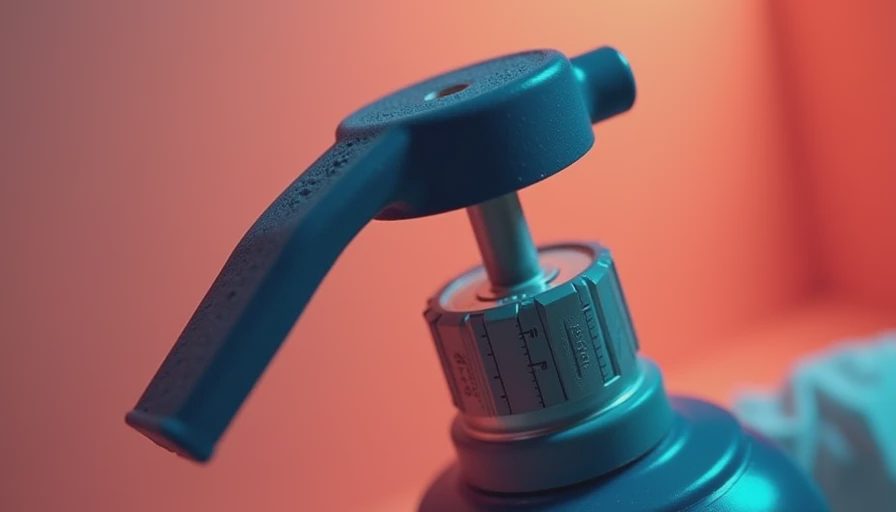
A fluid extractor pump uses suction to draw liquid through a narrow tube. Most models have a probe that enters an engine dipstick tube, transmission service tube, differential fill opening, or hydraulic tank. The used fluid travels into a reservoir, often holding between 1.5 and 9 quarts depending on the design.
There are three common types. A hand-operated vacuum pump is inexpensive and works well for occasional oil changes, brake bleeding, and small equipment. A pneumatic extractor connects to shop air and is faster for a busy garage. An electric model uses a 12-volt power source and can be convenient for mobile service, though the motor and wiring add failure points.
For a household garage, a five- to seven-quart hand vacuum unit is a practical starting point. For tractors and diesel equipment, I prefer a larger reservoir and wide tubing. Hydraulic oil moves more easily than cold gear oil, but both benefit from being warm, not dangerously hot.

Choosing the right pump for your equipment
Start with capacity. A four-quart container will not complete an eight-quart pickup oil change without stopping to empty it, and stopping halfway invites spills. Check the fluid capacity in the owner’s manual before buying. A 6.5-quart vehicle often needs a pump rated for at least eight quarts so there is room for foam and expansion.
Next, inspect the hose and probe sizes. A thin probe is useful for a dipstick tube, while a larger hose handles hydraulic fluid and diesel fuel more efficiently. Look for a flexible tube that reaches the bottom of the sump without kinking. Clear tubing is useful because you can see air bubbles, metal flakes, or an unexpected color change.
Brands such as Mityvac, OEMTOOLS, and similar tool lines offer hand vacuum extractors in different capacities. A basic unit can cost roughly $30 to $70, while pneumatic shop models commonly run from about $100 to $300. You are paying for seals, hose quality, container strength, and recovery speed. A cheap pump can be a good buy for one car; a ranch owner using it every month should prioritize replacement parts and a sturdy lid.
Shop Trick: Before the first use, mark the reservoir in one-quart increments with a paint marker. My father did this on an old extractor in the original shop loft, and it made fluid-level checks much faster.
How to use a fluid extractor pump safely
Park on a level surface and let the engine run only long enough to warm the oil. Warm fluid flows better, but hot oil can cause a serious burn. Shut the engine off, set the parking brake, and keep the vehicle in park or in gear. Wear safety glasses and chemical-resistant gloves.
Place the extractor on stable ground and push the probe gently into the dipstick tube. Do not force it. If the tube stops early, rotate the probe slightly and confirm that the probe is the correct size. Build vacuum gradually rather than pumping aggressively. Watch the hose as fluid begins moving into the container.
When flow slows, wait a minute and pump again. Some sumps have ledges that trap a small amount of oil, so moving the probe a little can improve recovery. Never leave the setup unattended around children, livestock, or an open flame. Used oil is toxic to animals and should go into a sealed container for recycling at an auto-parts store, service center, or approved collection site.
If the vehicle requires a specific drain-plug inspection, metal-particle check, or transmission procedure, extraction alone is not enough. If you are unsure about the service, take this to a pro. No shame in that.
Using one on tractors, UTVs, and hydraulic equipment
Agricultural equipment often makes extraction especially useful. A tractor may have a low drain plug blocked by a skid plate, loader frame, or packed soil. A UTV can have limited clearance underneath. Pulling engine oil from above avoids lying in mud and reduces the chance of losing a drain-plug washer in the grass.
The same tool can remove hydraulic oil from a reservoir, but first confirm the manufacturer’s procedure. Some systems require the oil to be drained through a dedicated port, and some filters need to be changed while the fluid is warm. Hydraulic fluid under pressure is dangerous. Turn the machine off, lower raised implements safely, cycle controls to release pressure, and never search for a leak with your bare hand.
For a compact diesel tractor, I keep separate clean hoses for engine oil and hydraulic fluid. Mixing a little contaminated gear oil into a hydraulic system can create an expensive problem. Label the hoses and wipe them before storage. On the ranch, that small habit matters more than having the fanciest tool in the cabinet.
Common mistakes that cause trouble
The first mistake is using a fluid extractor pump on fluid that is too thick. Cold 80W-90 gear oil can move slowly or fail to pass through narrow tubing. Warm the machine according to its manual, or use the bottom drain if extraction is not approved.
The second mistake is assuming slow flow means the reservoir is empty. A collapsed hose, loose lid, worn seal, or probe resting against the bottom can stop suction. Check connections before pulling harder. Do not exceed the container’s fill line.
Another mistake is reusing a contaminated hose. Dirt entering an engine or hydraulic tank can cost far more than a replacement tube. Cap the hose ends after use, and store the pump upright where sunlight cannot harden its seals. Never use an oil-only pump for gasoline, solvent, or another fluid unless the manufacturer specifically approves it.
My shop setup and final advice
My everyday setup includes a seven-quart hand extractor for cars, a larger pneumatic unit for repeated shop work, absorbent pads, nitrile gloves, spare hose, and a funnel with a screen. That combination handles most oil changes without making a mess. The fluid extractor pump is not glamorous, but it pays for itself in cleaner service and fewer damaged drain plugs.
Before buying, match the capacity to your equipment, confirm the probe reaches the sump, and choose a design with replaceable seals if you will use it often. Read the service manual for tractors and UTVs, especially around hydraulic systems and transmissions. Keep records of the fluid type, quantity removed, quantity installed, and service date.
A fluid extractor pump is a helper, not permission to skip safety or manufacturer instructions. Used correctly, it is one of those simple garage tools that makes routine maintenance less unpleasant. From the San Antonio shop to my cattle property, I have found that clean, prepared work is faster work. If a job involves pressurized hydraulics, unfamiliar transmission procedures, or a vehicle that will not safely stay supported, take it to a pro.