Last summer, a guy brought me a hay baler that quit right when the field was ready, and the whole mess came down to a bearing that had been growling for weeks. That is the real cost of farm machinery maintenance: not the grease, not the filters, but the lost afternoon, the hired help waiting, and the crop or pasture work sliding into the next hot day. My grandfather used to say the machines rarely fail all at once; they complain first, and most people just do not listen. I still hear that in the old shop loft every time I see a dry zerk or a cracked hose.
Start with a walkaround before the engine ever turns over
Farm machinery maintenance starts with boots on the ground and eyes on the machine. Walk around every tractor, mower, UTV, baler, and sprayer before startup. Look for oil on the belly pan, coolant at the hose clamp, hydraulic fluid around the fittings, and fresh dust where a belt is rubbing. Check tire pressure, lug nuts, missing cotter pins, loose shields, and damaged PTO guards. If a loader pin is dry or a lift arm is crooked, write it down before it becomes a bigger bill.
Shop Trick: put a piece of cardboard under the machine overnight. If it leaves spots, you know where to look in daylight. That little test has saved me more than one Saturday. My grandfather taught me this trick — still works 40 years later.
Safety matters here. Shut the key off, lower attachments to the ground, set the brake, and block wheels when you are working underneath. If a hydraulic line is leaking hard enough to spray, or a lift is drifting, take it to a pro. No shame in that.
The service items that actually keep money in your pocket
Good farm machinery maintenance is mostly boring, and boring is cheap. Engine oil, fuel filters, air filters, coolant level, grease points, and battery terminals do more for uptime than fancy parts ever will. On dusty Southwest land, an air filter can get loaded fast, especially on mowers and tractors that chew through dry grass and dirt. A clogged filter costs power and fuel, and it can dust an engine if somebody keeps running it too long.
Change oil on the schedule the manual gives you, and use the right diesel oil or hydraulic fluid for the machine. I like to see quality filters from names people know, like Wix, Baldwin, or the OEM box, because a few dollars saved on a cheap filter is not a win if the machine comes back with wear metal in the oil. The same goes for grease. A $6 tube of grease is better than a $60 joint and a half-day of labor.
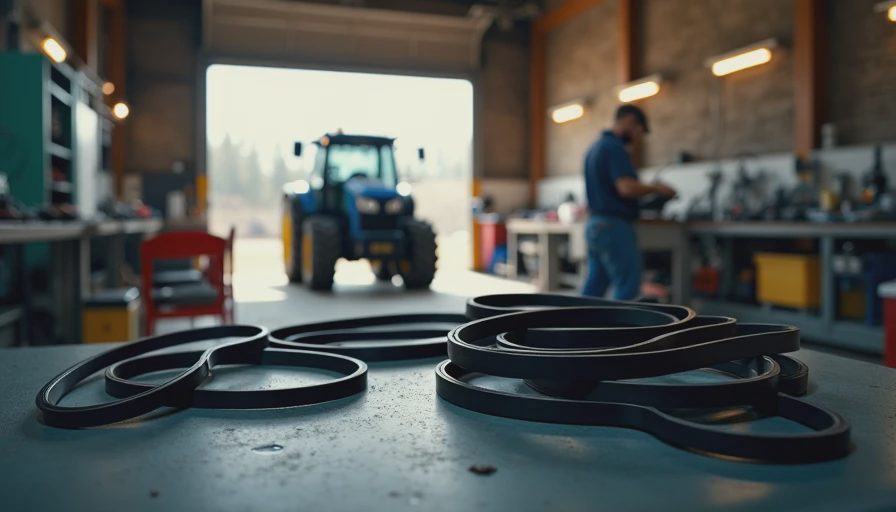
If you want a rough money comparison, a neglected belt, filter, or bearing can turn into a repair that runs from a few hundred dollars to well over a thousand once labor and downtime are counted. That is why I tell customers to spend the time on the easy stuff first.
Match the schedule to heat, dust, and storage time
Seasonal farm machinery maintenance should follow the work, not just the odometer or hour meter. Before spring, service what will be used hard first: tractors, mowers, brush cutters, and the UTV that hauls feed and tools. Before summer, clean radiator screens and fan shrouds so heat does not creep up while the machine is pulling a load in 100-degree weather. Before fall, pay extra attention to batteries, lights, and any machine that has to start after sitting for a week or two.
If equipment is going to sit through part of winter, wash off mud, drain water traps, top off fuel where it makes sense, and store it under cover if you can. For gasoline machines, fresh fuel and stabilizer help. For diesel rigs, clean fuel and a dry filter matter more than fancy additives. If rodents are a problem, block entry points and check wiring before the first cold start. One chewed harness can cost more than a month of routine care.
A guy brought in his truck last week and said the same habit that saves his pickup also keeps his tractor from eating a weekend: he fixes the little stuff before the season starts.
Know the warning signs before a small issue becomes a shutdown
The machines usually talk long before they quit. A new squeal at PTO speed, a hydraulic pump that sounds strained, steering that feels heavier than normal, or a diesel that starts harder than it did last month all deserve attention. So does a charging light that flickers, because weak batteries and dirty grounds create weird problems that waste time and parts.
When a machine begins overheating, do not keep forcing it through the job and hope it clears up. Clean the radiator, check the fan belt, inspect hoses, and make sure the coolant is full. If the issue comes back after those checks, that is a good time to let a professional pressure-test it and chase the problem correctly.
The same goes for hydraulic seepage, PTO vibration, and repeated fuse failures. Those are not the spots to get brave in the driveway. A farm machine does not care how stubborn the owner is. It only cares whether the fault gets fixed before the next job.
Build a schedule you can keep all year
For me, farm machinery maintenance works best when it lives on a calendar and not in somebody’s memory. I tell people to do a quick walkaround before every use, a grease and fluid check every 25 to 50 hours, and a deeper inspection at the start of each season. That deeper inspection should cover batteries, hoses, belts, blades, filters, lights, and the parts most likely to fail under load.
If you run a small operation, put the service dates on a phone reminder, the same way you would for a pickup truck inspection or an oil change. Keep a notebook in the cab or shop with the date, hour meter, and what was done. When the machine acts up again, that little record saves guessing time. It also helps when you decide whether to repair, replace, or retire a unit that keeps eating money.
If a machine is leaking, overheating, or chewing through parts, bring it to a shop that works on tractors and utility equipment all the time. A good pro can spot the difference between normal wear and a problem that is about to get expensive. That is how farm machinery maintenance pays you back: fewer breakdowns, lower repair bills, and more days where the work actually gets finished.