A neighbor called me after a long Saturday of shredding pasture because his tractor started running hot and the hydraulic response got lazy. Nothing dramatic, just enough to turn a productive day into a headache. Most of the time, that kind of trouble comes back to one thing: the new holland tractor maintenance schedule was never written down, or it lived in the operator's manual and nowhere else. Around my shop and out at the ranch, I like simple service plans that match real working hours, not wishful thinking.
Why a maintenance schedule matters more than fancy parts
A New Holland tractor will usually give plenty of warning before it gets expensive. Dirty air filters choke power. Low coolant raises engine temperature. Old hydraulic fluid makes loaders and three-point systems feel slow or jerky. The problem is that many owners catch these signs late because the machine still starts and moves, so the work keeps going until a minor issue becomes downtime.
That is why a new holland tractor maintenance schedule should be treated like fuel in the tank. You do not wait until the engine is starving. You stay ahead of it. For compact and utility tractors, that means looking at service in layers: daily checks, the 50-hour break-in service, 100-hour intervals, 250-300 hour major service, and the bigger 500-600 hour and annual inspections.
Shop tip from 20+ years of turning wrenches: keep a grease pencil or service tag where you park the tractor and write the last engine-hour reading every time you do oil, filters, or grease. A notebook in the glove box beats memory every single time.
Daily and weekly checks that prevent bigger repairs
The best maintenance is the boring kind you do before the key turns. On a working New Holland, daily (every 10 hours or so) checks should include engine oil level, coolant level, hydraulic fluid level, tire pressure, and a quick look underneath for leaks. If you run a front-end loader, check pivot pins and hoses often. One rubbed hydraulic hose can turn into a mess in a hurry.
Clean the radiator screen and inspect the air intake system, especially in dusty mowing, hay, or arena work. Compact diesel tractors pull a lot of air, and plugged screens are a common reason for heat issues. Also check lights, warning lamps, and the parking brake if the tractor sees road travel or gets parked on grades.

Shop trick: wipe the dipsticks and fluid caps before opening them. It sounds simple, but keeping dirt out of an engine, front axle, or hydraulic reservoir matters as much as the fluid you pour in.
Weekly, or every 25 hours in hard service (and every 8 hours on the loader itself), grease loader pins, steering points, driveline fittings, and mower or PTO shaft zerks. Use the grease points the manual calls for, and do not skip U-joints on PTO equipment. If you hear chirping, grinding, or feel looseness, stop and inspect before running another field.
Common Service Intervals: 50, 100, 250-300, and 500-600 Hours
Most owners need a practical rhythm more than a perfect chart, but the broad pattern holds across the compact and utility lineup:
Interval | What typically gets done |
|---|---|
10 hours (daily) | Fluid levels, tire pressure, radiator screen, visual leak check |
50 hours (first service / break-in) | Engine oil and filter change, battery check, grease points, wheel torque check, belt and hose inspection |
100-150 hours (monthly) | Engine oil and filter change, fuel filter inspection, hydraulic system check, chassis lubrication |
250-300 hours (quarterly) | Hydraulic fluid and filter change, belt and hose inspection, full system check |
500-600 hours (major/annual) | Fuel filter, air filter, transmission fluid replacement; deeper inspection of driveline components |
The 50-hour service is the one owners skip most often, and it is arguably the most important: it clears out manufacturing residue and metal particles left over from assembly before they can accelerate wear on a new engine. After that, plan on engine oil and filter changes roughly every 100 hours under normal use.
If you run in heavy dust, sustained heat above 95°F, or continuous heavy loads — or you rack up more than 500 hours a year — shift to severe-service intervals. That usually means cutting air filter service down to every 25-50 hours instead of 100, and tightening up hydraulic checks.
That is the key point with any new holland tractor maintenance schedule: use the operator's manual for your exact machine, then build a shop-style checklist around it. A Boomer compact tractor and a larger Workmaster or T-series utility tractor will not always share identical intervals, capacities, or filter part numbers — the Workmaster line, for example, calls out front axle oil and valve clearance checks around 1,200 hours, which a smaller Boomer schedule won't mention at all.
If you're not sure, take it to a pro. No shame in that. Wrong fluid in a hydraulic or transmission system can get expensive fast.
Fluids, filters, and grease: where owners save or lose money
Engine oil changes are cheap compared with engine repairs, and diesel tractors work hard under load and heat. Most New Holland diesels call for 15W-40 diesel oil meeting API CJ-4 or later — synthetic blends hold up better in temperature extremes, but they do not stretch the interval unless an oil analysis confirms it is safe to extend. Stick with the manual's viscosity and rating for your climate.
The same discipline applies to coolant. Do not mix random types just because a jug is on the shelf. A proper coolant with the right corrosion protection matters for water pumps, passages, and long-term reliability.
Hydraulic and transmission fluid deserves its own attention. New Holland's hydraulic-transmission fluid is formulated with friction modifiers for smooth shifting and anti-wear additives for the pumps — generic hydraulic oil lacks those properties and can cause shifting problems over time. As a rule of thumb, hydraulic oil holds up for 1,000-2,000 hours or about a year, but that depends heavily on operating conditions and filter condition, so treat it as a checkpoint, not gospel.
Fuel system care is another big one. Drain the water separator when needed, replace fuel filters on schedule, and buy clean fuel from a source that turns inventory. Water and contamination are rough on injectors and pumps. Air filters also deserve respect — replace them when restriction calls for it rather than blowing them out indefinitely and hoping for the best. Dark oil, cloudy hydraulic fluid, or a restricted air filter are your cue to act regardless of what the hour meter says.
Grease is where I see owners either do great or do nothing. Loader pins, steering knuckles, pedal pivots, mower spindles, and PTO shafts all depend on regular lubrication. A couple tubes of quality grease are a whole lot cheaper than pins, bushings, and seized shafts.
Seasonal maintenance for ranch, acreage, and weekend use
A tractor that sits half the year needs attention too. Before spring mowing or summer property work, check the battery, terminals, belts, hoses, and tire pressure. Mice love parked equipment, so inspect wiring and air boxes before startup. If the tractor has been sitting, let it idle briefly, watch gauges, and test hydraulics before heading straight into a heavy load — starting a stored tractor on old oil is one of the fastest ways to accelerate wear.
Before winter or long storage, top off fluids if appropriate, clean the machine, grease it, and consider treating diesel fuel if the tractor will sit. Washing mud and plant material off the chassis and radiator area helps prevent corrosion and overheating later. If you store implements separately, grease exposed fittings and protect PTO shafts.
A new holland tractor maintenance schedule should also include attachment care. Rotary cutters, finish mowers, tillers, and loaders all have their own gearboxes, grease points, and wear items. A lot of owners maintain the tractor and forget the implement that is actually taking the beating.
Building a simple maintenance log you will actually use
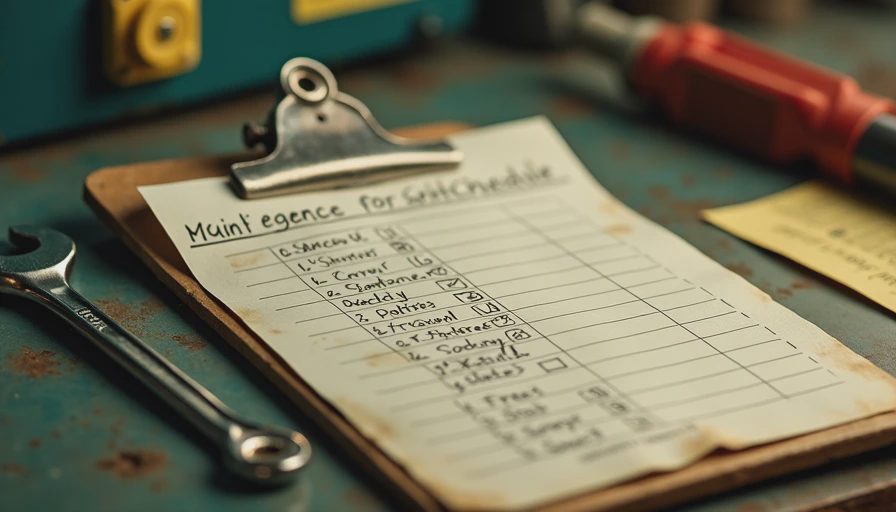
The best schedule is the one you will follow on a tired Sunday evening. I tell folks to keep it simple: make a one-page log with engine hours, date, service performed, and next due hour. Put copies in the barn, shop, or tractor cab. Set phone reminders for seasonal checks if the tractor does not rack up hours quickly.
You do not need a fleet software package to stay organized. You need consistency. Write down oil changes, grease intervals, filter replacements, front axle service, battery replacement, and any leak or warning light you noticed. That record helps you order parts faster, catch patterns, and protect resale value if you ever trade up — buyers pay more for equipment with a documented service history.
Frequently Asked Questions
F: How often should I change the oil on a New Holland tractor?
Q: At 50 hours for the first (break-in) service, then roughly every 100 hours under normal conditions. Cut that interval if you're running in severe dust or heat.
F: Can I use synthetic oil instead of the recommended diesel oil?
Q: Yes — synthetic 15W-40 meeting API CJ-4 or later works well and holds up better in temperature extremes, but it does not extend your service interval on its own.
F: How often does hydraulic fluid need to be replaced?
Q: Generally every 1,000-2,000 hours or about once a year, though this depends on operating conditions and how clean your filters stay. Always check the operator's manual for your specific model.
F: What's the difference in service intervals between models like the Boomer and Workmaster?
Q: Base intervals are similar, but larger utility models often add checkpoints — like front axle oil and valve clearance inspections — around 1,200 hours that smaller compact models don't require. Always confirm against your model's manual.
A solid new holland tractor maintenance schedule is not about babying equipment. It is about keeping your machine ready when the gate needs fixing, the pasture needs mowing, or the rain window is finally right. Do the basics on time, use the correct fluids, and take safety seriously. For tougher hydraulic, PTO, or transmission work, take it to a pro and save yourself from a bigger bill later.