A guy brought in his tractor last week with a loader full of wet gravel and a face like he had just lost a baseball game. The machine would move when cold, then creep once it warmed up. That is the kind of complaint that sends me straight to the hydrostatic tractor transmission, because on a compact tractor the transmission is either your best friend or your most expensive surprise. If you use the machine for mowing, loader work, or moving hay rings, this setup can make life easier than a gear drive. If it is ignored, it will let you know in a hurry. My grandfather taught me this trick — still works 40 years later: learn the feel of the pedal, the sound of the pump, and the smell of hot fluid before they turn into a repair bill.
How it works in plain English
A hydrostatic tractor transmission uses hydraulic fluid, a pump, and a motor to create speed and direction without shifting through fixed gears. On many compact tractors, you press one side of the pedal to go forward and the other to back up, which is why new operators like it for loader work and tight spaces around barns. Kubota, John Deere, and New Holland all build tractors with this style in smaller and mid-size classes because it is smooth and easy to control. The tradeoff is simple: you get convenience, but you need clean fluid, a healthy filter, and a cool-running system. Treat it like a hydraulic system first and a driveline second. If you run heavy brush, pull a loaded trailer uphill, or work in Texas heat, that matters more than brand names. The best machines stay responsive because the fluid stays clean and the cooler stays clear.
Early warning signs I look for
When a hydrostatic tractor transmission starts acting up, the clues usually show up before it quits. The tractor may creep with the pedal released, hesitate when you switch from forward to reverse, or lose power once the oil gets hot. A burnt smell, dark fluid, or whining noise under load tells me the pump is working too hard. Sometimes the fix is basic: low fluid, a clogged filter, or a screen packed with fuzz and dirt. Other times you are looking at worn internal parts or air getting into the system through a loose suction hose. On a tractor that still has service records, I want to know when the fluid and filter were last changed. Many compact machines do fine with service every few hundred hours, but the owner’s manual wins every time. If the tractor is already sluggish on a cold morning, that is not a quirk. That is a warning.

What I check before buying used
If I am helping somebody inspect a used tractor, I do not start with the paint or the tires. I start with the hydrostatic tractor transmission because that is where a bargain can turn into a headache. First I want a cold start, not a machine that has been warmed up to hide weak response. Then I test forward and reverse at idle and at working speed, both with no load and with the bucket raised a little. If the tractor bucks, shudders, or takes a second too long to catch, I make notes. I also check for seepage around the case, hoses, cooler lines, and axle seals. On many used compact tractors, a full hydraulic service runs roughly $150 to $400 in parts and labor, but a major internal repair can jump into the low thousands fast. That is why I care more about a clean shift feel than shiny sheet metal. A machine that drives straight, starts smooth, and stays quiet under load is worth a higher asking price than a pretty one with mystery fluid.
Shop Trick: keep the fluid cool and clean
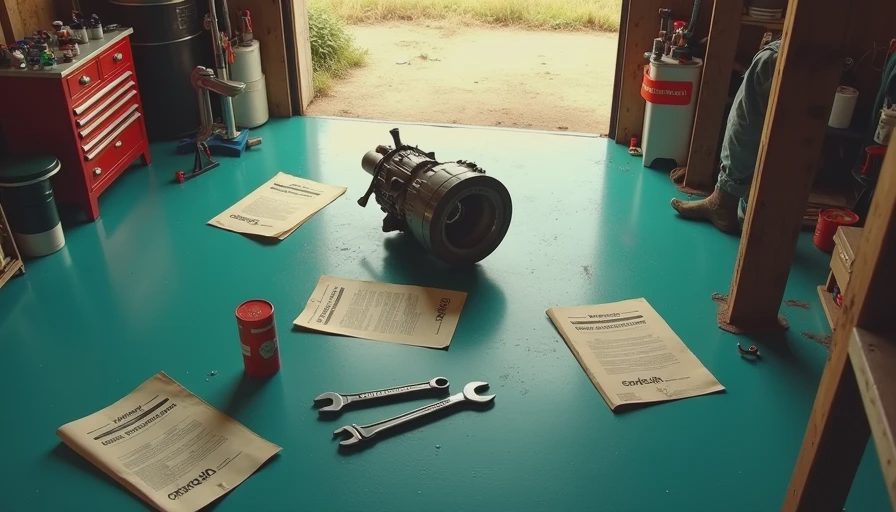
My grandfather taught me this trick — still works 40 years later. Most hydrostatic tractor transmission problems I see in South Texas are made worse by heat and neglected maintenance. Grass seeds, chaff, and dust build up on the cooler and the screen, especially if the tractor spends time mowing or raking. I tell owners to blow the cooler out from the engine side out, not just from the front, so you push the dirt out instead of packing it deeper. Use the exact fluid the manual asks for, or an approved equivalent, because mixing the wrong stuff can change how the unit behaves when it is hot. If the tractor has a filter, change it on schedule and cut the old one open if you want to see what is going on inside. A little gray paste on the magnet is normal. Metal flakes are not. On a ranch, that five-minute inspection can save you a Saturday and a tow bill. Put it on your oil-change routine, not on your apology list.
When to handle it yourself and when to call a pro
A lot of owners can handle the easy checks on a hydrostatic tractor transmission: fluid level, external leaks, dirty screens, and a clogged filter. That is fair DIY work if you keep the tractor off slopes, lower the implements, and let everything cool before you reach in. What you should not guess at is internal pressure testing, split-case repairs, or any job that calls for calibration after parts are replaced. If the tractor loses drive only when hot, jumps in and out of motion, or leaves you stranded after a few minutes of work, take it to a pro. No shame in that. On a good day, a shop can rule out the simple stuff in an hour and tell you whether you are looking at a valve issue, a charge pump problem, or a worn unit. The earlier you get that answer, the better your odds of avoiding a replacement that costs more than the machine is worth. If you're not sure, take it to a pro. No shame in that.
The short version for owners and shoppers
A hydrostatic tractor transmission is worth the money when you want smooth control for loader jobs, mowing, and tight maneuvers around a property. It is not magic, and it does ask for clean fluid, clean filters, and a cool-running system. If you are shopping used, test it cold, test it hot, and pay attention to how it feels under load. If you already own one, stay ahead of maintenance before the pedal gets lazy or the fluid smells burnt. That is how a dependable tractor stays dependable. If you want a real-world inspection before you buy, or you think your machine is telling you something expensive, bring it to a shop that knows tractors, hydraulics, and what a fair repair looks like. Around here, we like saving people from the wrong purchase and the wrong bill.