A guy brought in his truck last week because he slipped on a patch of oil while reaching for a torque wrench. Nothing heroic, just a wet floor, a loose cord, and one bad step. Health and safety in a garage workshop sounds like common sense until the day a jack shifts, a battery vents, or a rag catches a spark. Around my family shop in San Antonio, we treat safety like brake work: do it right the first time and you do not pay for it twice.
Start with the floor, light, and air
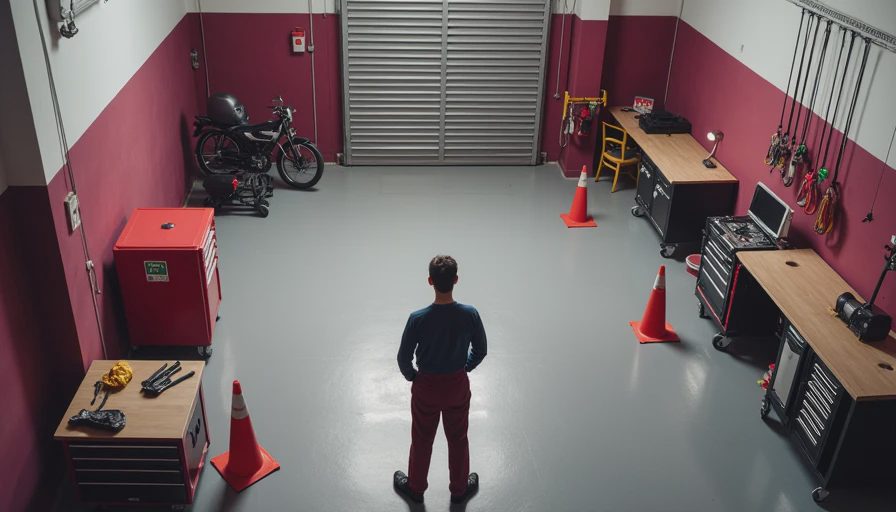
Health and safety in a garage workshop starts with the basics most people ignore because they are not flashy. A clean floor matters more than a fancy scanner when you are stepping around a drain pan, a creeper, and a half-open tool chest. Good LED lighting matters too. I like bright, even light with no dark corners around the wheels, under the hood, or near the lift posts. If you cannot see the drip, the crack, or the loose fastener, you are working blind.
Airflow is the third leg of the stool. Cracking the overhead door helps, but exhaust fumes, brake dust, and solvent vapors need more than luck. A box fan aimed the right way, a working exhaust hose, and a habit of running engines only as long as needed keep the bay from turning stale. Shop Trick: keep a broom, absorbent, and a squeegee in the same spot every day. My grandfather taught me this trick — still works 40 years later.
Lift points, jack stands, and the right gear
If a vehicle leaves the ground, the stands matter more than the bragging rights. Use the factory lift points when you can, chock the wheels that stay down, and never trust a hydraulic jack by itself. A floor jack is for lifting. Jack stands are for holding. That simple rule has saved more than one truck in my bay. I also like to give the car a gentle shake before I crawl under it. If it moves, something is wrong and it stays on the ground.
Personal protective equipment should be boring because it is doing its job. Safety glasses belong on your face before the first tool comes out. Gloves help with sharp sheet metal, hot parts, and dirty work, but take them off around spinning equipment where they can catch. Hearing protection matters when the impact gun runs all afternoon. If you are grinding, sanding, or spraying, use the respirator that fits the job. A cheap dust mask is not enough for everything.
Electricity, batteries, and fire do not forgive sloppy habits
This is where health and safety in a garage workshop stops being a slogan and starts being real. Check extension cords for cuts, taped repairs, and crushed plugs. Plug bench tools into grounded outlets and use GFCI protection anywhere moisture can show up. A wet floor and a bad cord can ruin your whole week. Keep chargers up off the floor, and do not charge batteries next to gasoline cans or a welding area.
Lead-acid batteries can vent hydrogen while charging, so give them space and keep sparks away. I have seen a hood light arc a battery terminal and make a grown man jump backward. That is not the lesson you want to learn the hard way. Keep at least one ABC-rated extinguisher where you can grab it fast, not buried behind boxes. If you weld, grind, or cut, move flammables away first. A few extra steps beat explaining a fire to the insurance adjuster.

Chemicals, spills, and storage need a system
Health and safety in a garage workshop also depends on how you store the messy stuff. Oil, brake cleaner, carb cleaner, coolant, diesel, and gasoline all behave differently, but they share one problem: they turn a clean bay into a hazard fast. Do not pour chemicals into soda bottles or unlabeled jugs. Use the container they came in or a proper safety can, and keep lids tight so fumes do not build up.
When a spill happens, act on it right away. Cat litter works in a pinch, but absorbent pads and granules made for shop use are cleaner and faster. Keep a drip pan under parts that sit overnight. Separate rags soaked with solvent from dry towels, and empty the oily rag can before it turns into a fire risk. If you are painting, sanding, or using strong cleaners, open the doors and keep the fan moving fresh air through the bay.
Build a five-minute daily reset into the closing routine
The best safety habit is the one that happens before you are tired, hungry, or in a hurry. Before closing, put tools back where they belong, coil cords off the floor, and wipe up any oil near the lift or workbench. Check that the floor is clear of bolts, zip ties, and old clamps. One loose socket under a boot can put you on your back faster than a bad starter relay.
I tell the younger guys to scan the bay once with both hands empty. If you can walk from the door to the toolbox without stepping around junk, you are in good shape. Keep a stocked first aid kit visible, not hidden in a drawer nobody opens. Put the emergency contact numbers where everyone can see them. My grandfather taught me this trick — still works 40 years later: end the day like you expect a customer to walk in first thing tomorrow.
Know when to stop and call a pro
There is no shame in handing off a job that needs special equipment or training. Airbags, hybrid battery packs, high-pressure fuel systems, structural welding, and refrigerant work can bite hard when a DIY repair goes sideways. The same goes for cracked lift arms, bent jack points, and suspension damage you cannot inspect fully from the floor. If you are not sure, take it to a pro. No shame in that.
A safe shop is not the one with the most posters on the wall. It is the one where people can move, think, and finish the job without bleeding on the floor. When you keep the space bright, dry, organized, and ready for the next wrench turn, you protect your hands, your tools, and your wallet. That is how I run my bays, and it is how I would want my own son to work on a tractor or a pickup at home.