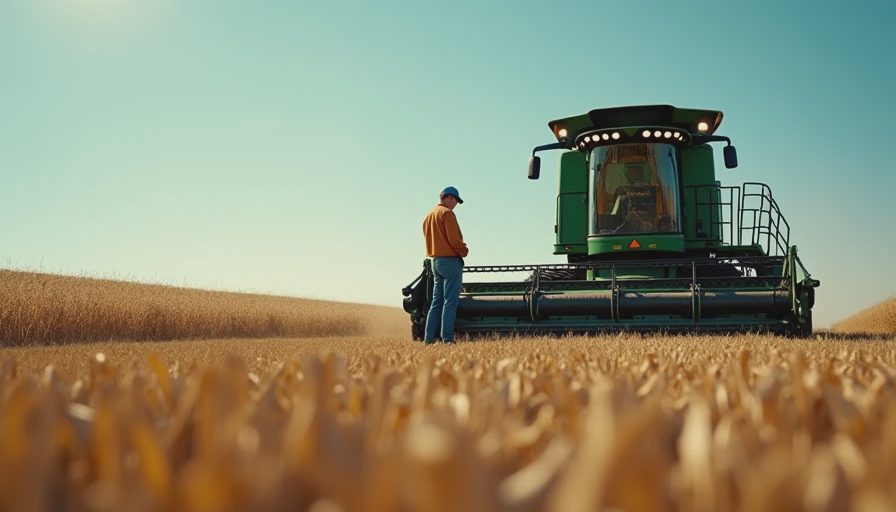
Last fall, a guy brought in his machine two days before cutting was supposed to start, and he was already doing that tired math every owner knows: lost time, rushed parts, and extra labor. Harvester maintenance is a lot like feeding cattle before a cold front. If you wait until the weather turns ugly, you pay more and work harder. I tell folks the same thing I tell my own family at the shop in San Antonio: get ahead of the wear, and the season goes smoother.
When I walk a machine, I start with the simple stuff first. Hoses, belts, battery cables, tires, guards, lights, and the operator station tell you a lot before you ever fire it up. A dry belt, a loose clamp, or a cracked hose can cost a half-day in the field. That kind of delay is expensive even on a small operation. Harvester maintenance done early usually costs a few hours and a few parts. Done late, it can cost a day, a crew, and a crop window you do not get back.
Why Harvester Maintenance Saves Real Money
The biggest mistake I see is treating the machine like it will forgive a long off-season. Rust does not care that you were busy. Dust packs into places you cannot see. Rubber ages. Grease dries out. If the machine sat all year, the first startup is not the time to discover a weak battery or a wobbling bearing. I like to think of it like a truck that has been parked behind the barn since the last rain: it might crank, but that does not mean it is ready to work hard.
When you budget for service, think in chunks. A set of filters might run $60 to $180. A belt replacement can land anywhere from $40 to a couple hundred depending on the machine. A bearing, idler, or hose is usually cheap compared with the labor and crop loss that come after a failure in the field. That is why I push harvester maintenance before the first long day, not after the first ugly breakdown.
The other win is confidence. If you already checked the basics, the operator can focus on crop, ground conditions, and machine settings instead of listening for every new noise. That peace of mind is worth something when the days are long and the crew is tired.
The Pre-Start Checklist I Trust
I start with the battery because weak power causes more weird problems than people admit. Clean the terminals, inspect the cables, and make sure the hold-down is tight. Then I look at tires or tracks for damage, dry rot, and low pressure. On older machines, a soft tire can turn into a sidewall failure fast once the ground gets rough.
Next comes the moving parts you can actually inspect. Spin idlers by hand if the design lets you, look for play in bearings, and check chains for stretch. If a chain looks shiny on one side and rusty on the other, that tells you enough. Check guards and shields too. A missing guard is not a small thing. It is an invitation for debris, clothing, or a hand to get in where it should not.
Then I clean the machine like I mean it. Crop residue holds moisture, and moisture breeds rust. Blow out the radiator stack, clean around the engine bay, and clear the feeder area so you can spot leaks. If you can smell fuel, see wet oil, or notice a hydraulic film, do not ignore it. Harvester maintenance is mostly about catching the small leak before it turns into the big mess.
Fluids, Filters, and Belt Condition Matter More Than Looks
People love shiny paint and hate dirty hands, but the fluids tell the truth. Check engine oil, coolant level, hydraulic fluid, and fuel filters before the machine works a mile. If the oil is milky, stop and find out why. If the coolant is low and you can see no puddle, inspect hoses, clamps, and the radiator cap. On diesel equipment, a clean fuel filter matters a lot because dirt and water do their damage quietly until the machine starts starving for fuel.
Belt condition is another place where a quick look saves a lot of grief. Cracks, glazing, frayed edges, or a belt that squeals under load mean it is already talking to you. I like Gates belts and Donaldson filters when the application calls for them, but the brand matters less than installing the right part and setting it up correctly. A belt that is too loose slips. One that is too tight murders bearings. That is shop math, whether you are working on a pickup or a header drive.
My grandfather taught me this trick — still works 40 years later. Put a clean rag under the area you are inspecting, then come back after the machine sits for a bit. Drips and fresh residue show up fast against a clean surface. It is a simple habit, but it saves guesswork.
Bearings, Chains, and Crop Residue Are the Quiet Trouble Spots
A lot of expensive repairs start as a little noise nobody wanted to chase. A bearing that grows hotter than the others, a chain that rattles more than it did last week, or a sprocket with hooked teeth are all clues. If you have an infrared thermometer, use it after a short run. One hot spot compared with the rest is worth your attention. If you do not have one, a careful hand test after shutdown can still tell you a lot, as long as the machine is safe to approach and you are not touching anything spinning or hot.
Residue is rough on equipment because it hides damage and keeps moisture trapped. I have seen a small wad of wet trash around a shaft turn into a rusted mess in one season. Clean it out, grease the points that call for grease, and make sure the machine can shed debris instead of collecting it. That is especially important on older equipment that already has a few seasons on the clock. Harvester maintenance is not glamorous, but it keeps the machine from eating itself one loose bolt at a time.
Storage Between Seasons Should Make Next Year Easier
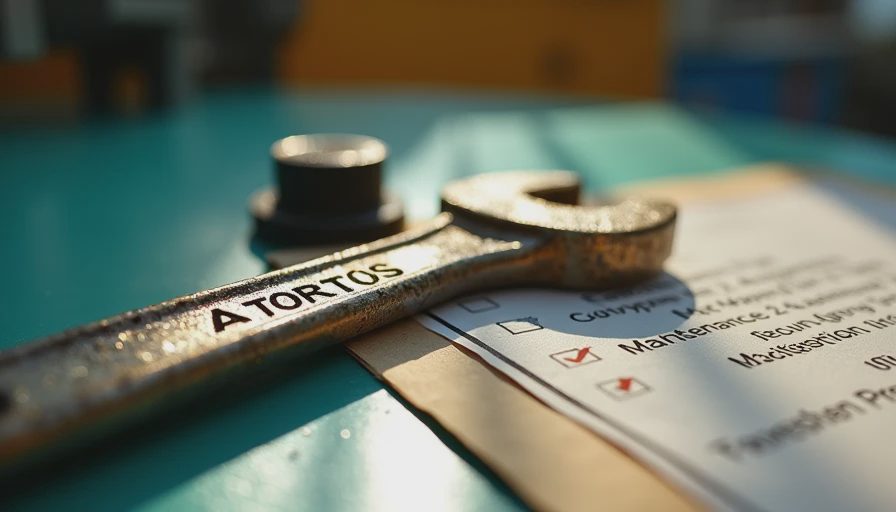
Once the season ends, do not just park it and walk away. Wash the machine, let it dry, and then inspect it while you can still remember what bothered you in the field. Replace the parts that were marginal, not just the ones that failed. Fill the fuel tank if storage rules and your setup call for it, then use a fuel stabilizer if the machine will sit a long time. Disconnect or maintain the battery, depending on the design, and park it where mice and moisture are less likely to move in.
I also like to tag the trouble spots with a paint marker or a notepad in the cab. That way, next spring starts with a plan instead of a memory contest. A good off-season note can save a lot of time when the pressure is on.
Good harvester maintenance does not end when the shed door closes. It ends when the machine is parked clean, dry, documented, and ready to go back to work with fewer surprises.
When to Call a Pro and Move on It Fast
If you find metal in the oil, a cracked housing, repeated overheating, or a hydraulic leak you cannot trace, take it to a pro. Same goes for anything involving calibration, injector work, or major electrical problems. There is no badge for guessing wrong in harvest season. If you are not sure, take it to a pro. No shame in that.
If your harvester maintenance list is longer than your evening hours, that is usually your sign to line up parts and help now, not later. A little planning beats a midnight parts run every time.