A guy brought in a worn-out skid steer last week, and before we even opened the hood, I could tell the machine had been doing the work of three different rigs. When folks ask me about construction tractor types, I start with the dirt, not the brochure. The right machine depends on whether you are digging, loading, grading, or just trying to keep a crew moving without tearing up the ground. My grandfather taught me this trick — still works 40 years later.
The main machines I see first
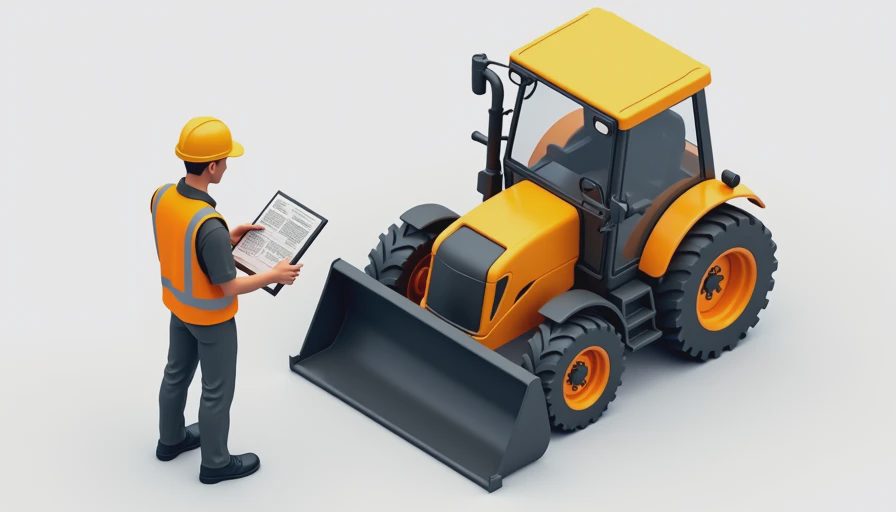
The first pass through construction tractor types I see around San Antonio usually starts with skid steers, compact track loaders, backhoe loaders, wheel loaders, and crawler dozers. A skid steer is the tight-space king. It turns in its own footprint, takes a pile of attachments, and fits a small lot or a ranch yard where a bigger machine would feel like a bull in a phone booth. A compact track loader costs more to own, but it shines when the ground is soft, muddy, or freshly disturbed.
A backhoe loader still earns its keep because it can dig, lift, and move short distances without begging for another machine. Wheel loaders are better for moving a lot of material quickly on firm ground, while a dozer is the tool for pushing, rough grading, and clearing. If you are looking at a new Kubota, Bobcat, Case, John Deere, or Caterpillar machine, the badge matters less than whether the machine fits the job and the operator behind the controls.
Shop Trick: if a used machine has shiny paint and tired pins, the paint is working harder than the steel. Look at the joints, hoses, and undercarriage first.
What each machine does best on a real site
Among construction tractor types, the backhoe loader still earns its keep because one person can dig a trench, set a small culvert, and backfill without waiting on a second rig. That matters on a small contractor's site, where every idle hour costs real money. A compact track loader is a good fit for landscaping, foundation prep, and cleanup after demo work. It handles pallet forks, buckets, and grapples well, and it leaves a smoother footprint than a wheel machine on loose soil.
A dozer makes sense when the work is all about moving earth in a straight line and cutting a pad level. If the job is loading dump trucks, stockpiling rock, or feeding material into another process, a wheel loader usually beats trying to make a skid steer do big-machine work. A telehandler can help on a busy construction yard when you need reach more than curl, especially for lifting block, lumber, or roof trusses. The mistake I see is buying for the biggest job on the calendar instead of the work you do most days.
The money that hides after the purchase
The purchase price is only the opening number. Tires on a wheel machine can run a few hundred dollars each, and a full set gets ugly fast. Rubber tracks on a compact track loader can cost well over a thousand dollars a side, and worn sprockets or rollers make that bill grow. Hydraulics, filters, and cooling system service are not glamorous, but they keep the machine earning. On newer Tier 4 Final equipment, a neglected DPF or DEF system can park a job in a hurry.
Attachments are another place where budgets drift. A bucket might be a relatively small expense, but forks, augers, trenchers, or a hydraulic grapple can turn a good deal into a serious one. I have seen a serviceable used skid steer land in the $20,000 to $45,000 range, while a newer compact track loader can move into the $50,000 to $90,000 range before attachments. That is why I tell customers to think about maintenance, fuel burn, trailer weight, and downtime before they brag about horsepower.
How I match the machine to the job
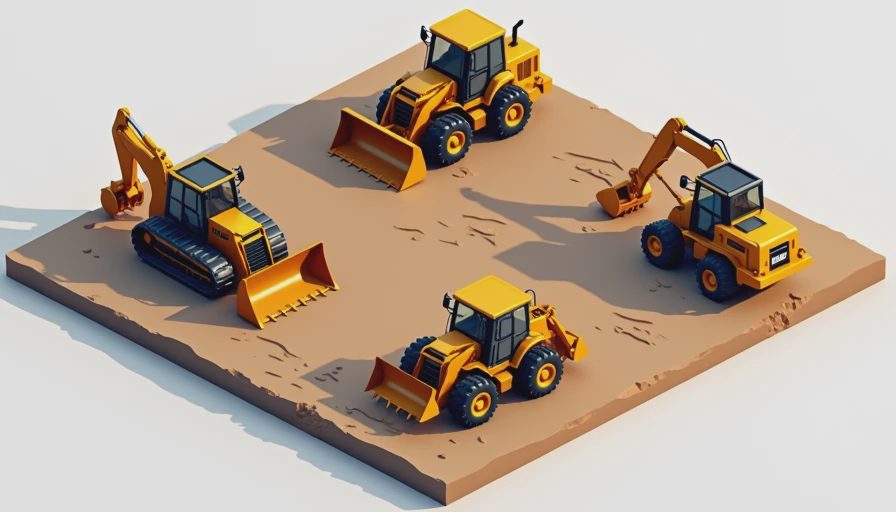
The right construction tractor types choice comes from the ground under the tires and the kind of work you need done by Friday. Tight access and finished concrete call for a skid steer or a compact track loader with the right tires or tracks. Soft dirt, recent rain, and yard work point me toward tracks. Heavy pushing and rough grading point me toward a dozer. If I need to dig a trench, pull stumps, and load spoil without changing machines, I still look hard at a backhoe loader.
I tell apprentices to picture the machine working all day with one attachment and one operator. If that picture looks smooth, you are probably close. If the machine only makes sense when three other machines are waiting around it, you are buying too much iron. Shop Trick: ask the seller what broke last, not just what got serviced last. A clean answer tells you more than a fresh wash ever will.
Buying used without getting burned
If you're comparing used construction tractor types, the hour meter is only the first clue. I want to see dry hydraulic connections, tight loader pins, straight arms, and a machine that starts cold without drama. On a track machine, check the undercarriage like your paycheck depends on it, because it does. On a wheeled machine, look for uneven tire wear that tells you about alignment or hard use. Open the service records if they exist, and pay attention to warning lights, emission faults, and coolant condition. A machine with a clean service history from a known dealer is often worth more than a cheaper unit with mystery miles.
If the machine is going into a business, think about the coverage before it starts making money. A contractor may need equipment coverage, commercial auto for the truck and trailer setup, and liability protection that fits the operation. The right policy mix depends on how the machine is stored, hauled, and used on public roads or customer property. The right choice among construction tractor types comes down to how you work, how you haul, and how much downtime your business can stomach. If you're not sure, take it to a pro. No shame in that.