A jug of oil is a little like a gate latch on a cattle pen: what matters is whether it fits the job, not how shiny it looks. AMSOIL makes synthetic lubricants for cars, trucks, and equipment, and it can be a sound choice when the specific product matches the manufacturer's requirements. Start with the viscosity and required specification in your owner's manual, then compare those details with the exact product label or data sheet. Don't buy on the brand name alone.
What AMSOIL is and where it fits
AMSOIL sells engine oils and other lubricants for a range of applications. Its Signature Series motor oil is one line to consider for a compatible gasoline vehicle; its diesel engine oils are aimed at diesel applications; and its powersports products cover certain motorcycles, ATVs, and UTVs. Each category contains different formulations, so the machine and specification still determine which bottle belongs on your shelf.
Synthetic oil can be useful in demanding temperature conditions, but it is not a cure for worn parts, coolant contamination, or a neglected maintenance schedule. A leaking rear main seal won't fix itself because you changed brands. And an engine that calls for a particular manufacturer approval still needs a product that carries that approval when required.
AMSOIL is also one option among many. Mobil 1 and Pennzoil, for example, sell synthetic motor oils in multiple formulations. Compare the exact viscosity, specifications, approvals, and cost of the individual products rather than assuming every jug from a given brand is interchangeable. For a machine that gets only a few hours of use between calendar-based changes, a correctly specified, less expensive oil may make more sense than paying extra for a long-drain claim you can't use.
Read the manual before the bottle
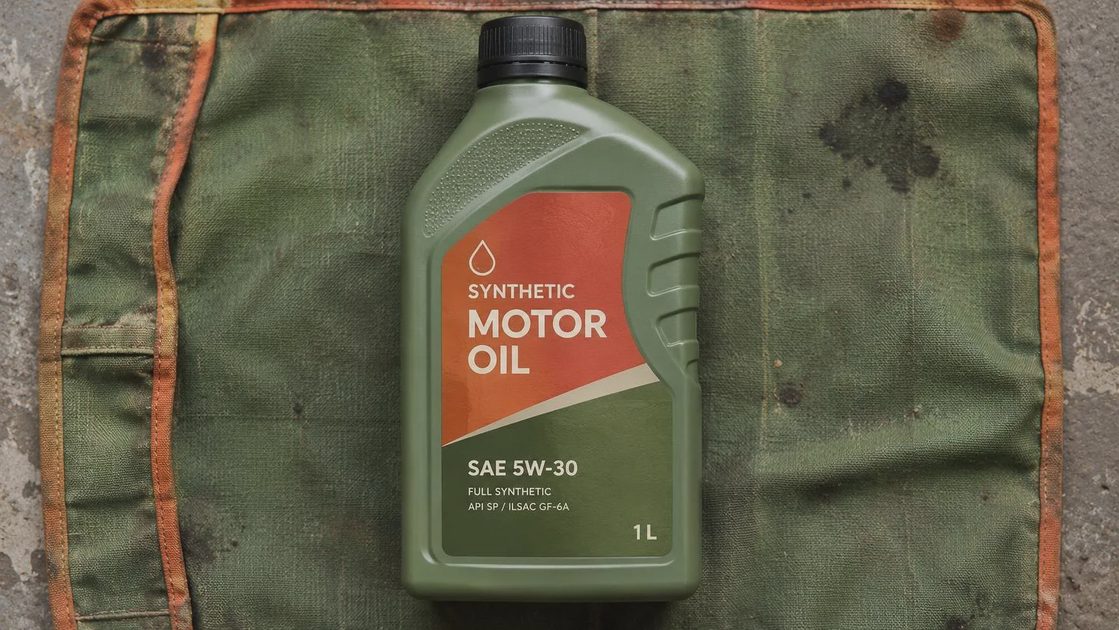
The owner's manual is your starting point. Find the engine-oil section and write down the viscosity grade, such as 5W-30, along with every required specification or approval. The grade describes viscosity under standardized conditions; it doesn't tell you whether the oil has the chemistry or approvals your engine requires.
Then find the same details on the AMSOIL container or the manufacturer's product information for that exact oil. Pay attention to the distinction between an oil that is formally licensed or approved and one the oil maker recommends for an application. Those statements are not necessarily the same. If your vehicle manufacturer requires a formal approval, look for that approval rather than assuming a general recommendation meets the requirement.
Shop Trick: Keep a small service notebook for each machine. Write down the model, engine, required fluid specifications, filter number, capacity, and last service date. My grandfather taught me this trick — still works 40 years later. I also like to mark the drain pan before starting, so there's less chance of forgetting which machine is on the lift when the phone rings.
A quick word about capacity: use the manual's figure as a starting point, including whether it assumes a filter change. Add a little less initially, run the engine as directed, check for leaks, let the oil settle according to the manual, and finish at the dipstick's proper level. Overfilling isn't a favor to the engine.
Don't confuse tractor fluids with engine oil
A tractor can have separate requirements for its engine, transmission, hydraulic system, front axle, and final drives. Some machines share a transmission and hydraulic reservoir; others don't. A product described as tractor hydraulic fluid is not automatically suitable for the diesel engine, and diesel engine oil is not automatically the right choice for a shared transmission and hydraulic system.
Before using an AMSOIL fluid in a tractor, identify the exact compartment and the equipment maker's fluid specification. Check whether the fluid is suitable for wet brakes or clutches if the tractor requires it. The wrong fluid can cause expensive trouble even if the reservoir takes it without spilling a drop.
UTVs deserve the same care. Some have a shared engine and transmission sump, while others use separate compartments. Motorcycles and certain powersports machines may have wet clutches that need compatible oil. Check the machine's manual and the individual product's application information; don't assume the automotive oil left over from the pickup is suitable.
How long can you run it?
AMSOIL markets some oils for extended drain intervals, but the interval printed in an advertisement isn't a blanket instruction for every engine. Follow the vehicle or equipment manufacturer's schedule, especially while warranty coverage is in effect. Time matters as well as mileage or engine hours, so check both limits.
Dusty ranch roads, frequent short trips, towing, long idle periods, and stop-and-go work can put a vehicle into a severe-service category under its manufacturer's schedule. A tractor that spends much of its life idling or working under load needs its hours and operating conditions considered, not just a glance at the calendar.
Oil analysis can provide useful information about a particular engine and oil sample, including signs of contamination or unusual wear. It takes a clean sample and consistent records to make the results useful, though, and one report shouldn't override a manufacturer's service requirement. If you're trying to establish a longer interval for equipment outside warranty, discuss the results and the operating conditions with a qualified professional.
Changing oil safely and avoiding waste
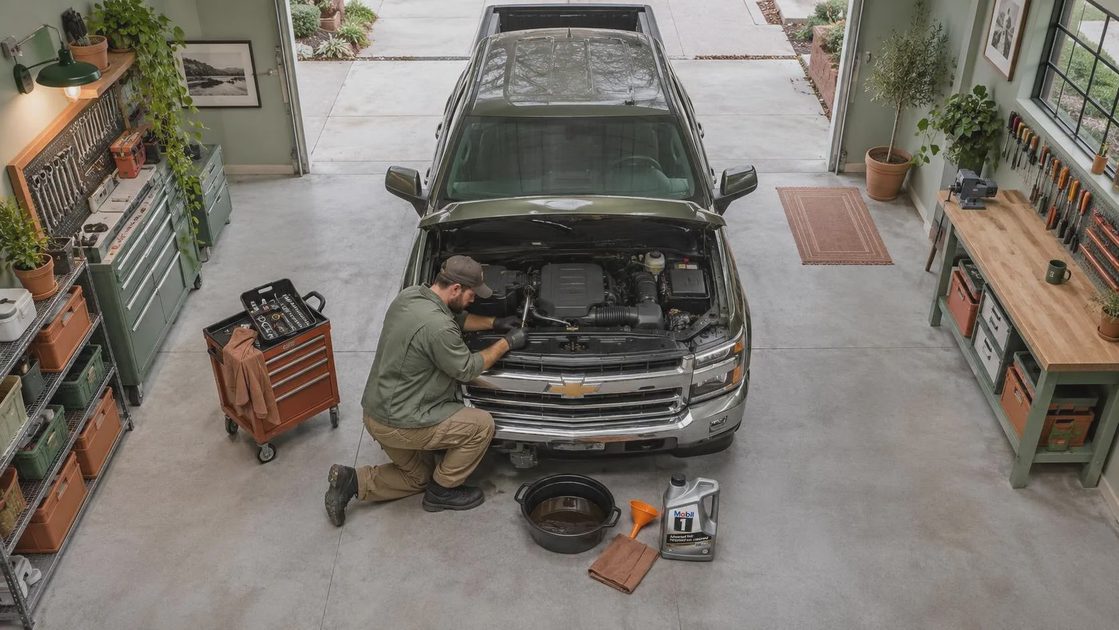
Park on level ground, set the parking brake, shut off the engine, and let hot components cool enough to work around safely. If you must raise a vehicle, use properly rated equipment and support it securely on jack stands at the manufacturer's designated points. Never work under a vehicle supported only by a jack. For a tractor or UTV, lower attachments and follow the manual's shutdown and support instructions.
Use the correct filter and inspect the old filter's sealing gasket to make sure it came off with the filter. A doubled gasket can cause a serious leak. Start the engine after refilling, check the drain plug and filter for leaks, then recheck the oil level as the manual directs. If access is awkward, a plug is damaged, or you're unsure how to support the machine, take it to a pro. No shame in that.
Collect used oil in a clean, sealed container and take it to a local collection site; don't mix it with coolant, fuel, or solvents. Whether you choose AMSOIL or another suitable lubricant, the worthwhile habit is the same: match the specification, record the service, and check the level between changes.