A guy brought in his truck last week with a front bearing that had welded itself to the spindle with rust and heat. He had tried a hammer, a cold chisel, and enough foul language to fill the shop. The right bearing puller tools would have made the job cleaner and safer. Instead, he damaged the hub and turned a reasonable repair into a much larger bill. I have seen the same problem on tractor axles, mower decks, and UTV clutch assemblies.
Bearing removal is not a contest of strength. It is a matter of using steady, centered force while protecting the shaft, housing, and nearby seals. In our San Antonio shop, we use different pullers depending on the bearing style, available clearance, and how much corrosion we are fighting. The same approach works in a ranch workshop, provided you respect the limits of your equipment.
Choosing the Right Bearing Puller Tools
A two-jaw puller is useful when the bearing has an exposed edge and there is enough room for the jaws to grab behind it. It is compact and affordable, with basic models commonly costing $25 to $60. A three-jaw puller centers itself better and is often the safer choice for a round bearing, pulley, or hub. Look for forged steel jaws, a hardened center screw, and a design that lets you reverse the jaws for internal or external pulling.
For bearings pressed into a housing, an internal bearing puller set is usually the better answer. Its expanding collet grips the inside race, then a slide hammer or forcing screw draws the bearing out. This style is common on alternators, gearboxes, transmission components, and some agricultural implements. A quality set from a professional tool supplier can cost $100 to $300, but it can prevent damaged housings that cost several times more to replace.
A separator-style puller is valuable when the bearing sits flush against a shoulder and ordinary jaws cannot reach behind it. The thin separator plates slide beneath the bearing, then connect to a forcing screw or yoke. Bearing puller tools with interchangeable arms give a small shop more flexibility than buying one oversized tool for every job.
Check the puller's capacity before starting. A light-duty puller intended for a lawn mower pulley is not appropriate for a tractor hub. Match the tool's throat depth and spread to the part, and keep the force centered over the shaft. If the jaws are cocked, they can slip suddenly or break under load.
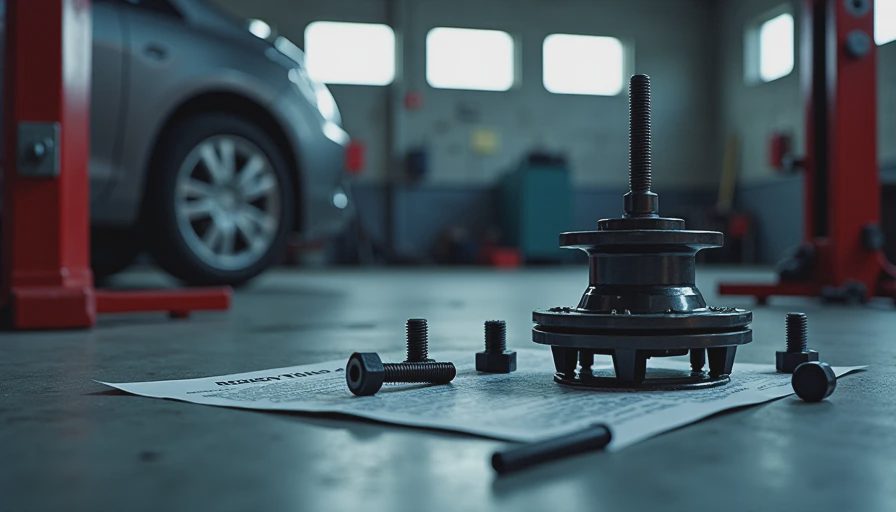
How to Remove a Bearing Without Creating More Damage
Start by cleaning the assembly. Dirt and loose rust make it harder to seat the jaws, and grease can hide a retaining ring or snap ring. Remove all clips, washers, collars, and set screws before applying pressure. I have watched experienced people miss a small retaining ring and then blame the puller for a bearing that was never free to move.
Support the surrounding component on solid blocks, not on the puller's jaws alone. If you are working on a vehicle, use rated jack stands on a stable surface and chock the wheels. Wear eye protection and gloves, but keep loose clothing away from the screw and rotating parts. Never put your fingers behind a loaded jaw.
Apply penetrating oil to the bearing's outer edge and allow time for it to work. Then install the puller so each jaw has equal contact. Turn the forcing screw by hand until it is firmly centered on the shaft. If the shaft end is threaded, install a sacrificial nut flush with the end to protect the threads. On an exposed shaft, use a small steel pad between the screw and the shaft.
Turn the screw slowly with a wrench. Listen and watch. A sharp pop can mean the bearing has released, but it can also mean a jaw has slipped. Stop and reset the tool if the puller tilts, a jaw walks outward, or the screw begins to gall. Do not strike the forcing screw with a hammer unless the manufacturer specifically allows impact use. Controlled pressure is safer than shock loading.
Shop Trick: My grandfather taught me this trick — still works 40 years later. When a bearing is stubborn, tighten the puller moderately, tap the bearing's outer race lightly with a brass hammer, then tighten again. The vibration can break the rust bond. Use heat only on the surrounding housing, never directly on a sealed bearing or near fuel, rubber, or wiring.
Bearing Puller Tools for Tractors and Farm Equipment
Farm equipment brings a different kind of trouble. Tractor bearings often sit in housings exposed to mud, fertilizer dust, water, and years of neglected grease. A front-end loader pivot, baler roller, or mower spindle may require a larger puller than anything found on a passenger car. Before pulling, study the service manual or parts diagram so you know whether the component is pressed in, retained by a snap ring, or removed with the entire shaft.
For a compact tractor or UTV, a heavy three-jaw puller can handle hubs and pulleys, while an internal set helps with bearings inside a transmission cover or idler assembly. Keep a selection of adapters and a long but properly rated forcing screw in the toolbox. Avoid extending a wrench with a pipe just to gain leverage. That practice can exceed the tool's rating and turn a slow repair into flying metal.
Bearing puller tools also need maintenance. Wipe the forcing screw clean, lubricate its threads with the recommended grease, and inspect jaws for cracks or mushroomed tips. Store the set in a case where arms cannot get bent. A puller that has been dropped from a truck bed deserves a close inspection before it goes under load.
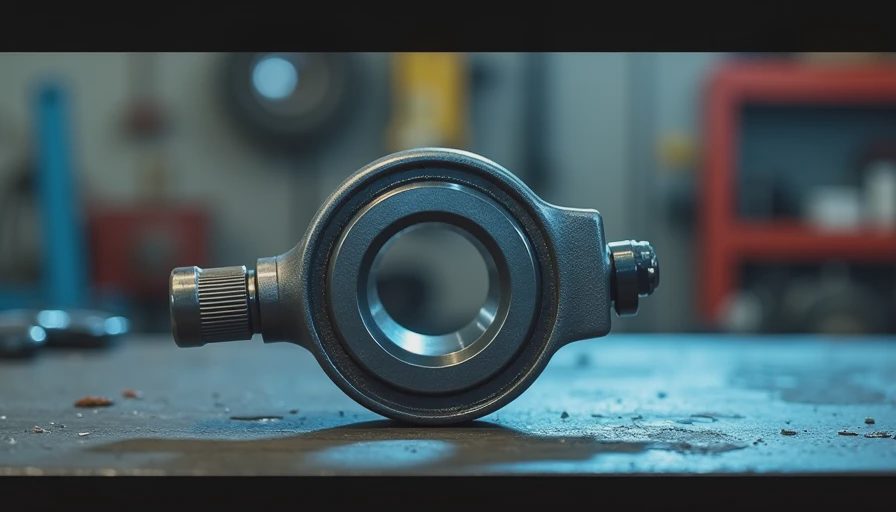
When a Puller Is Not the Right Answer
Some bearings are seized so tightly that pulling them risks cracking the housing or bending the shaft. Others have no safe purchase because the bearing is damaged flush with a shoulder. In those cases, a hydraulic press, bearing splitter, induction heater, or specialized extraction kit may be required. A press must be used with plates that support the correct part; pressing through the wrong race can ruin a new bearing before it ever reaches service.
If the bearing is part of a wheel hub, steering system, differential, or tractor final drive, take the job to a pro if you lack a press and proper supports. A failed bearing can affect control, braking, or load carrying. If you are not sure, take this to a pro. No shame in that. The money saved by doing a difficult job yourself disappears quickly after a damaged spindle or cracked housing.
Buying Advice for a Small Shop
For occasional automotive work, a forged three-jaw puller, small separator, and internal collet set cover many common repairs. Expect to spend roughly $150 to $350 for a dependable group from brands such as OTC, Matco, or a reputable industrial supplier. Budget sets can work for light use, but inspect the jaw fit and thread quality before trusting them with a loaded assembly.
A busy shop should consider a hydraulic puller or a larger professional kit. OTC and SKF offer specialty equipment commonly used in professional service environments, while tool-truck brands often provide broad adapter coverage and replacement parts. The best purchase is not necessarily the largest kit. Choose the puller that fits the work you actually see: car hubs, trailer parts, tractor implements, or a mix of all three.
Before buying, measure the common bearing diameters in your equipment, check the maximum spread, and confirm replacement jaws are available. Ask whether the kit includes a case, forcing pads, adapters, and safety instructions. Good bearing puller tools pay for themselves when they prevent one damaged hub or housing.
My shop rule is simple: clean the part, identify every retainer, center the load, and increase pressure gradually. That method has served three generations in our family shop and plenty of long days around the cattle pens. Use the right bearing puller tools, protect your hands and eyes, and know when the job has crossed from careful maintenance into professional repair.