A guy brought in his truck last week with mud packed behind the rear wheels and a question about farm fleet GPS tracking. He was running two pickups, a tractor, and a UTV across several properties, but he could not tell which machine had made the last fuel run or where a trailer had been left. That is a common working-ranch problem: equipment is earning its keep, yet nobody has a clear picture of where it is or how it is being used.
Farm fleet GPS tracking puts that picture on your phone or computer. A small device can report location, trip history, engine activity, idle time, and sometimes maintenance information. It will not repair a bad alternator or replace a careful equipment operator, but it can help you control costs and respond faster when something goes missing.
What farm fleet GPS tracking actually monitors
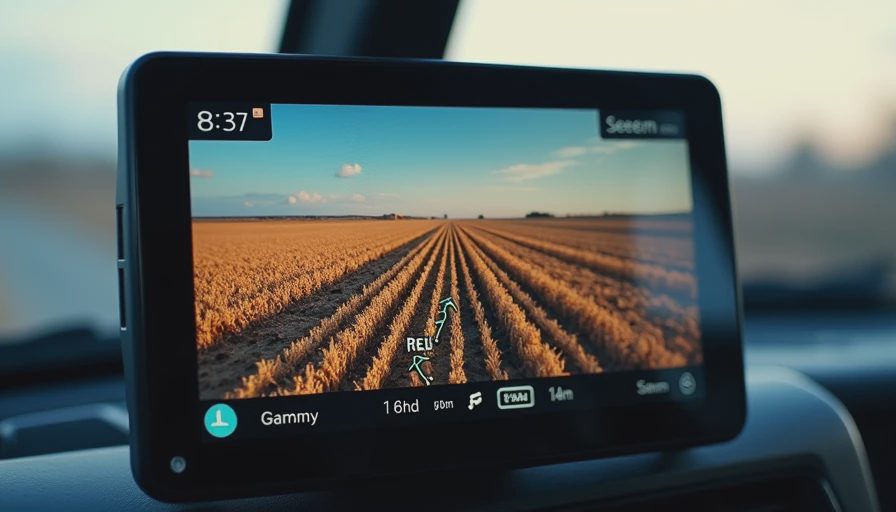
Most systems use a wired or plug-in GPS unit with a cellular connection. The device determines its position, then sends updates to an online dashboard or mobile app. Depending on the model, you may see current location, speed, ignition status, geofence alerts, battery voltage, and a history of stops.
For a ranch fleet, that information has several practical uses. You can confirm whether a service truck reached a remote water tank, see how long a tractor remained at a field, or locate a UTV before sending somebody across 2,000 acres looking for it. A geofence can notify you when a truck leaves the property outside normal hours. On a small farm, even saving one unnecessary 30-mile round trip can help offset a monthly tracking fee.
Do not expect every device to read tractor data. A simple unit may only provide location and ignition status. More advanced equipment can connect through an OBD-II port on a newer pickup or through compatible telematics hardware on certain tractors. Ask the seller exactly what the device supports before buying.
Choosing equipment for trucks, tractors, and UTVs
Start by listing each machine and how it is powered. A Ford F-250, Chevrolet Silverado, or Ram 2500 usually has an accessible electrical system and may accept a plug-in tracker. A compact John Deere, Kubota, or New Holland tractor may need a weather-resistant hardwired unit. UTVs from Polaris, Honda, and Can-Am often require more care because their wiring and battery locations differ by model.
For agricultural equipment, I look for four features first: sealed construction, a stable mounting method, low battery draw, and dependable cellular coverage in the areas where the machine works. A dashboard that looks fancy in town is not useful if the tracker stops reporting near the back pasture. Ask whether the unit uses major cellular networks and whether service continues in rural areas you actually visit.
Installation matters too. A hidden, professionally secured device is harder to unplug or damage than a loose unit hanging beneath the dash. If wiring requires probing circuits, routing through a firewall, or working around a starter battery, take this to a pro. A shorted wire can leave a tractor stranded, and nobody needs that during hay season.
How tracking can lower operating costs
Farm fleet GPS tracking does not magically reduce diesel prices, but it exposes habits that quietly waste money. An idle tractor burning fuel while an operator waits on a delivery can add up over a month. Trip histories can show duplicate drives, unnecessary detours, and equipment sitting at a job after the work is finished.
Use the data in a fair way. If a truck spends 45 minutes idling at the shop, first ask why. It might be powering tools, cooling an engine after heavy work, or waiting safely during a livestock operation. The goal is not to punish a driver for every minute of engine time. The goal is to separate necessary use from waste.
A basic monthly review can include fuel purchases, engine hours, mileage, and completed jobs. For example, if one service pickup travels 1,200 miles each month while another handles similar calls in 800, route planning deserves a closer look. The difference could represent several gallons of fuel, tire wear, oil changes, and lost labor time.
Security, recovery, and after-hours alerts
Farm equipment often sits far from the house, behind a gate, or in an open-sided shed. Locks and cameras still matter, but farm fleet GPS tracking adds another layer. An alert can tell you when a truck moves before sunrise or when a tractor leaves a defined property boundary. That gives you a chance to contact an operator or law enforcement quickly rather than discovering the loss at breakfast.
Do not rely on tracking as an insurance guarantee. A carrier may consider anti-theft equipment when reviewing a policy, but discounts and requirements differ. Comprehensive coverage can help with theft or certain non-collision losses, subject to the policy deductible and limits. Keep serial numbers, photos, purchase records, and maintenance documents in a separate location so a claim is easier to document.
I also recommend labeling equipment with a visible owner name and serial number. A tracker can show where a machine is, while good records help prove that it belongs to you. Put the device itself where it is protected from water, heat, impact, and casual tampering without making maintenance difficult.
Using the data without creating crew problems
A tracking system works best when everyone understands the rules before installation. Tell employees what is being recorded, when monitoring is active, who can see the information, and how long trip history is retained. If a pickup is used for both ranch work and personal errands, write a clear policy rather than creating arguments later.
Keep access limited to people who need it. A shop manager may need service mileage, while a seasonal worker may only need directions to a field. Use strong passwords and two-factor authentication when the provider offers it. Treat location history as operational information, not something to share casually in a group text.
The best conversation is practical: tracking helps locate equipment, schedule service, document routes, and improve safety. It should not become a substitute for supervision or a way to micromanage every stop. Good operators generally appreciate tools that prevent wasted trips and help them get home on time.
A simple installation and review checklist
Before ordering, write down the equipment list, cellular coverage areas, desired alerts, and monthly budget. Many basic systems cost roughly $15 to $40 per month per vehicle after hardware, while advanced commercial telematics can cost more. Compare activation charges, contract terms, replacement policies, and data retention rather than looking only at the advertised monthly rate.
After installation, test each unit in the driveway. Confirm that the app identifies the correct truck or tractor, shows the right time zone, and reports movement. Drive a short route, check the history, and verify that a geofence alert arrives. For hardwired equipment, inspect the fuse protection and cable routing. If you cannot confidently verify the wiring, take it to a pro.
Review results weekly for the first month, then monthly once the system is familiar. Look for repeated idle periods, unusual after-hours movement, missed service intervals, and equipment that spends more time traveling than working. Share useful findings with the crew and adjust alerts so important messages do not get buried.
My shop-floor recommendation
My grandfather taught me this trick — still works 40 years later: measure the problem before buying the solution. Farm fleet GPS tracking is worthwhile when you have scattered equipment, repeated fuel waste, theft concerns, or several people sharing machines. It is less valuable if you own one tractor that stays beside the barn and already know where it is every evening.
Start with the truck or machine that costs the most to lose or runs the most miles. Use a reliable basic tracker for 30 days, learn what information actually helps, and expand only when the results justify it. Companies such as Samsara, Geotab, Verizon Connect, and smaller GPS providers offer different hardware and service models, so compare coverage and support rather than choosing by brand name alone.
A tracker is another tool in the toolbox, like a multimeter or a good torque wrench. Used with maintenance records, safe keys-and-gates practices, and sensible insurance coverage, it can make a spread easier to manage. If you are not sure which unit fits a tractor’s wiring or battery system, take it to a pro. No shame in that.