A guy brought in his truck last week with a trailer full of fencing supplies and a story I hear every spring: the tractor, grain truck, and UTV all needed attention on the same morning. That is where agricultural fleet maintenance scheduling software earns its keep. Instead of relying on a coffee-stained calendar or somebody's memory, you can see which machine is due for service, what parts are needed, and who is handling the job.
I run a family shop in San Antonio and keep tractors, a UTV, and cattle equipment running outside town. Farm maintenance is different from car maintenance because one neglected machine can hold up an entire job. A pickup that misses its oil change is one problem. A tractor that quits during hay season can create an expensive chain reaction.
Why farm fleets need a different maintenance plan
Agricultural fleets rarely sit still. A compact tractor might spend one week pulling a shredder, the next week running a post-hole digger, and the following week moving feed. Attachments change the workload, and dust, heat, mud, vibration, and long idle periods all affect service needs. A standard mileage reminder does not tell the whole story.
Agricultural fleet maintenance scheduling software lets you organize service by engine hours, miles, calendar dates, or seasonal deadlines. That matters because a John Deere tractor may be due for a filter inspection at a certain hour interval, while a Ford F-250 needs attention based on mileage and towing use. A Polaris Ranger may need a pre-season inspection even if it has barely moved since last fall.
The best systems also keep a full service history. You can record oil viscosity, filter part numbers, hydraulic fluid changes, tire rotations, battery replacement, and repair notes. When a machine changes hands between employees, the information stays with the equipment rather than disappearing into one person's notebook.
Shop Trick: Put the next service interval on a tag inside the cab, even if your software tracks it. My grandfather taught me this trick — still works 40 years later. A physical reminder is cheap backup when the cellular signal disappears near a back pasture.
Features that actually help a working farm
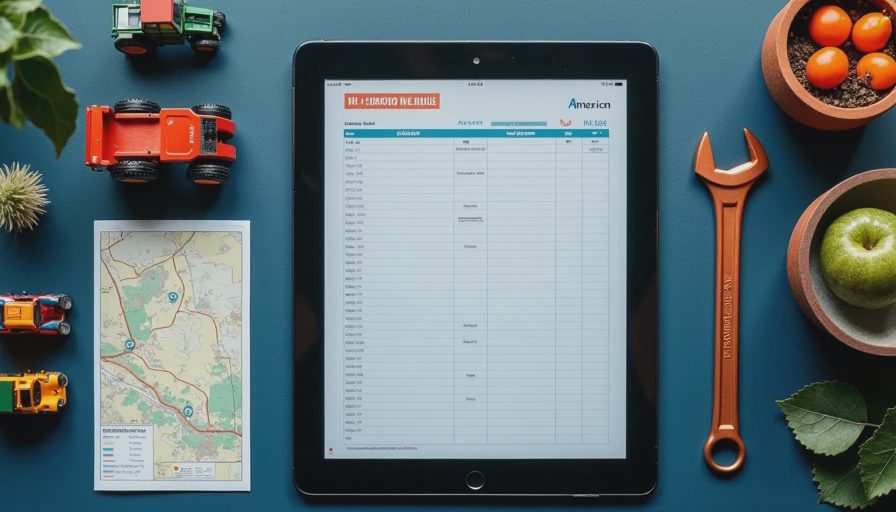
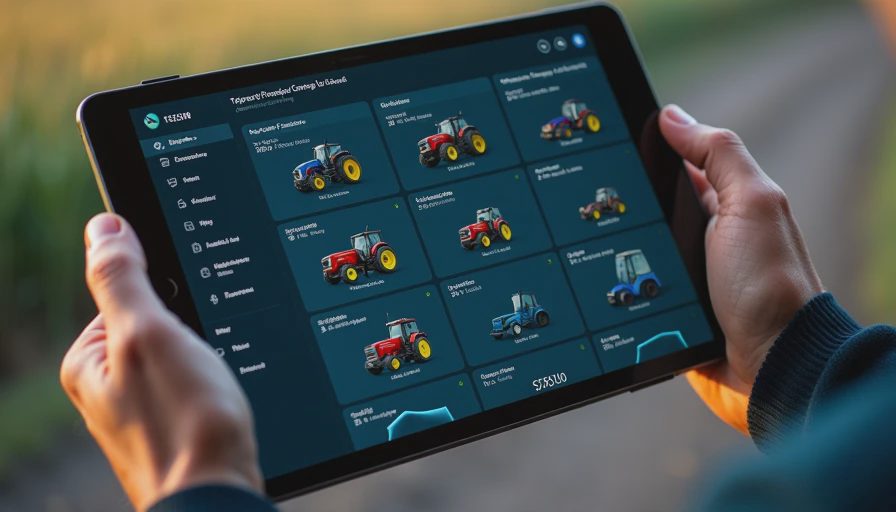
Do not choose a platform because it has the longest feature list. Choose one your crew will open while standing beside a muddy tractor. A useful agricultural fleet maintenance scheduling software platform should provide a simple equipment profile, recurring service reminders, work orders, parts notes, and a mobile view.
Start by creating an equipment record for every machine. Include the make, model, year, serial number, current engine hours, mileage if applicable, tire size, fluid specifications, and location. Add photos of identification plates and unusual fittings. That five-minute setup can save an hour when you are ordering a belt or trying to identify the correct hydraulic filter.
Next, build recurring schedules. Examples include engine oil and filter service every 250 hours, grease checks before heavy use, coolant inspection before summer, battery testing before winter, and tire checks before hauling. Use the manufacturer’s service manual for intervals rather than guessing. If the manual is missing, a dealer or qualified technician can help establish a safe baseline.
Work-order tools are valuable when more than one person touches the fleet. A driver can report a hard start, leaking hose, or warning light from a phone. A manager can assign the job to an employee or outside shop, add a due date, and mark the equipment unavailable. That prevents the familiar problem of three people assuming somebody else called the mechanic.
Build schedules around the farm calendar
A monthly schedule is useful, but a seasonal schedule is better. Before planting, inspect tractors, planters, sprayers, trailers, and fuel systems. Before hay season, check belts, bearings, PTO shields, hydraulic hoses, and cooling systems. Before winter, test batteries, inspect antifreeze protection, and protect equipment from moisture.
Agricultural fleet maintenance scheduling software can turn those seasonal routines into repeatable checklists. For example, a hay equipment checklist might include greasing every specified fitting, checking guards, inspecting driveline shields, verifying tire pressure, and looking for cracked welds. A truck checklist might cover trailer brakes, lights, hitch hardware, engine fluids, and tie-down equipment.
I like scheduling a buffer before the busy period. If hay cutting starts May 1, do not schedule every inspection for April 30. Give yourself two or three weeks to find a worn bearing and get the part. Rural suppliers do a good job, but a specialty belt or hydraulic component may still take days to arrive.
The system should also show overdue work clearly. A red reminder is not a repair, but it is harder to ignore than a note buried under receipts. Set a short weekly review, perhaps every Monday morning before equipment leaves the yard. Ten minutes with the fleet list can prevent a Saturday-night breakdown.
Controlling costs without cutting corners
Software does not replace judgment, but it makes waste easier to spot. When you compare service history, you may discover that one tractor is consuming filters unusually quickly or that a truck is returning for the same electrical complaint. That information helps you decide whether to repair, inspect deeper, or retire the machine.
Track parts and labor separately. A routine tractor service might involve $80 to $200 in fluids and filters, while a hydraulic repair can run several hundred dollars before labor. A commercial diesel truck repair can climb much higher. Those ranges are not quotes, but they show why accurate records matter when deciding between preventive work and emergency work.
You can also use maintenance history when speaking with an independent shop, a dealer, or a fleet insurer. A clear record of inspections and completed repairs gives the technician a better starting point. It can reduce diagnostic time, especially when the problem appears intermittently.
Do not postpone safety repairs because a machine still starts. PTO guards, brakes, steering components, loader support hardware, and damaged hydraulic hoses deserve immediate attention. Shut the equipment down, lower raised implements, remove the key, and follow the manufacturer’s lockout guidance before inspecting it. If you are not sure, take it to a pro. No shame in that.
Choosing and implementing the right system
Compare tools by the work your farm actually does. A small ranch with six machines may need a low-cost app with reminders and service notes. A larger operation with several drivers may need permissions, parts inventory, inspection forms, and reports. Agricultural fleet maintenance scheduling software should be easy enough for a ranch hand to use with work gloves nearby and clear enough for an owner to review from a laptop.
Ask whether the platform supports hour-meter readings, offline access, photo attachments, recurring tasks, exportable records, and multiple equipment types. Check the pricing structure as well. Some products charge per user, while others charge per asset or offer a flat monthly plan. A $25 or $50 monthly tool can pay for itself if it prevents one missed filter service; a costly platform is not worthwhile if nobody enters the data.
Start small. Add the five machines that matter most, create three recurring tasks for each, and test the workflow for a month. Then add trailers, attachments, trucks, and less-used equipment. Hold a short training session and define who records hours, who approves repairs, and who closes a work order.
A simple weekly routine that works
On Monday, review overdue tasks and equipment needed during the next seven days. On Wednesday, confirm parts and outside appointments. On Friday, enter completed work, update engine hours, and photograph any developing issue. Once a month, review repair costs by machine and look for repeat failures.
That routine turns agricultural fleet maintenance scheduling software into a working habit instead of another subscription. It also gives your family shop or local mechanic useful information before the equipment arrives. We can spend time fixing the problem rather than guessing what happened three months ago.
The goal is not a perfect spreadsheet. The goal is a tractor that starts when the field is ready, a truck that brings feed home safely, and a UTV that does not leave you walking back across the pasture. Pick a system your people will use, enter honest readings, schedule work before the rush, and protect the machines that earn their keep.