Maximizing Agricultural Uptime Through Strategic Equipment Maintenance in Colorado
The Big Picture
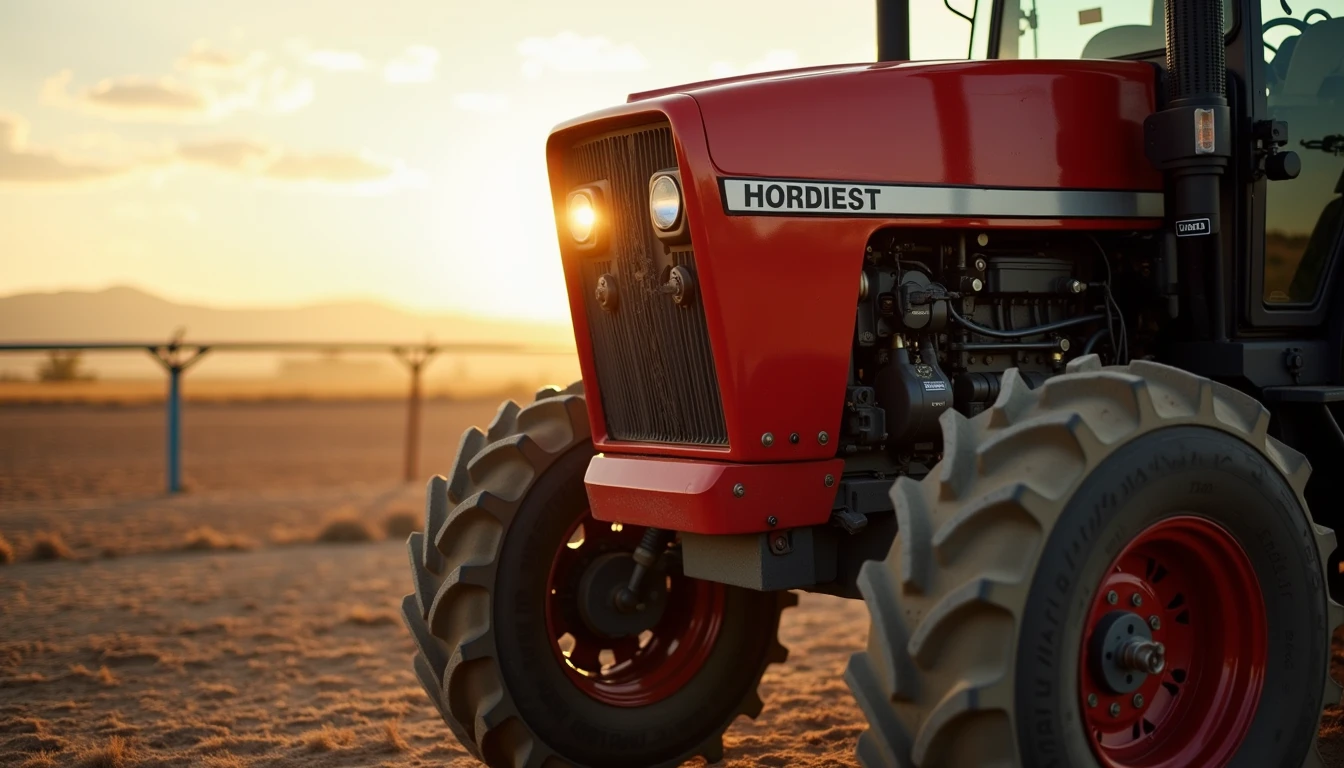
Across Colorado's agricultural and rural landscapes, operational continuity relies heavily on the mechanical precision of heavy-duty equipment. Farming, ranching, and construction sectors utilize tractors, skid steers, harvesters, balers, and compact loaders as essential assets for soil preparation, crop harvesting, livestock care, and site development. Equipment performance directly affects operational uptime, cost-efficiency, and yield reliability. During time-sensitive seasons such as planting, calving, or concrete pours, mechanical failures can result in critical delays. Local service providers play a pivotal role in sustaining uptime, helping operators minimize disruptions and avoid critical delays during peak workload periods. Regular maintenance and timely repair services ensure that hydraulic systems, drive trains, and engine components function within manufacturer specifications.
Key Details
Farm equipment endures significant wear due to the demanding nature of agricultural work. Industry data indicates specific failure points that maintenance supervisors must monitor. Engine issues are prevalent, with tractors and combines often facing problems like overheating, power loss, or starting difficulties. Regular oil changes and filter replacements can mitigate these issues. Hydraulic system failures are another critical concern; systems essential for operating attachments can develop leaks or lose pressure, requiring prompt repair to avoid downtime. Electrical problems also disrupt operations, as modern equipment relies on electrical systems for controls and sensors. Faulty wiring or malfunctioning sensors need quick fixes. Finally, wear on moving parts such as belts, chains, and bearings necessitates regular inspection and replacement.
In Northern Colorado, specialized equipment like sugar beet harvesters and irrigation systems are vital. Sugar beet harvesters require regular checks on digging and lifting mechanisms to handle crops efficiently. Similarly, irrigation equipment needs routine inspections to prevent water loss, crucial in the semi-arid high plains climate. Repair technicians specialize in diagnosing and servicing complex systems, from sugar beet harvester lifter arms to worn PTO couplers on irrigation pumps, ensuring critical equipment runs at peak efficiency.
Operational Impact
Regular maintenance is key to preventing unexpected breakdowns and extending the lifespan of farm equipment. By adhering to a scheduled maintenance plan, farmers can identify potential issues early, saving time and money. Proactive maintenance is critical for avoiding costly repairs. Service providers offer customized maintenance schedules tailored to equipment needs, utilizing certified technicians and genuine OEM parts to ensure durability and performance.
Essential maintenance tasks to keep machinery in top shape include oil and filter changes, following manufacturer guidelines typically every 100–150 hours for tractors to maintain engine health. Tire inspections check pressure and wear to ensure safe, efficient operation. Air filter maintenance optimizes engine performance and fuel efficiency. Lubrication reduces friction and prevents wear on moving parts. Hydraulic system checks inspect lines and connections for leaks and maintain fluid levels. Safety feature verification ensures lights, brakes, and guards function properly for safe operation. Farm equipment requires regular maintenance to perform at its best, and professional services ensure minimal downtime.
What to Watch
Fleet managers must account for regional environmental factors when planning maintenance schedules. In the semi-arid high plains climate, irrigation equipment faces unique stressors regarding water loss prevention. Seasonal peaks drive demand; during planting or harvest, equipment utilization rates spike, increasing the probability of wear on moving parts. Operators should monitor engine temperatures closely during these high-load periods to prevent overheating. Additionally, as equipment ages, electrical systems become more prone to sensor malfunction, requiring heightened diagnostic attention. Regulatory compliance regarding safety features, including lights, brakes, and guards, must remain a priority to ensure safe operation across job sites.
Bottom Line
To maintain cost-efficiency and yield reliability, fleet operators should prioritize scheduled maintenance over reactive repairs. Adhering to manufacturer guidelines, such as oil changes every 100–150 hours for tractors, is essential for engine health. Utilizing certified technicians and genuine OEM parts ensures durability and performance. Specialized attention should be given to high-value assets like sugar beet harvesters and irrigation systems, particularly regarding digging mechanisms and PTO couplers. By verifying safety features and monitoring hydraulic pressure, managers can protect their total cost of ownership. Minimizing disruptions during peak workload periods requires a proactive approach to diagnostics and service intervals.